Akagera Boat Safari: Lake Ihema, Wildlife & What to Expect in 2026–2027
October 22, 2026Clementine
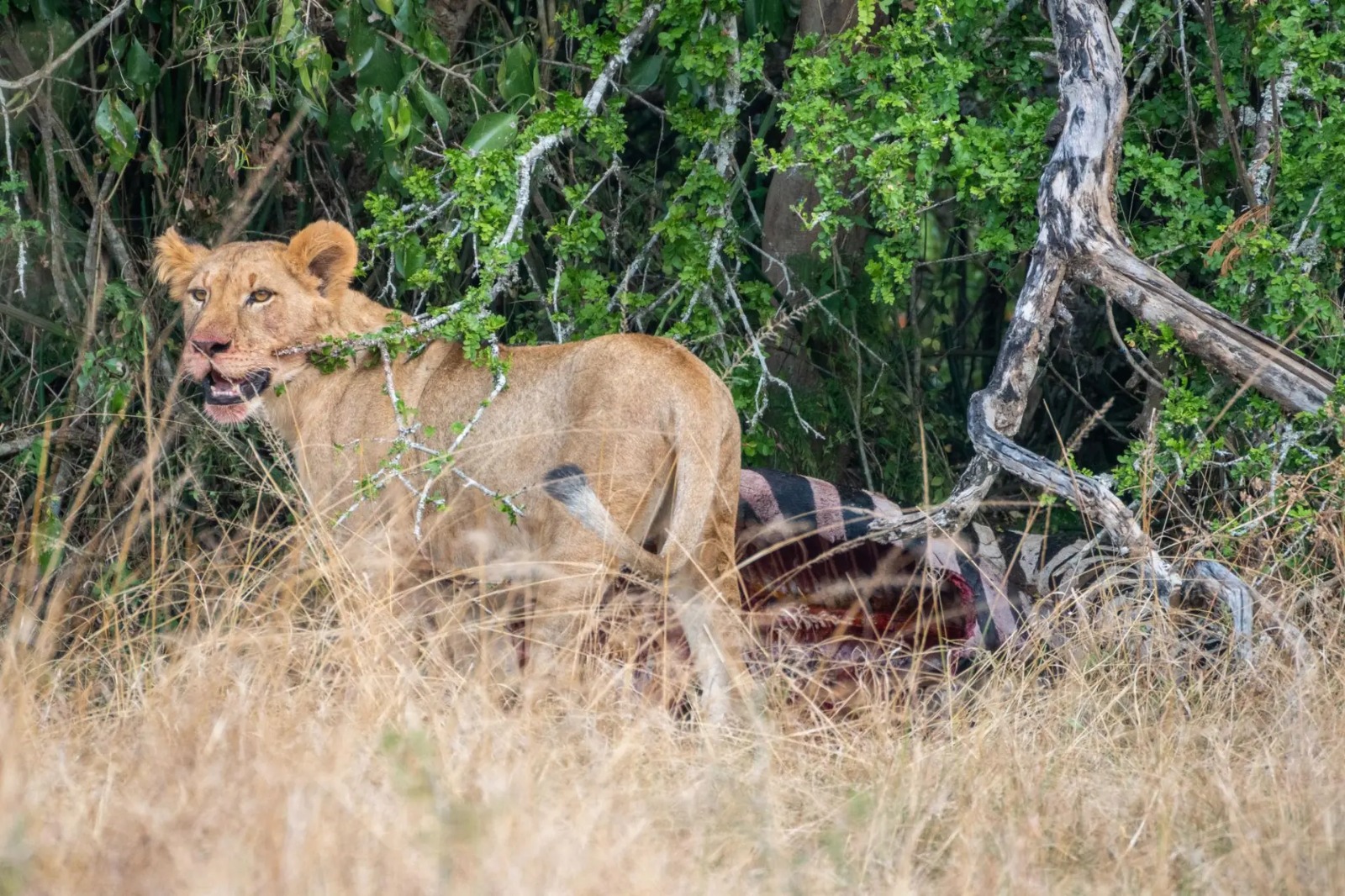
Discover Rwanda’s remarkable savannah wilderness through an unforgettable Akagera boat safari on Lake Ihema, where hippos rise through the water, crocodiles bask along the shoreline, and African fish eagles soar above papyrus wetlands. Beyond the lake, Akagera National Park offers exciting game drives, Big Five encounters, beautiful landscapes, birdwatching, and a conservation story that makes it one of Rwanda’s most rewarding wildlife destinations.
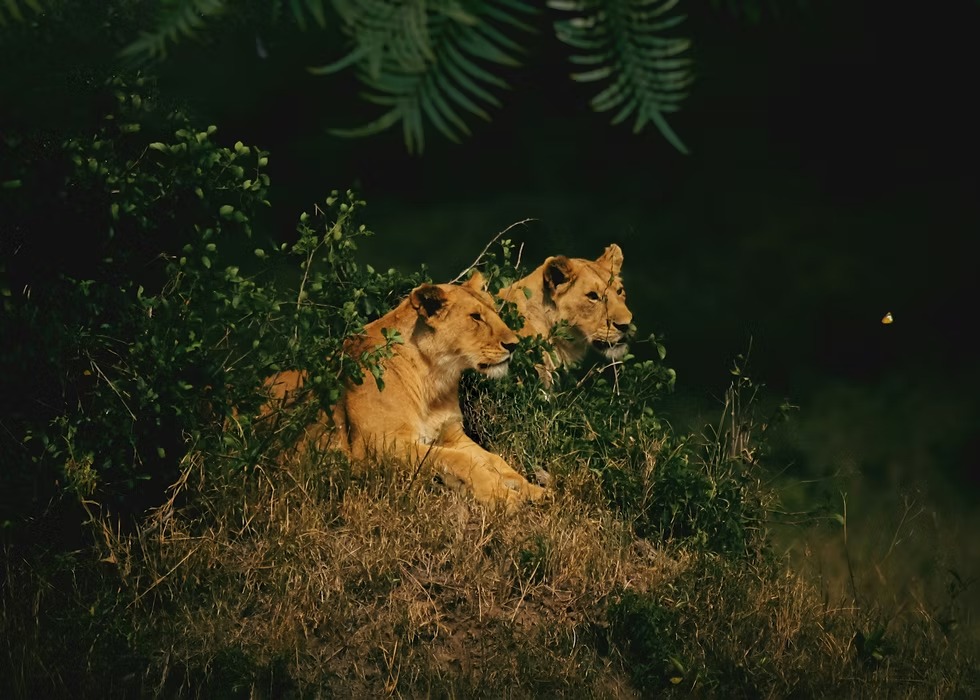
For travellers planning an African safari in 2026–2027, Akagera offers a distinctive combination of land and water adventures, accessible travel from Kigali, diverse wildlife, and meaningful conservation experiences. Whether you are visiting Rwanda for the first time, planning a family holiday, or looking for a memorable wildlife photography trip, this extraordinary park deserves a place on your itinerary.
Travel with Seek Wild Africa to explore Akagera through a carefully planned safari that combines wildlife viewing, a Lake Ihema boat excursion, comfortable transportation, and local expertise.
Why Visit Akagera National Park in 2026–2027?
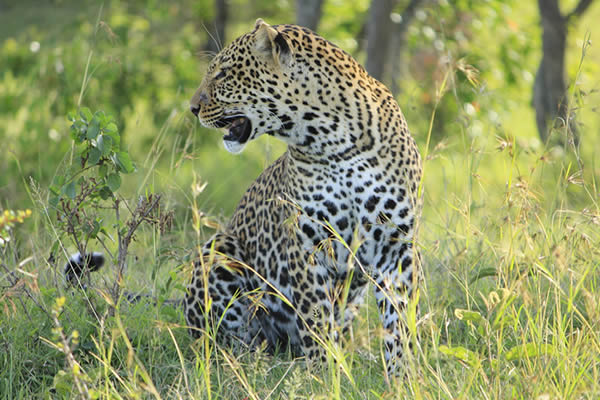
Akagera National Park is Rwanda’s principal savannah safari destination, located in the country's eastern region along the border with Tanzania. Its landscape combines open grasslands, rolling hills, woodland, lakes, rivers, and extensive papyrus wetlands.
This remarkable variety creates habitats for large mammals, predators, antelopes, and hundreds of bird species. The park's water systems are especially important because they support aquatic wildlife while adding another dimension to the traditional African safari.
Akagera is particularly attractive to travellers who want to experience the African wilderness without travelling far from a major city. Kigali provides a convenient starting point for a day trip, while overnight stays allow visitors to explore more of the park at a relaxed pace.
A Safari Destination With More Than One Experience
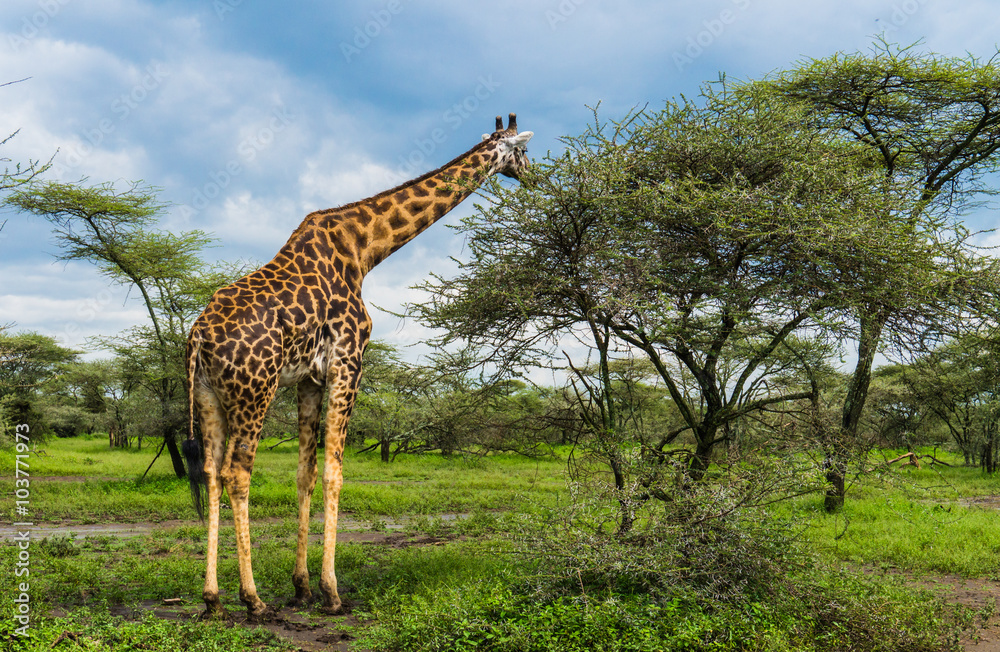
Akagera is not simply a place to search for animals from a vehicle. It is a destination where different experiences reveal different parts of the ecosystem.
- Akagera boat safari: Explore Lake Ihema and observe hippos, crocodiles, and waterbirds.
- Game drives: Search for lions, elephants, buffaloes, rhinos, giraffes, zebras, and antelopes.
- Birdwatching: Discover waterbirds, raptors, and species associated with papyrus wetlands.
- Fishing: Enjoy a permitted fishing experience at Lake Shakani.
- Conservation experiences: Learn about park management, wildlife protection, and the people working to protect this landscape.
- Scenic photography: Capture sunrise, golden-hour light, open plains, and lakeside scenery.
The combination of these experiences makes Akagera a particularly rewarding destination for travellers who want more than a conventional game drive.
Akagera National Park’s History, Resilience and Conservation Success
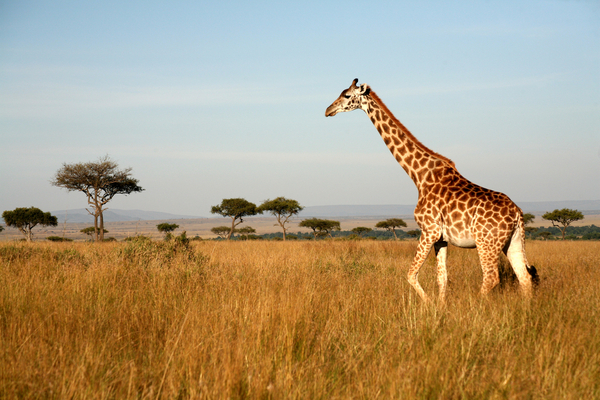
One of the strongest reasons to visit Akagera in 2026–2027 is the story behind its recovery.
Established in 1934, Akagera has experienced major changes throughout its history. Human pressures, habitat loss, and the difficult years surrounding the 1994 Genocide against the Tutsi affected wildlife populations and the wider conservation landscape. The park faced serious challenges, including the loss of habitat and pressure on wildlife from human activity.
However, Akagera's story did not end with these difficulties.
In 2010, African Parks began managing the park in partnership with the Rwanda Development Board. This partnership strengthened park management, wildlife protection, tourism operations, and community engagement.
How Akagera Rebuilt Its Wildlife Heritage
Several major conservation developments have helped transform the park.
1. Stronger protection and management
Improved law enforcement, monitoring, and park operations have supported wildlife protection and helped establish a more organized conservation environment.
2. The return of lions
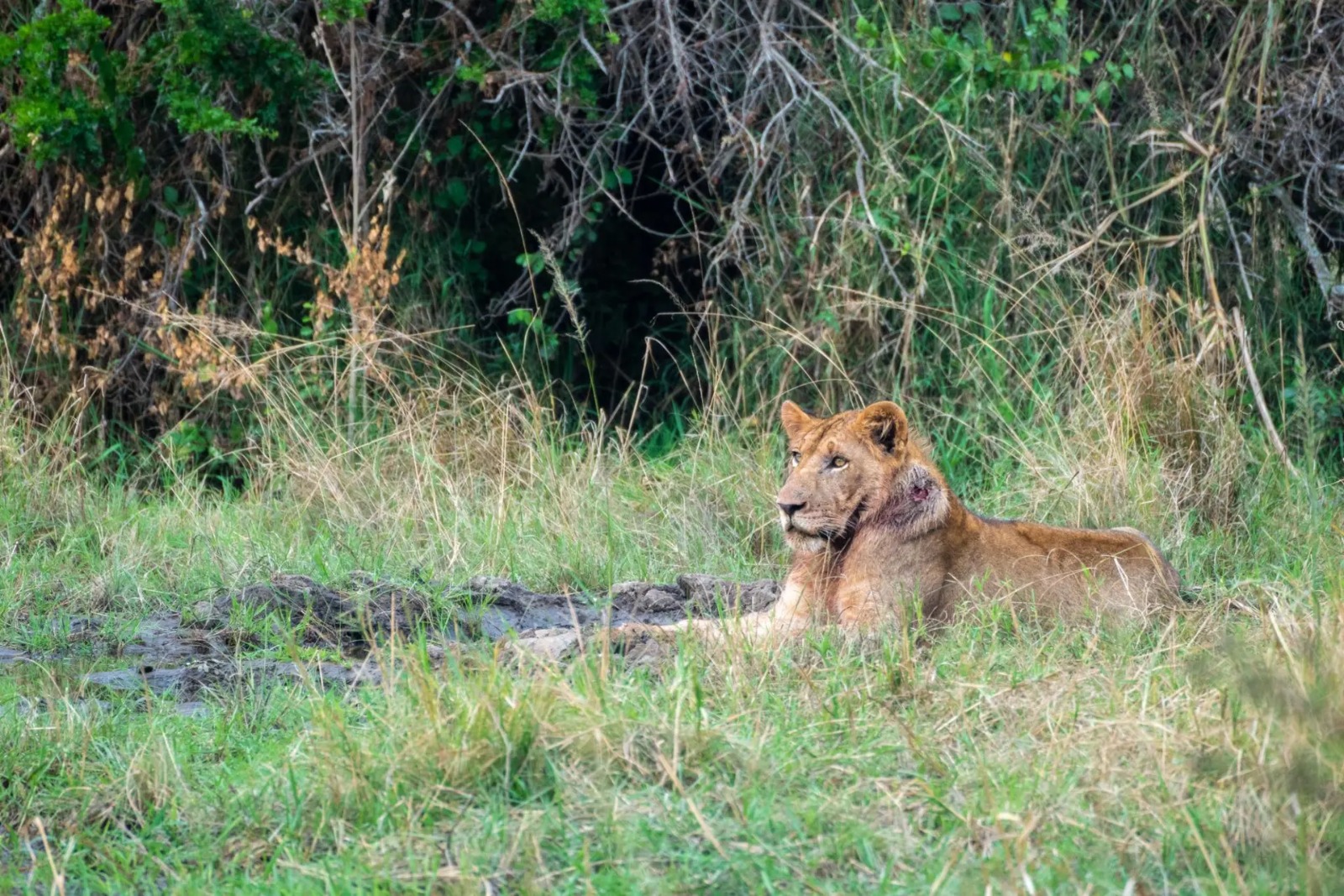
Lions were reintroduced to Akagera in 2015, restoring an important predator to the ecosystem after years of absence.
3. The return of black rhinos
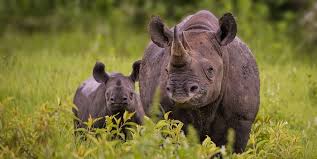
Black rhinos were reintroduced in 2017, followed by a further introduction of eastern black rhinos in 2019. These efforts strengthened the park's importance as a protected home for threatened wildlife.
4. Continued wildlife monitoring
Wildlife monitoring, habitat management, and protection measures help managers understand animal movements and respond to conservation challenges.
5. Community participation
Conservation is more sustainable when surrounding communities benefit from the park. Tourism, employment, community partnerships, and revenue-sharing initiatives help connect wildlife protection with local livelihoods.
Why This History Matters to Travellers
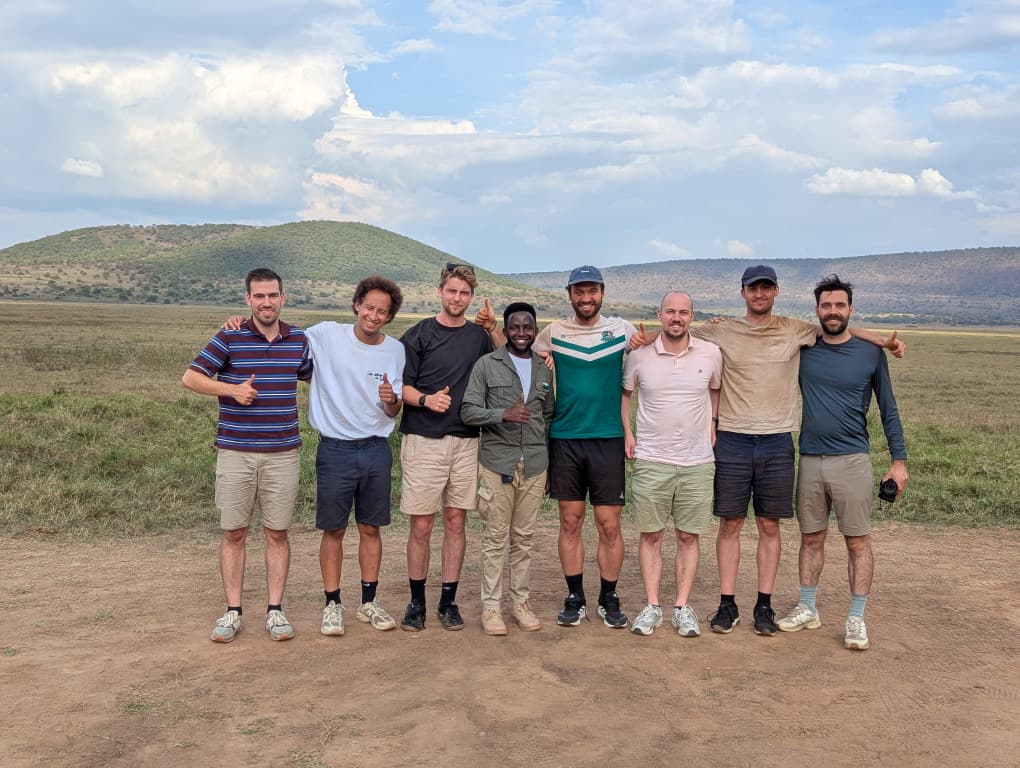
When visitors choose an Akagera safari, they experience more than beautiful scenery and exciting animal sightings. They also visit a landscape that demonstrates how long-term management and cooperation can support the recovery of wildlife and protected habitats.
The park's recovery does not mean conservation challenges have disappeared. Instead, it demonstrates the importance of continuing to protect wildlife, manage habitats, and work with neighbouring communities.
For travellers interested in responsible tourism, Akagera offers a meaningful opportunity to experience wildlife while supporting Rwanda's wider conservation efforts.
Akagera Boat Safari: Discover Lake Ihema
Lake Ihema is one of the most memorable highlights of Akagera National Park. Located in the eastern part of the park, it is the largest lake within Akagera and forms part of a wider network of lakes, wetlands, rivers, and floodplains.
A boat safari provides a different perspective from a vehicle-based game drive. Instead of travelling along dusty tracks across the savannah, visitors move across the water while observing wildlife along the shoreline and among the reeds.
The experience can be peaceful, exciting, and rewarding for photographers and nature lovers alike.
What Can You See on a Lake Ihema Boat Safari?
Hippos
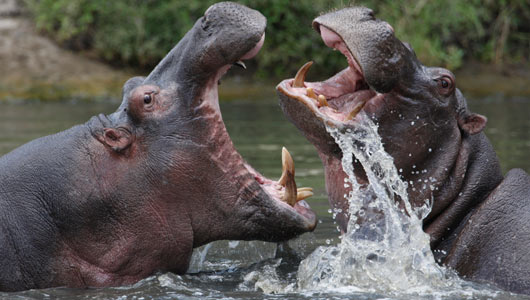
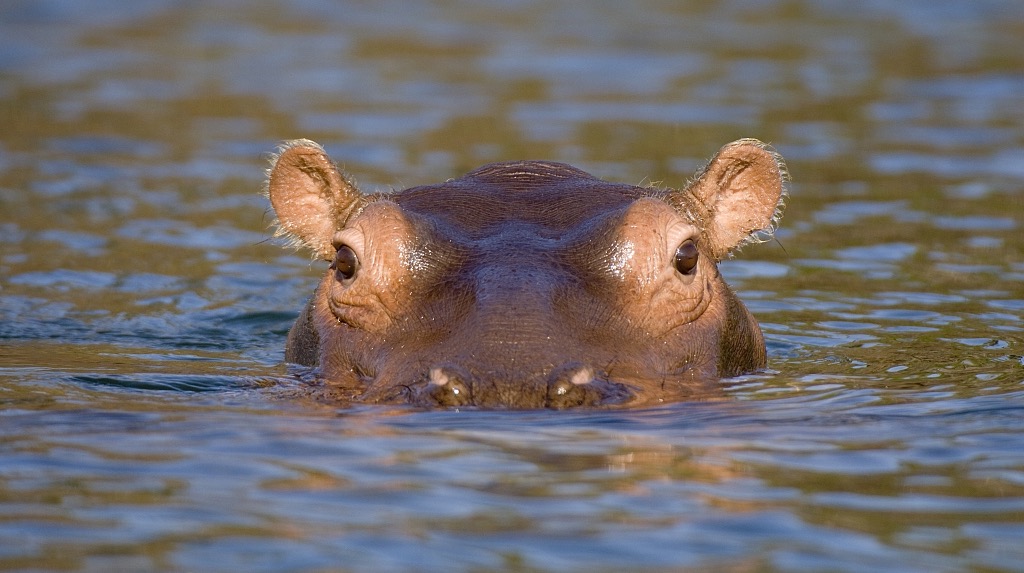
Hippos are among the most recognizable animals on Lake Ihema. They spend much of their time in the water to keep cool and may be seen resting in groups, surfacing to breathe, or moving between the lake and nearby feeding areas.
Observing these powerful animals from a guided boat provides an excellent opportunity to appreciate their behaviour while maintaining a safe distance.
Nile crocodiles

Nile crocodiles may be seen resting on muddy banks or lying almost motionless near the water's edge. Their ability to blend into their surroundings makes them fascinating subjects for wildlife photography.
Visitors should never approach crocodiles or attempt to attract their attention.
African fish eagles
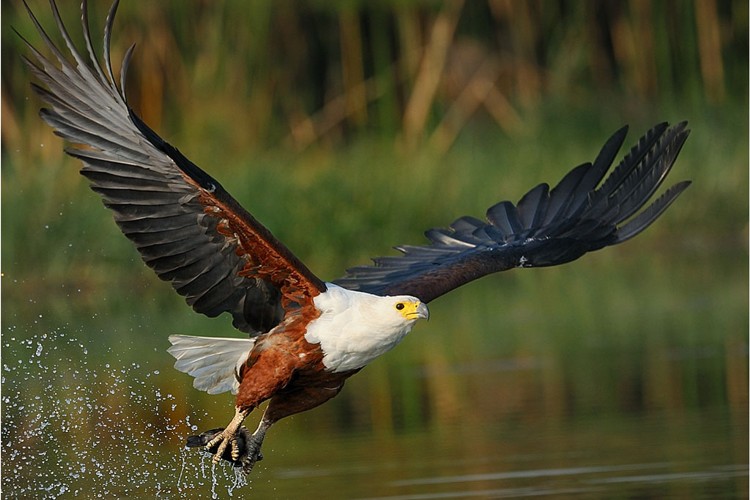
Listen for the distinctive calls of African fish eagles and watch for these impressive birds perched near the water or flying overhead. Their presence adds to the atmosphere of the lake.
Kingfishers, herons and other waterbirds
The papyrus-lined shorelines and shallow waters attract a variety of birds. Depending on the season, location, and luck, visitors may observe kingfishers, herons, egrets, and other wetland species.
Occasional shoreline wildlife
Wildlife sightings vary, but animals may sometimes approach the lake to drink or move along the shore. Elephants and other mammals can occasionally provide remarkable viewing opportunities from the water.
Every boat safari is different. Animals are wild, and no particular sighting can be guaranteed.
What Makes the Boat Safari Special?
The beauty of a Lake Ihema boat safari lies in the details: ripples moving across the water, birds calling from the reeds, hippos surfacing nearby, and the changing colours of the sky.
It also gives visitors a clearer understanding of how water supports the wider Akagera ecosystem. Lakes and wetlands are not simply scenic features; they provide essential habitats for wildlife and contribute to the ecological diversity that makes the park special.
For travellers with limited time, the boat safari is an excellent way to complement a game drive. For birdwatchers and photographers, it can become one of the most memorable parts of the entire Rwanda safari.
What to Expect During an Akagera Boat Safari in 2026–2027
A typical guided boat excursion includes time on the lake with opportunities to observe wildlife, learn about the wetland environment, and take photographs.
Visitors should expect a nature experience rather than a guaranteed animal show. Sightings depend on wildlife movements, weather, water conditions, and the time of day.
Scheduled boat excursions have commonly operated at 7:30 a.m., 9:00 a.m., 3:00 p.m., and 4:30 p.m. Availability, departure times, and private-trip arrangements should be confirmed with the park before travel.
For the best experience:
- Bring binoculars for observing distant birds and animals.
- Carry a camera with a zoom lens if wildlife photography is important to you.
- Wear neutral, comfortable clothing and sun protection.
- Follow the guide's safety instructions throughout the trip.
- Keep your hands, equipment, and other belongings inside the boat as instructed.
- Avoid loud noises or any attempt to feed or disturb wildlife.
The afternoon excursion can be particularly attractive for warm light and scenic photography, although early departures may also offer excellent birdwatching opportunities.
What Makes Akagera Different From the Serengeti and Maasai Mara?
The Serengeti in Tanzania and Maasai Mara in Kenya are world-famous for their vast savannah landscapes and the Great Migration. The annual movement of wildebeest and zebras is an extraordinary natural spectacle, and these destinations are rightly celebrated for it.
Akagera offers a different kind of African safari experience. Its value should not be measured by whether it replicates the Great Migration, but by the unique combination of wildlife, wetlands, conservation, accessibility, and activities available in Rwanda.
A Remarkable Combination of Savannah and Wetlands
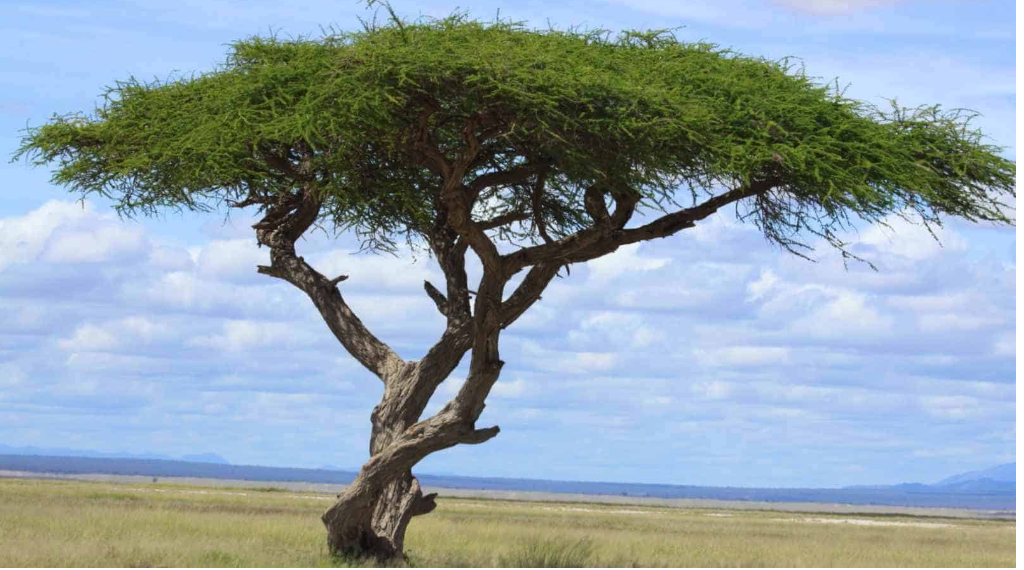
While the Serengeti and Maasai Mara are particularly famous for open grasslands and migration herds, Akagera combines savannah with lakes, papyrus swamps, woodland, and river systems.
This landscape diversity gives visitors the opportunity to experience wildlife from both land and water.
A Big Five Safari in Rwanda
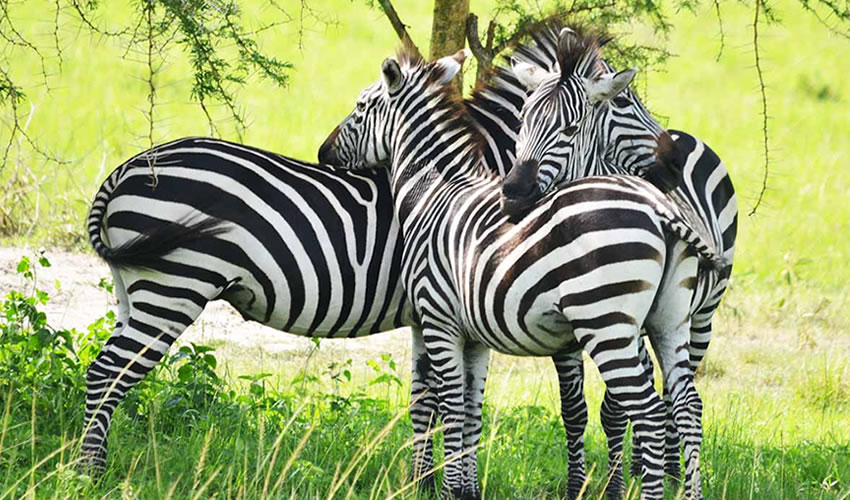
Akagera is home to the African Big Five: lions, leopards, elephants, rhinos, and buffaloes.
Seeing all five on a single trip is never guaranteed, but the opportunity to search for these animals in Rwanda's principal savannah park is a major attraction.
A Different Kind of Wildlife Adventure
The Lake Ihema boat safari is a defining feature of Akagera. Visitors can combine vehicle-based wildlife viewing with a guided excursion across the lake, where hippos, crocodiles, and waterbirds create a completely different experience.
An Inspiring Conservation Story
Akagera's recovery, wildlife reintroductions, and ongoing management make it an important destination for travellers interested in conservation as well as wildlife.
Convenient Access From Kigali
Akagera is close enough to Kigali for a carefully organized day safari, making it attractive to travellers with limited time in Rwanda.
Which Park Should You Choose?
Choose the Serengeti or Maasai Mara if witnessing the Great Migration is your principal priority. Choose Akagera if you want to combine a Big Five search, lakeside scenery, a boat safari, birdwatching, and Rwanda's conservation story in one destination.
These parks offer different strengths, and each deserves appreciation for its own natural and ecological character.
Akagera Wildlife: Animals to Look For on Safari
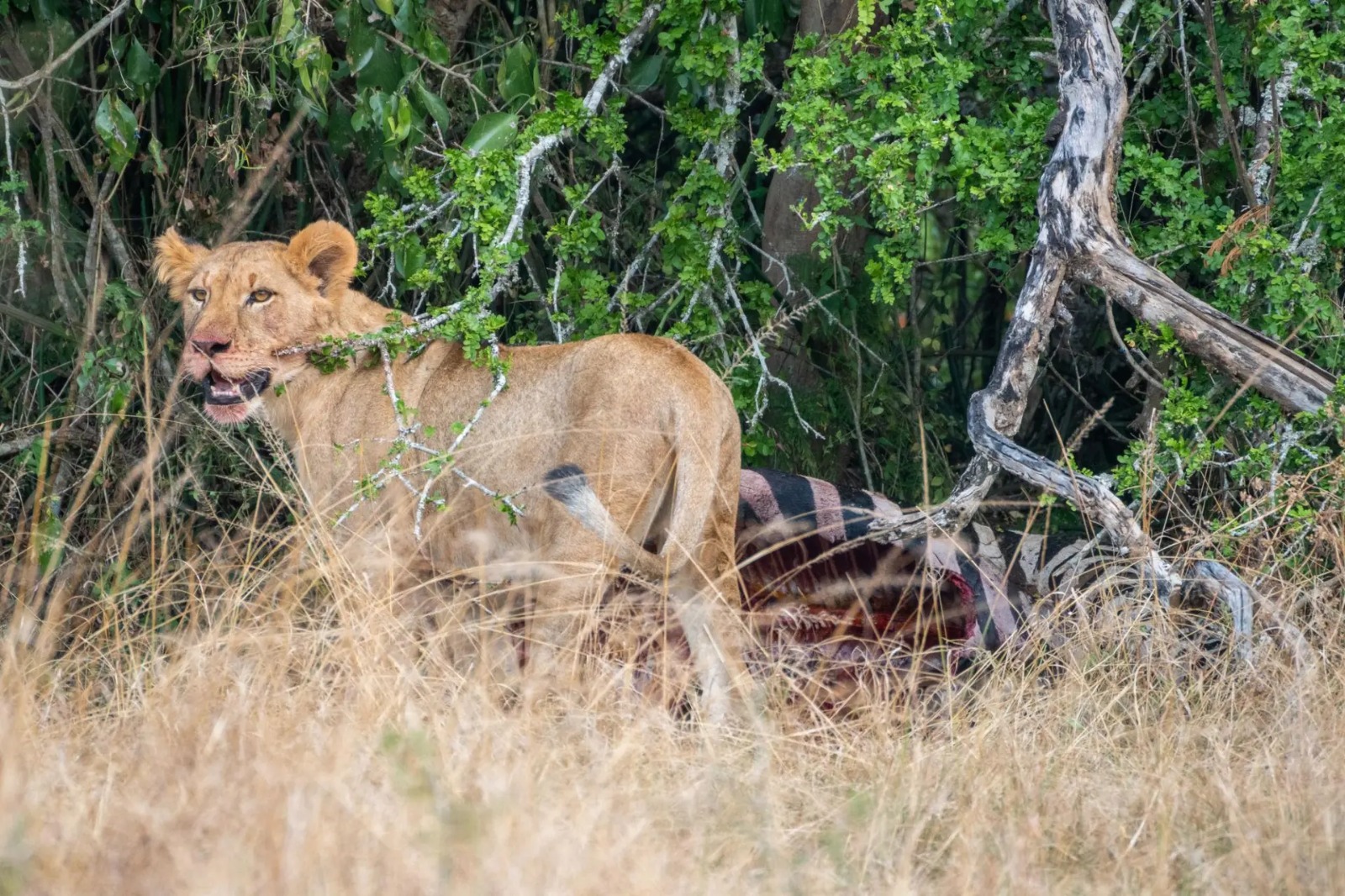
Akagera's wildlife is one of the main reasons travellers visit the park. The animals you encounter depend on the areas explored, the season, the time of day, and the movements of wildlife.
The Big Five
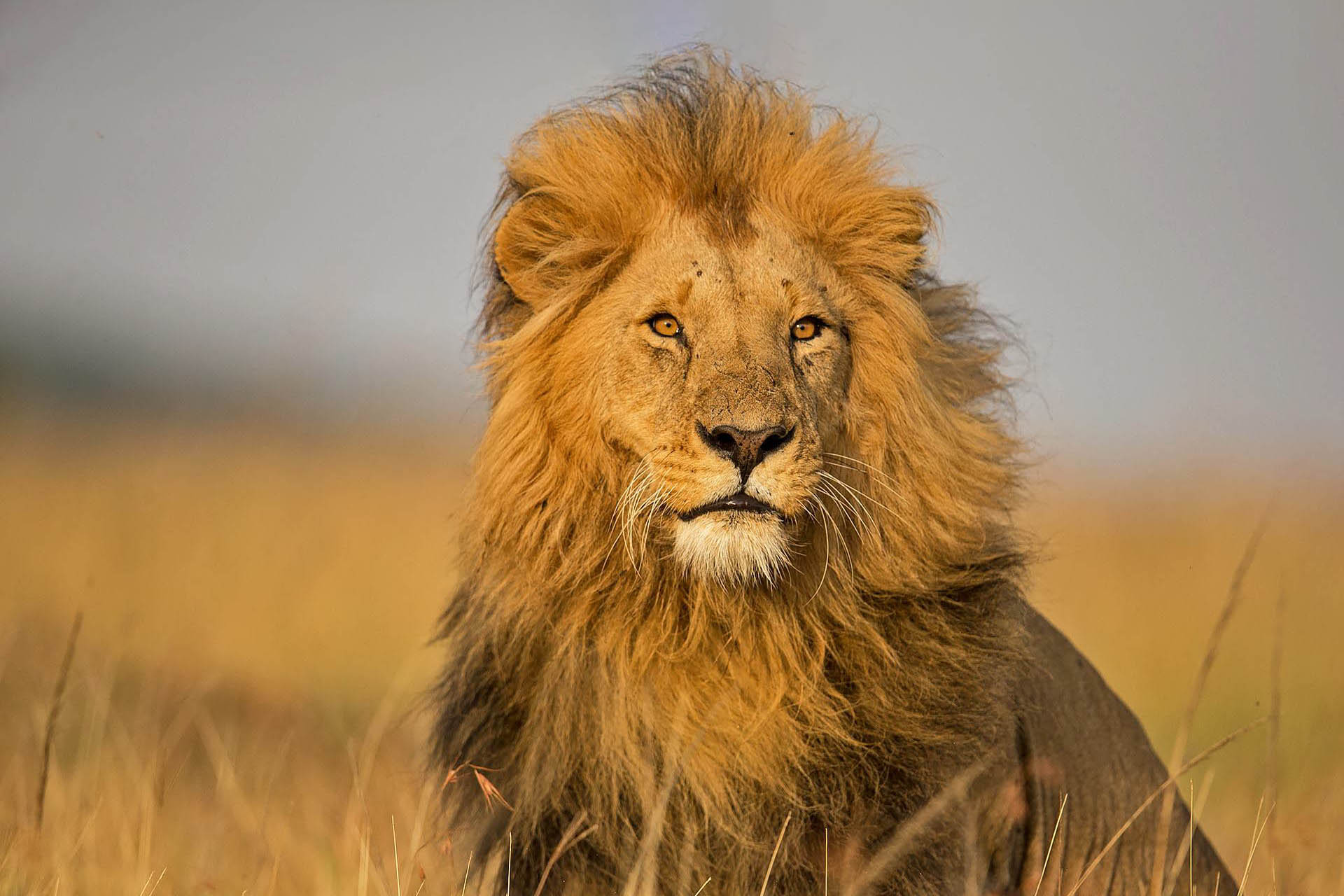
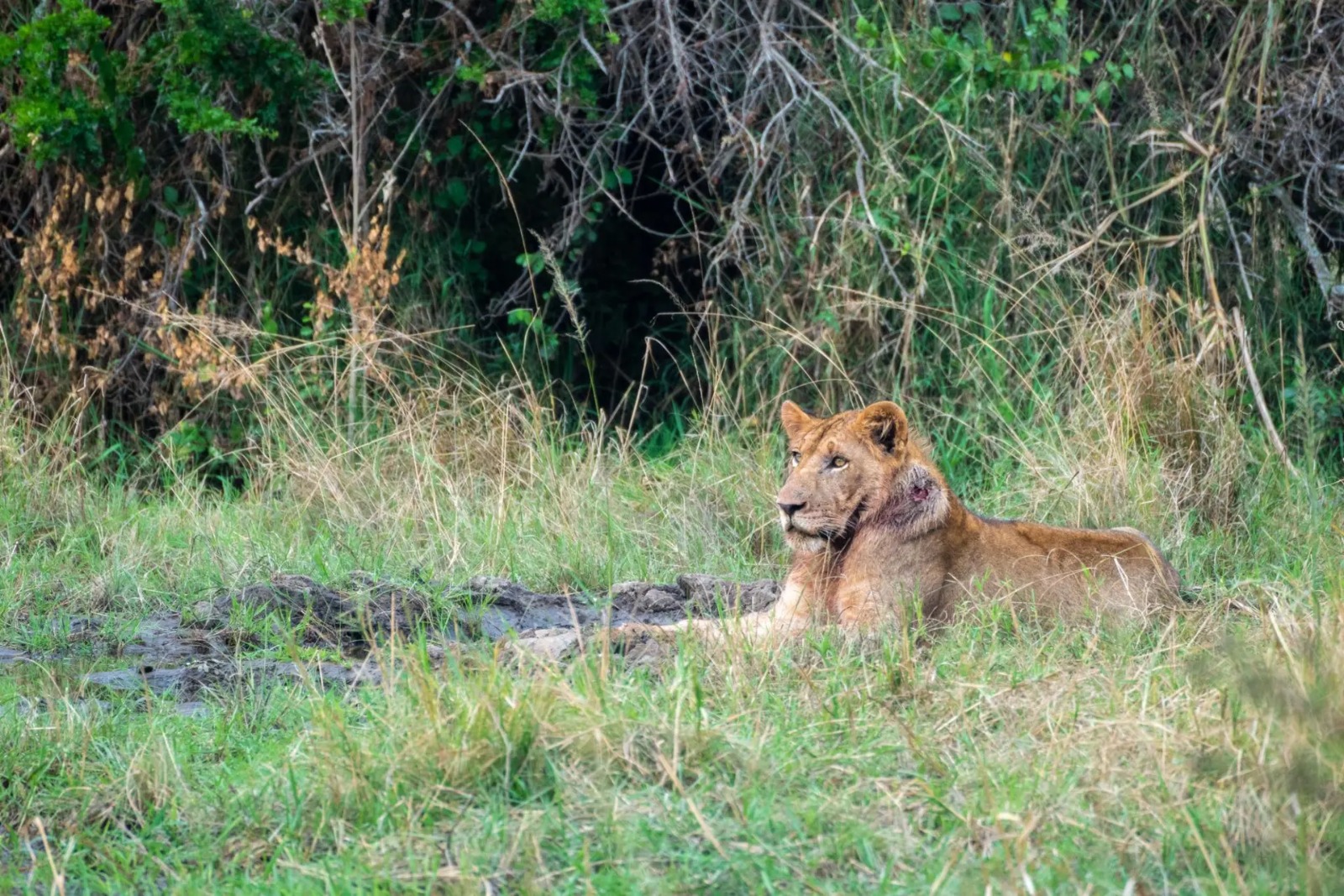
- Lions: Powerful predators that may be spotted resting or moving through suitable habitats.
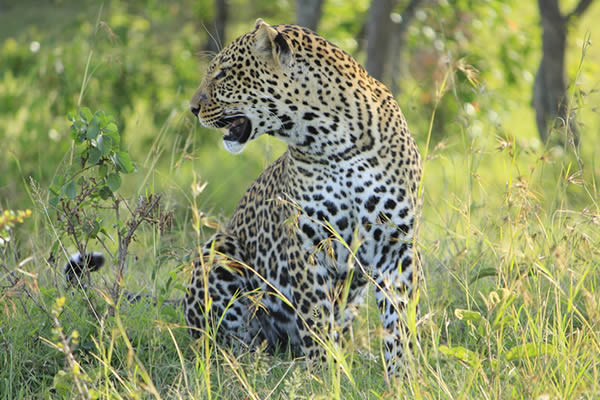
- Leopards: Elusive and often difficult to see, particularly in thick vegetation.
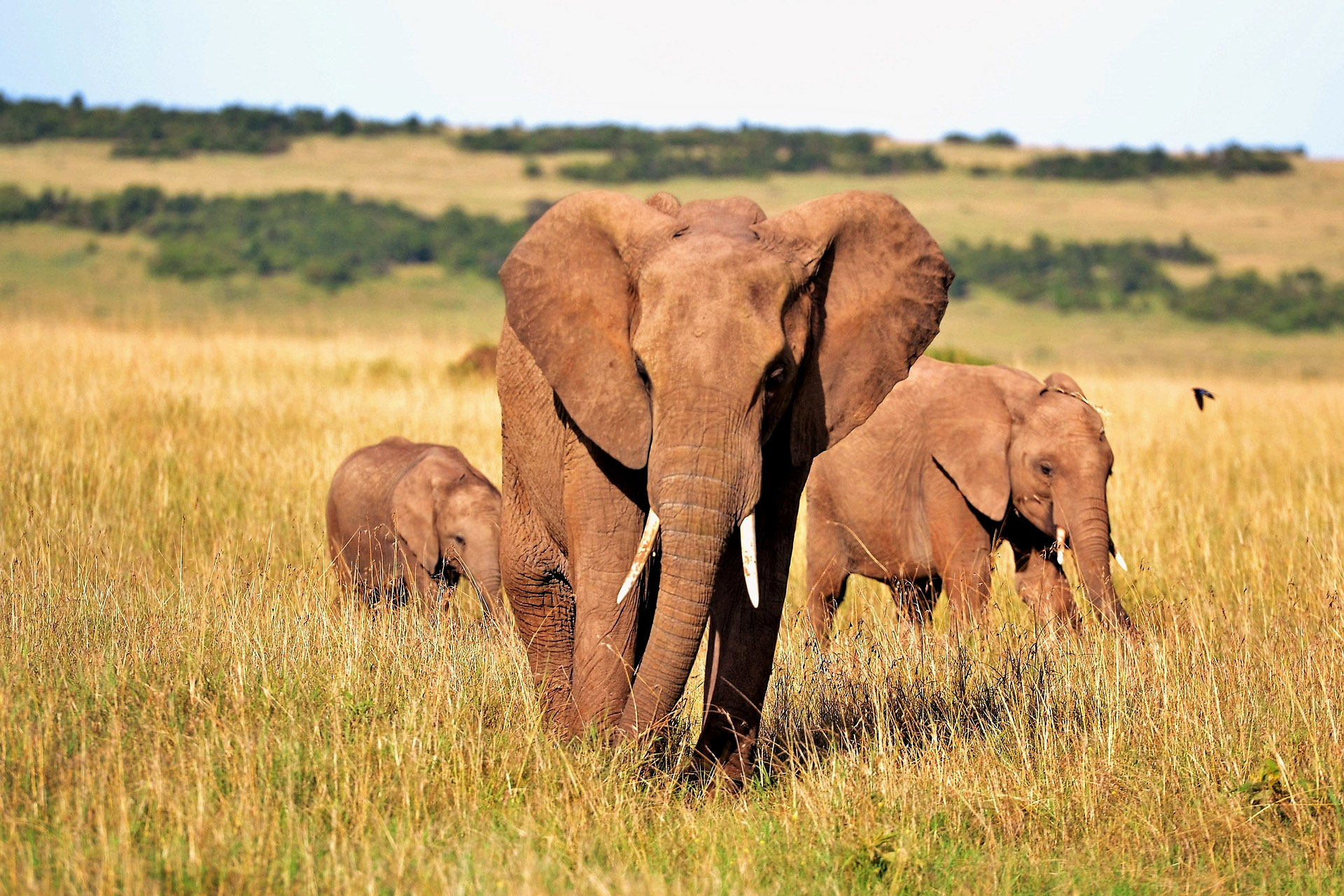
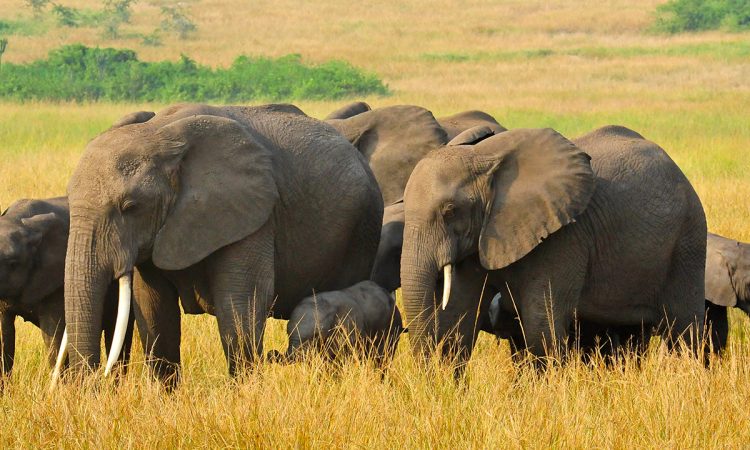
- African elephants: Large, intelligent mammals frequently associated with woodland and water sources.
- Black rhinos: Important conservation species that visitors may be fortunate to encounter.
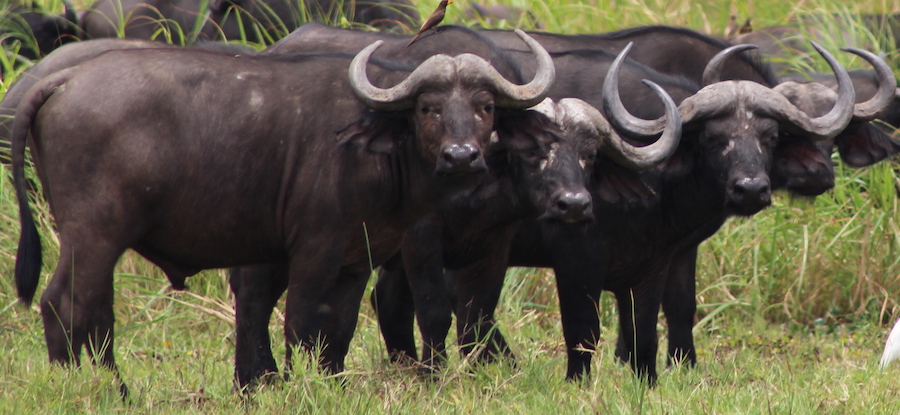
- African buffaloes: Often seen in groups grazing across open areas or near vegetation.
Other Mammals
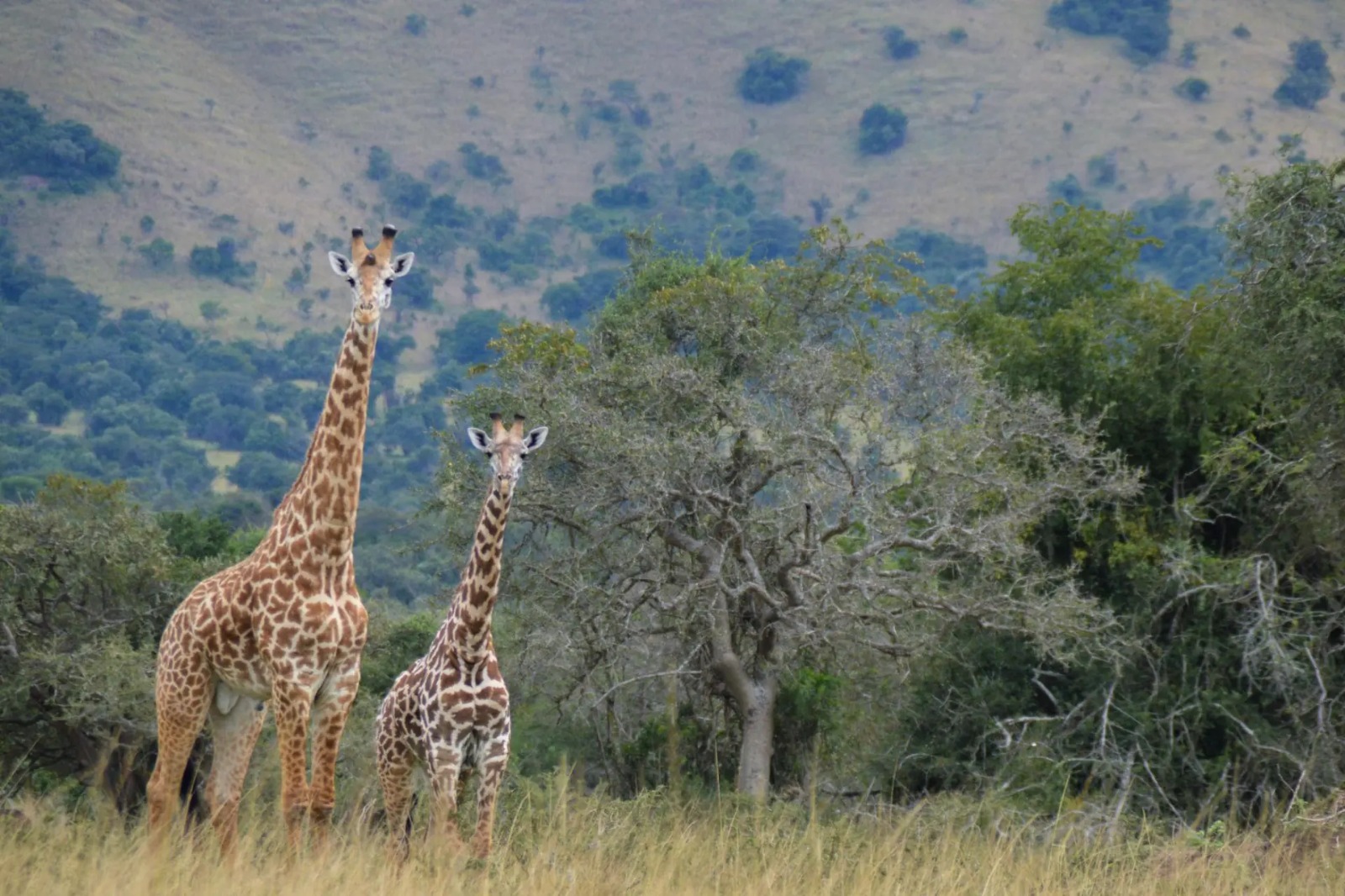
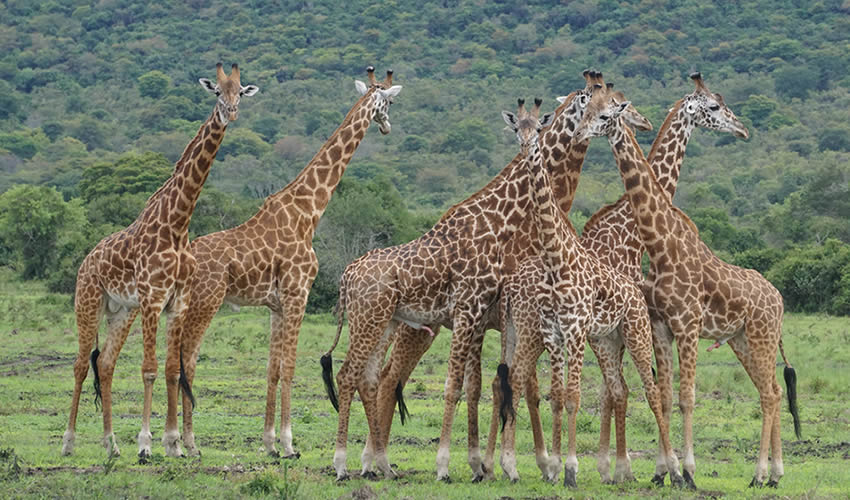
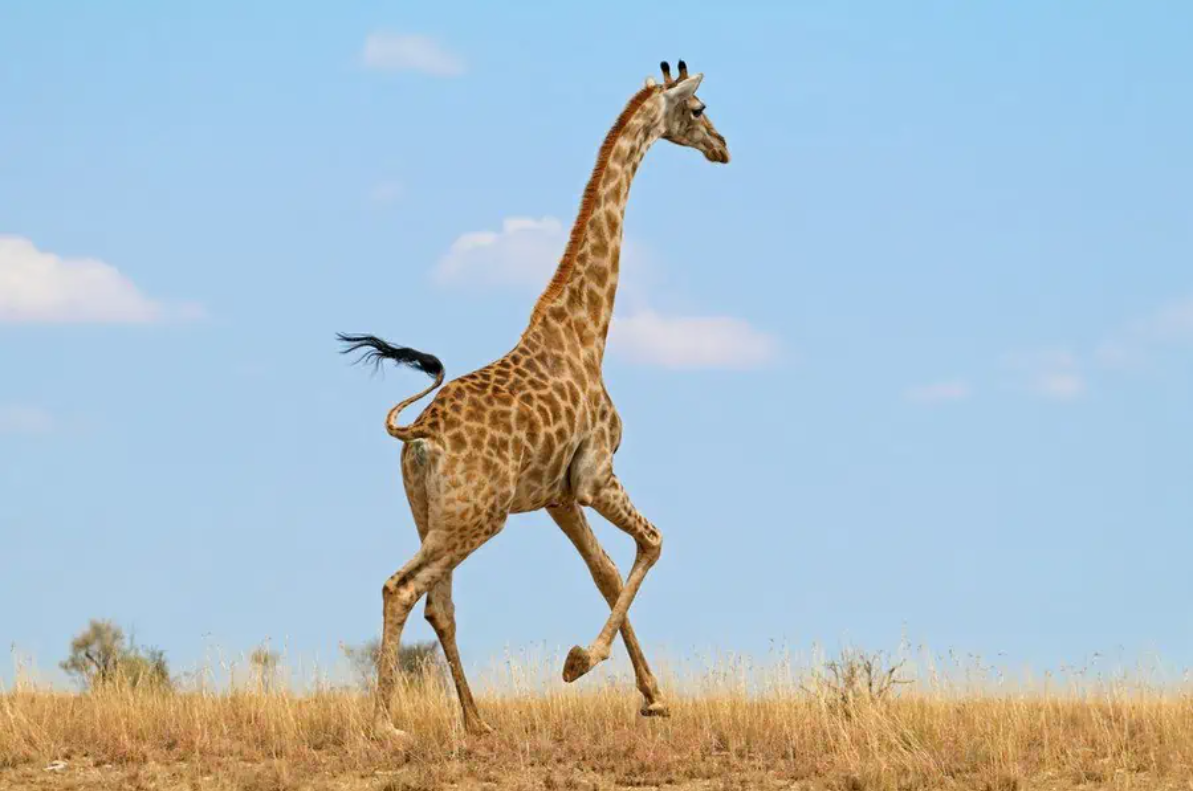
Akagera also supports giraffes, zebras, hippos, warthogs, baboons, and several antelope species. Depending on the area, visitors may encounter impalas, topis, waterbucks, elands, and other grazing animals.
These species contribute to the diversity of the park and create opportunities for observing animal behaviour beyond the search for large predators.
Birdlife
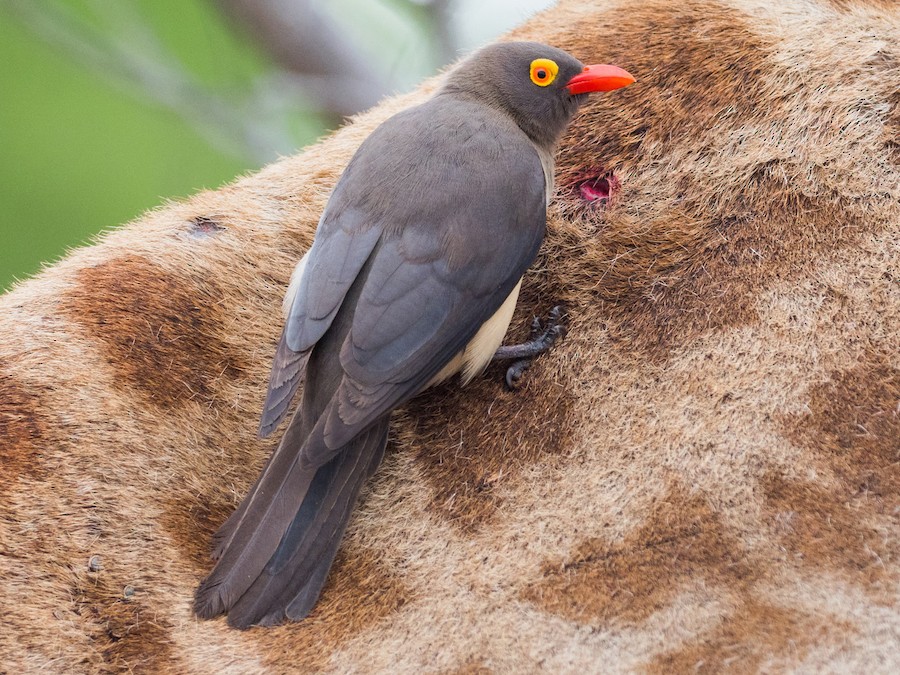
Akagera is a rewarding destination for birdwatching, particularly around Lake Ihema and other wetlands. The park's range of habitats attracts numerous bird species, including African fish eagles, kingfishers, herons, and a variety of savannah and wetland birds.
For visitors interested in photography, birds can provide excellent subjects even when larger mammals are difficult to locate.
Akagera Game Drive Strategy: How to Improve Your Wildlife Sightings
A successful Akagera safari depends on more than driving around the park. Planning your route, starting early, allowing enough time, and understanding different habitats can make your experience more rewarding.
Start Early in the Morning
Early morning is often an excellent time to search for wildlife because temperatures are cooler and some animals are more active. An early departure from Kigali also gives you more time to explore the park.
Focus on the Southern Sector for a Day Trip
The southern part of Akagera is generally the most practical area to explore during a one-day safari from Kigali. It provides access to wildlife-viewing areas and Lake Ihema, helping visitors make the most of a limited schedule.
A one-day visit cannot cover the entire park comfortably. The northern sector deserves more time, especially for travellers who want a longer wildlife-focused adventure.
Use a Guide Who Understands Wildlife Behaviour
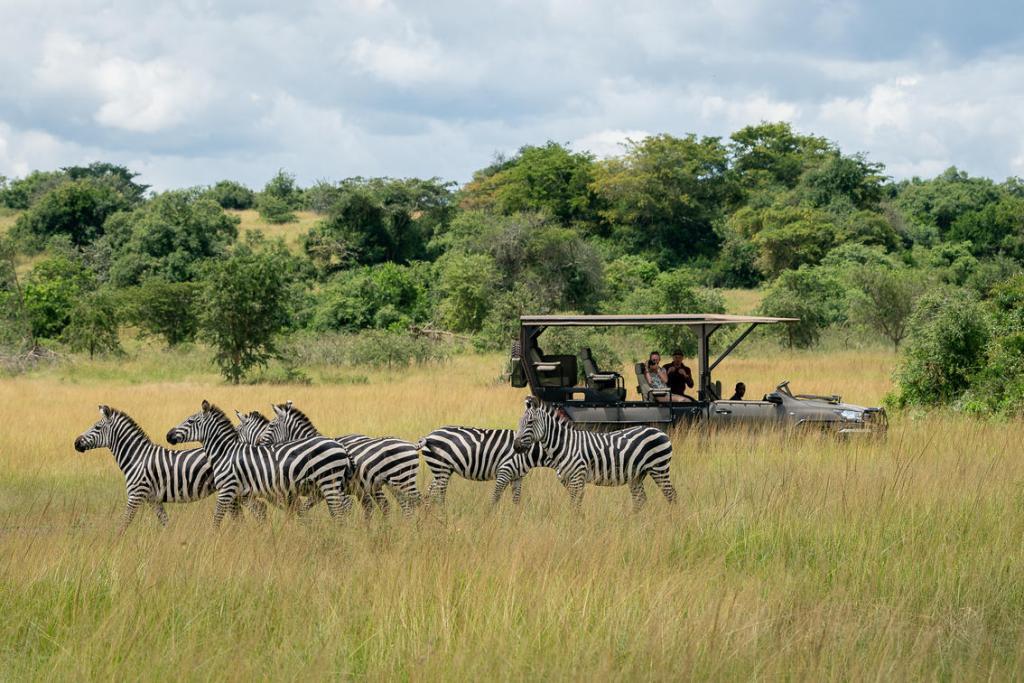
An experienced safari guide can help interpret tracks, identify animal species, explain habitats, and make informed decisions about where to look.
A guide cannot guarantee sightings, but their knowledge can greatly improve the quality of the experience.
Combine Open Plains With Wetland Areas
Open grasslands may offer views of grazing mammals, while woodland and lakeside habitats can reveal different species.
Combining a game drive with a Lake Ihema boat safari provides a more varied understanding of Akagera's wildlife.
Allow Time for Observation
Avoid rushing from one location to another simply to cover distance. Stopping quietly to watch animals can be more rewarding than collecting a long list of sightings.
For visitors who have an extra day, staying overnight allows a more relaxed itinerary and greater flexibility to explore different parts of the park.
Beyond Game Drives: More Things to Do in Akagera National Park
Akagera offers several activities beyond conventional vehicle-based wildlife viewing. These experiences help visitors explore the park's wetlands, conservation work, and relationship with surrounding communities.
Lake Ihema Boat Safari
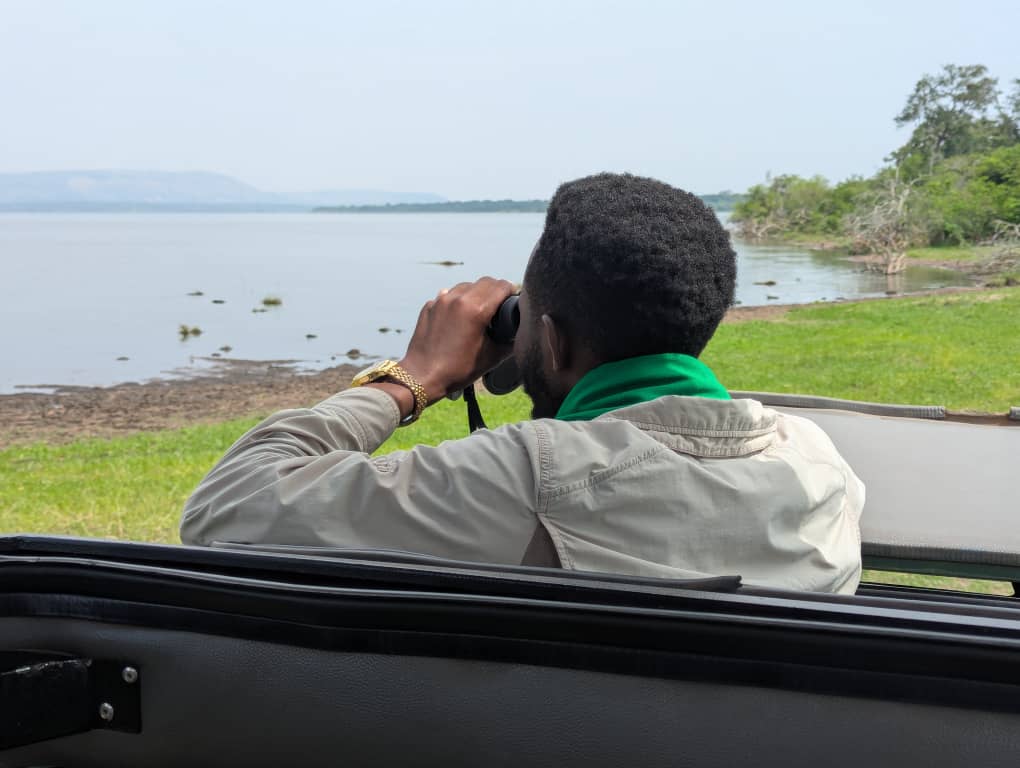
The boat safari remains one of the best activities to combine with a game drive. It introduces visitors to aquatic wildlife, wetland birds, and beautiful lakeside scenery.
Sport Fishing at Lake Shakani
Lake Shakani is the designated location for recreational fishing in the park. Visitors interested in this activity should confirm current rules, permitted methods, and any equipment requirements with park management before their trip.
Guided Night Drives
A guided night drive, where available and booked in advance, offers an opportunity to search for nocturnal wildlife. Animals active after dark may behave differently from those seen during the day.
Night drives are subject to park arrangements and should not be assumed to be part of every standard day safari.
Behind-the-Scenes Conservation Experiences
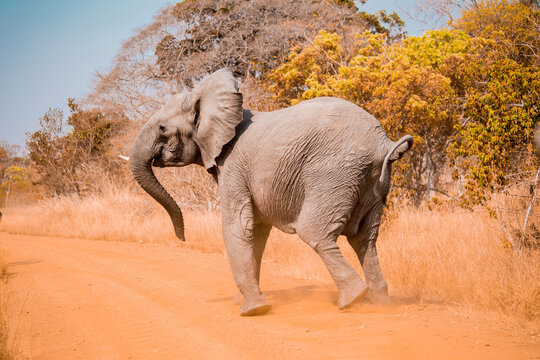
Selected experiences introduce visitors to the people and systems involved in park management. These activities can help travellers understand wildlife protection, monitoring, and the work required to maintain a functioning national park.
Availability and booking requirements should be confirmed in advance.
Community Cultural Experiences
Community-led experiences in the surrounding area may include learning about cattle and milk traditions, local honey production, and other aspects of rural life.
Where available, these activities can help visitors understand how tourism connects with local livelihoods and conservation.
Birdwatching and Nature Photography
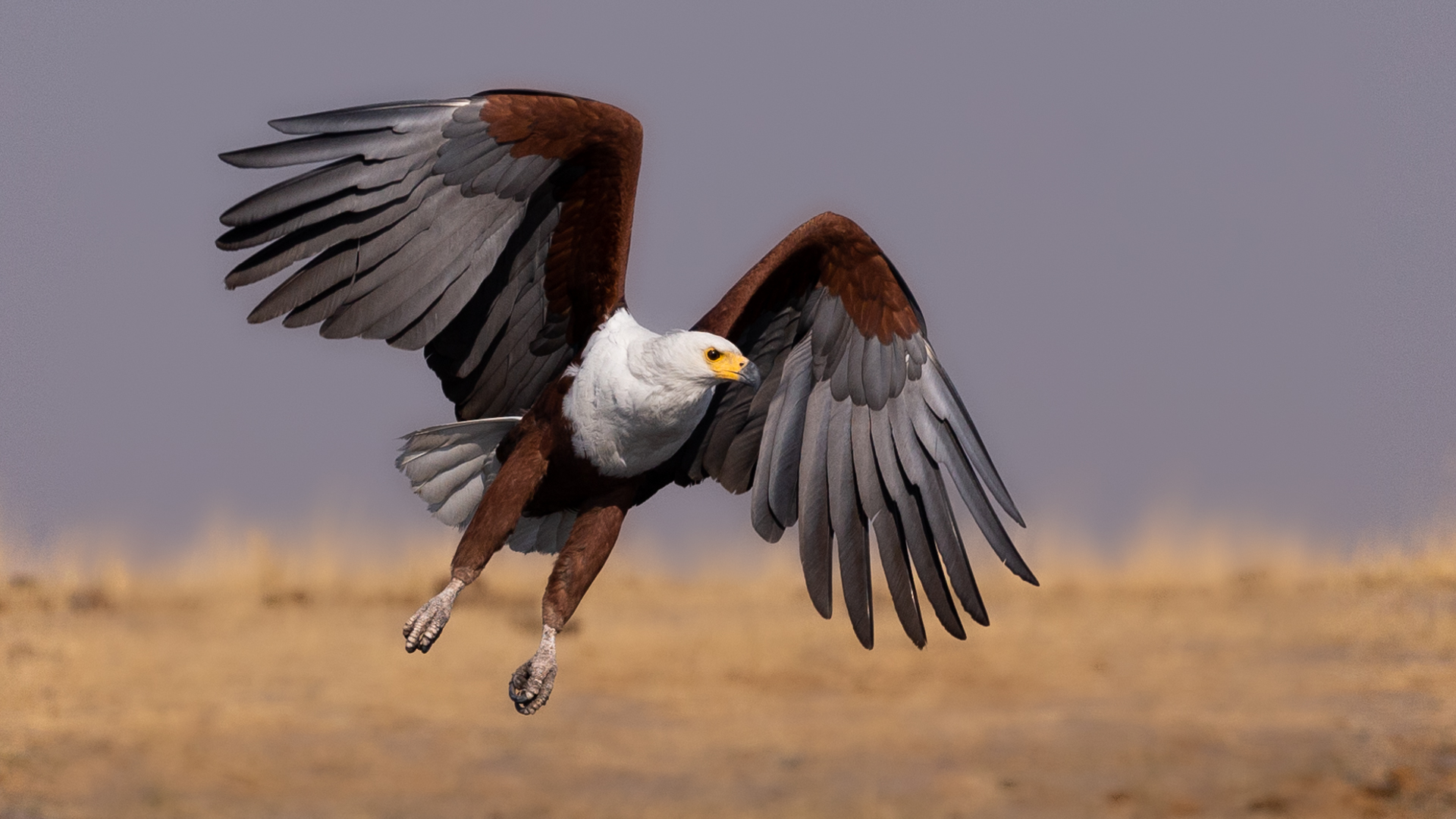
Visitors can spend time observing birds in wetlands, photographing landscapes, and appreciating smaller details that are easy to miss when concentrating only on large mammals.
Camping and Stargazing
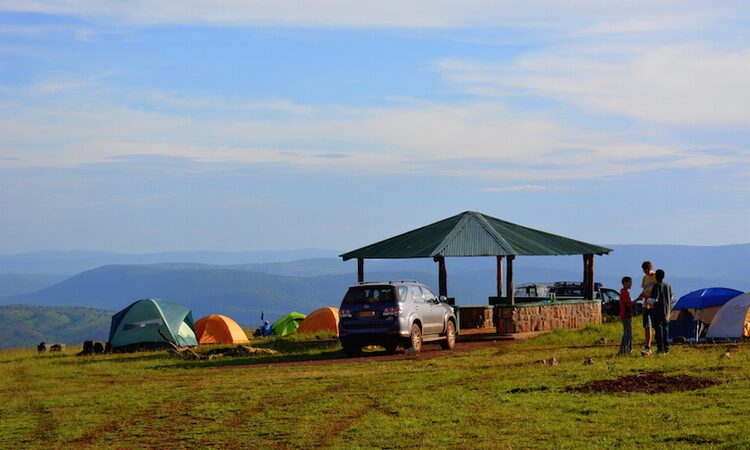
For travellers who enjoy outdoor experiences, designated campsites provide an opportunity to spend more time in the park. At night, the natural sounds of the wilderness create a different atmosphere from a city hotel.
Camping requires careful preparation and compliance with park safety rules.
One-Day Akagera Safari From Kigali: A Beautiful Itinerary
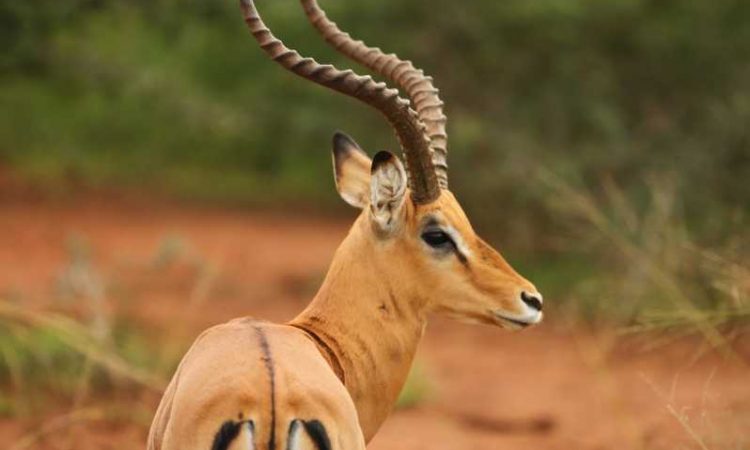
A one-day Akagera safari from Kigali is possible with an early start, private transport, and careful coordination. It is ideal for travellers who want to experience Rwanda's savannah wildlife without extending their stay.
The following itinerary focuses on the southern sector and combines a game drive with a Lake Ihema boat safari. Exact timings depend on road conditions, park entry procedures, boat availability, and wildlife activity.
4:30 a.m. – Depart Kigali
Meet your Seek Wild Africa driver-guide at your hotel or agreed pickup location. Travel east towards Akagera National Park in a comfortable 4x4 safari vehicle.
The early departure provides more time for wildlife viewing and helps you reach the park during the cooler morning hours.
6:30–7:00 a.m. – Arrive at the Southern Gate Area
After reaching the park's southern entrance, complete the necessary entry procedures and confirm the day's route and activity arrangements.
The precise arrival time will depend on your departure point, road conditions, and gate arrangements.
7:00–10:30 a.m. – Morning Game Drive
Begin exploring suitable wildlife-viewing areas in the southern sector. Look for giraffes, zebras, buffaloes, antelopes, and other mammals, while keeping an eye out for predators.
Your guide will adjust the route according to the conditions and available time.
10:30–11:00 a.m. – Scenic Break
Pause at a permitted picnic or rest area, where available, to enjoy refreshments and take in the surrounding landscape.
11:00 a.m.–12:30 p.m. – Continue Wildlife Viewing
Explore additional accessible tracks and habitats. This is an opportunity to observe animal behaviour, enjoy photography, and learn about the park's ecology.
12:30–1:30 p.m. – Lunch Break
Enjoy a pre-arranged packed lunch or an appropriate meal option confirmed before departure. Keep the break flexible to accommodate the boat departure and the day's wildlife-viewing conditions.
1:30–2:30 p.m. – Transfer to the Lake Ihema Boat Departure Point
Travel towards the boat-launch area and prepare for your scheduled excursion. Your guide should confirm the boat departure in advance so that the day's schedule remains realistic.
3:00–4:00 p.m. – Akagera Boat Safari on Lake Ihema
Board the guided boat and explore the lake. Watch for hippos, crocodiles, African fish eagles, kingfishers, and other waterbirds.
Enjoy the scenery, take photographs, and learn how the wetlands support Akagera's wildlife.
This boat slot must be confirmed with park management. If it is unavailable, the itinerary should be adjusted to a suitable alternative departure.
4:00–4:30 p.m. – Return Towards the Southern Gate
After the boat safari, begin returning towards the exit, allowing sufficient time for the remaining drive and park procedures.
4:30–6:00 p.m. – Exit the Park and Return to Kigali
Leave the park within the applicable operating hours and begin the journey back to Kigali. The return journey may extend beyond 6:00 p.m., depending on road conditions and the final exit time.
Arrive in Kigali in the evening, concluding a full day of wildlife viewing and lakeside adventure.
Important planning note: This is an ambitious itinerary, not a guarantee of every activity at the stated time. A 3:00 p.m. boat departure must be confirmed, and the game drive may need to be shortened to ensure a timely exit. For a more relaxed experience, consider an overnight stay in Akagera.
Where to Stay: Lodges Inside and Outside Akagera National Park
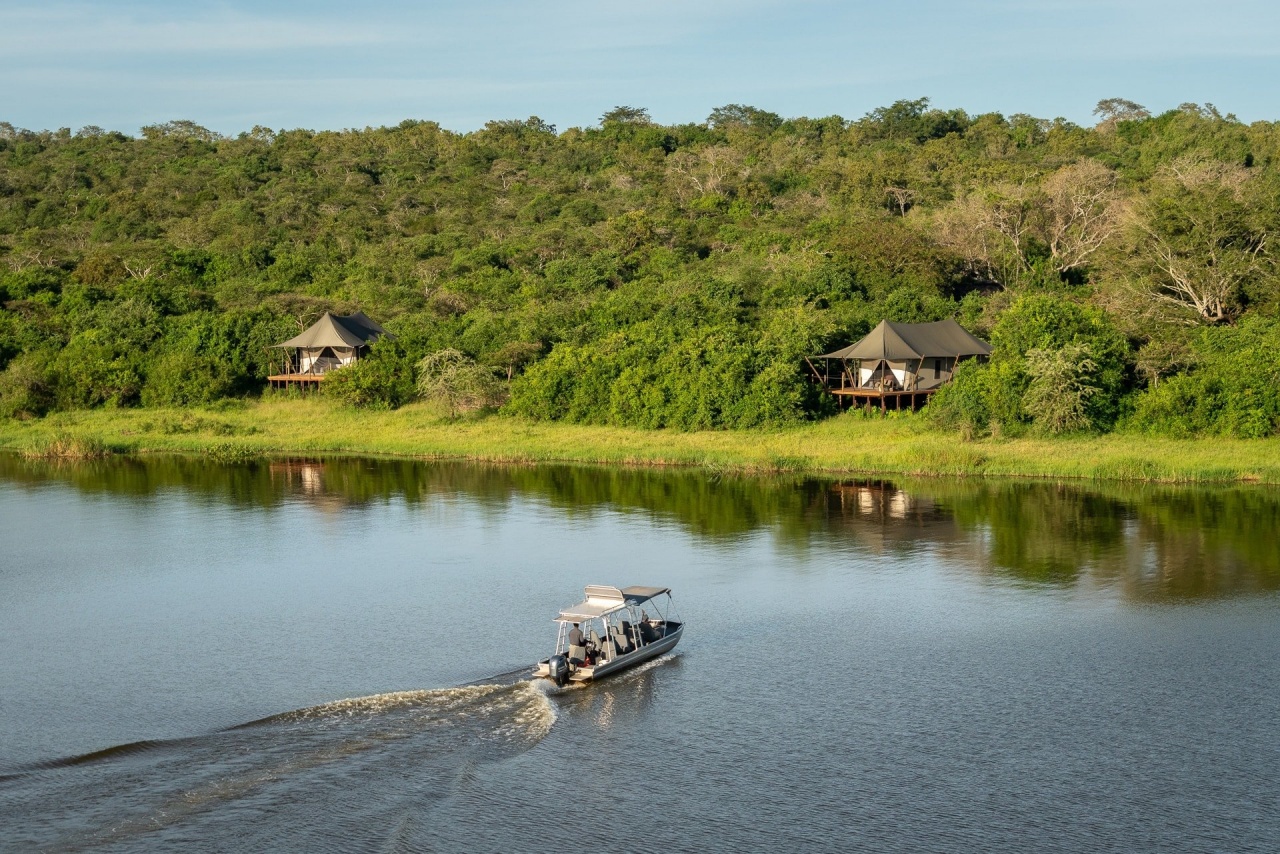
Accommodation is an important part of the Akagera experience. Staying inside the park can provide more time for wildlife viewing, easier access to selected activities, and the atmosphere of being surrounded by nature after the day visitors have departed.
The best choice depends on your budget, preferred comfort level, travel style, and whether you want a short visit or a multi-day safari.
Lodges and Camps Inside the Park
Ruzizi Tented Lodge
Located on the shores of Lake Ihema, Ruzizi is an intimate eco-conscious lodge with en-suite tents, lakeside views, and a peaceful atmosphere. It is an excellent option for travellers who want comfort while remaining close to nature.
Akagera Game Lodge
This established lodge offers conventional hotel-style accommodation, dining facilities, and scenic views from its elevated position. It can suit visitors seeking a more traditional lodge experience.
Karenge Bush Camp
Karenge offers a more intimate, seasonal tented-camp experience in the northern part of the park. Its setting is suited to travellers who want to spend more time exploring the park's remote northern landscapes.
Magashi Camp
Located in the northeastern part of Akagera, Magashi is an exclusive luxury wilderness camp near Lake Rwanyakazinga. It is suited to travellers seeking a high-end safari experience with a strong focus on wildlife and nature.
Campsites
Designated campsites offer a more adventurous alternative for travellers who enjoy sleeping close to nature. Facilities and services differ by site, so confirm what is available before arrival.
Accommodation Outside the Park
Akagera Transit Lodge
A practical option near the southern entrance, especially for visitors who want to stay close to the park before an early departure.
Akagera Rhino Lodge
A lodge option outside the park for travellers seeking a relaxed setting and views of the surrounding landscape.
Akagera Safari Camp and other nearby accommodation
Depending on current availability, nearby camps and lodges can provide alternatives for different budgets and travel styles.
How to Choose the Right Accommodation
- For luxury: Consider Magashi Camp or Ruzizi Tented Lodge, depending on the style of experience you prefer.
- For a conventional lodge stay: Consider Akagera Game Lodge.
- For a remote wilderness atmosphere: Consider Karenge Bush Camp when it is operating.
- For a practical overnight stop: Look at accommodation near the southern entrance.
- For a budget-conscious outdoor experience: Check the park's designated campsites and their facilities.
Accommodation standards, rates, seasonal operations, and availability can change. Seek Wild Africa can help you compare suitable options and confirm current details before booking.
Best Time for an Akagera Boat Safari in 2026–2027
Akagera can be visited throughout the year, but weather and seasonal conditions affect the experience.
The relatively drier months, particularly June to September, often provide favourable conditions for travel and wildlife viewing. During drier periods, some animals may become easier to locate around water sources, although sightings still depend on conditions and animal movements.
The wetter months can bring greener landscapes and rewarding birdwatching opportunities. However, rain may affect road conditions and travel times.
For the Lake Ihema boat safari, the most suitable departure depends on the operating schedule, weather, and the type of experience you prefer. Morning trips can be excellent for birdwatching, while afternoon trips may offer attractive light for photography.
Rather than assuming that one month guarantees the best sightings, plan around your priorities: wildlife viewing, photography, birdwatching, scenery, or a combination of activities.
What to Pack for an Akagera Safari
Preparing carefully helps make your Akagera safari more comfortable and supports responsible travel.
Essential Items
- Lightweight, neutral-coloured clothing suitable for warm weather.
- Comfortable walking shoes or closed shoes for designated stops.
- A hat, sunglasses, and sunscreen.
- Binoculars for observing birds and wildlife.
- A camera, spare batteries, and memory cards.
- Insect repellent.
- Personal medication and basic travel essentials.
- A light rain jacket, depending on the season.
- Enough drinking water for the journey.
Choose Reusable Water Bottles
Akagera promotes responsible waste management, and visitors should avoid bringing single-use plastic items where prohibited by current park rules.
Bring a durable reusable water bottle, such as a stainless-steel bottle or a reusable hard-plastic bottle, and refill it where safe drinking-water facilities are available. A reusable insulated bottle can also help keep water cool.
Avoid assuming that every plastic item is prohibited; follow the park's current guidance on permitted packaging and waste. Pack reusable food containers where appropriate, carry your rubbish out when required, and never leave waste in wildlife habitats.
Respect Wildlife and Park Rules
Never feed animals, leave the vehicle in unauthorized areas, litter, or attempt to approach wildlife. Follow your guide's instructions and respect the park's designated routes and activity rules.
Responsible behaviour helps protect wildlife and preserves the experience for future visitors.
How Seek Wild Africa Organizes Your Akagera Safari
At Seek Wild Africa, we believe that a rewarding safari begins with thoughtful preparation. Our role is to help travellers enjoy Akagera with a clear plan, appropriate transport, and activities suited to their interests and available time.
Personalized Safari Planning
We help you select a safari that matches your schedule, budget, preferred accommodation, and wildlife interests. Whether you have one day in Rwanda or several days to explore, we can help shape an itinerary around your priorities.
Transport and Driver-Guide Arrangements
We can organize suitable transport from Kigali and coordinate driver-guide arrangements for your trip. For a full-day safari, an early departure and efficient route planning are particularly important.
Boat Safari Coordination
We help incorporate the Lake Ihema boat safari into your itinerary, subject to park schedules, availability, and booking confirmation.
Accommodation Recommendations
We can help compare lodges, tented camps, and nearby accommodation so you can choose a suitable balance of comfort, location, and budget.
Wildlife and Activity Planning
We help travellers combine game drives with activities such as boat excursions, birdwatching, and other experiences available during their visit.
Practical Travel Support
We provide itinerary guidance, preparation advice, and support with arranging the main components of your safari. Specific services, prices, inclusions, and availability are confirmed when your trip is planned.
Whether you are looking for a one-day Akagera safari from Kigali, an overnight wildlife adventure, or a longer Rwanda itinerary, Seek Wild Africa can help organize the experience around you.
Plan Your Akagera Boat Safari With Seek Wild Africa
Akagera National Park is a powerful reminder that Africa's wildlife destinations are remarkable for many reasons beyond famous migration spectacles. Its wetlands, savannah wildlife, Lake Ihema boat safari, Big Five, and conservation journey create an experience that is distinctly Rwandan.
For 2026–2027, make time to discover Akagera from both land and water. Watch the savannah awaken on a morning game drive, listen for birds along the lake, observe hippos and crocodiles from a guided boat, and learn about the work that helps protect this extraordinary landscape.
Explore Rwanda with Seek Wild Africa.