Akagera National Park Safari: The Ultimate Guide to Rwanda’s Big Five Experience
September 03, 2026Clementine

Imagine leaving Kigali in the early morning and watching Rwanda’s scenery gradually change. Busy streets and green hills give way to open grasslands, wooded valleys, shimmering lakes, papyrus wetlands, and distant ridges. Then, somewhere beyond the park gate, a giraffe appears above the trees, zebra cross the track, or an elephant disappears into the woodland.

This is the beginning of an Akagera National Park safari.
Located in eastern Rwanda, Akagera is the country’s only savanna national park and one of East Africa’s most remarkable conservation stories. It is home to the Big Five, hundreds of bird species, large lakes, wetlands, rolling hills, and a growing range of safari experiences.
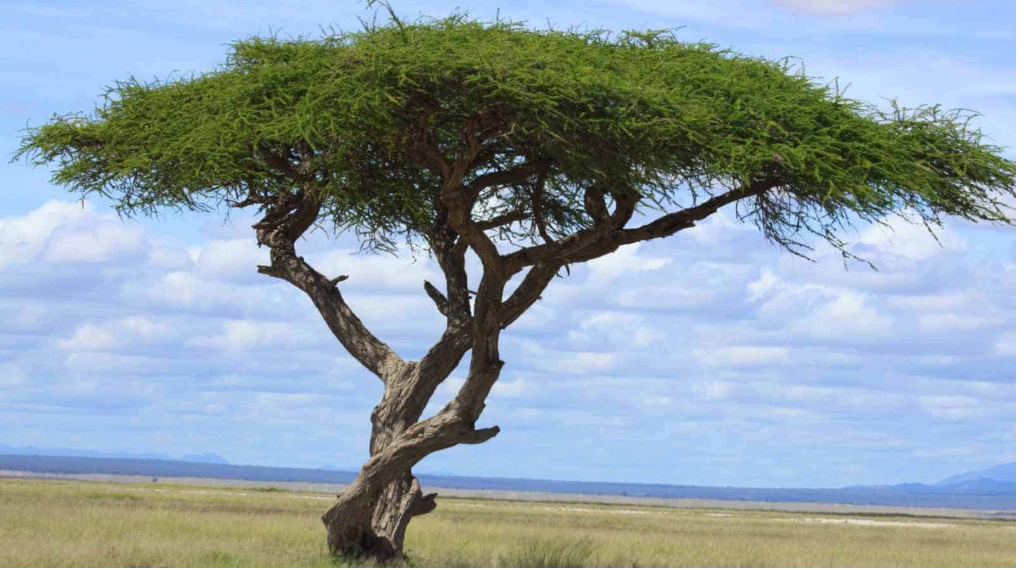
Unlike the rainforest of Nyungwe National Park or the volcanic landscapes of Volcanoes National Park, Akagera offers a classic African savanna experience within a compact and accessible destination. It is possible to visit the park on a one-day safari from Kigali, although two or more days allow travelers to explore at a more relaxed pace.
Akagera is not the Serengeti, and it does not try to be. It offers something different: a diverse landscape, a powerful restoration story, excellent wildlife viewing, and the opportunity to experience a Big Five safari in Rwanda.
Where Is Akagera National Park?
Akagera National Park lies in eastern Rwanda along the country’s border with Tanzania. It is approximately 100–120 kilometers from Kigali, depending on the route and the park entrance used. The journey usually takes several hours by road, making Akagera one of the most accessible safari destinations for travelers staying in Rwanda’s capital.
The park covers a large area of savanna, woodland, wetlands, lakes, and rolling hills. Its eastern side is characterized by open plains and grasslands, while the western areas include higher ground, woodland, and scenic viewpoints.

Akagera’s location makes it especially attractive to travelers with limited time. A visitor can arrive in Rwanda, spend a day or two on safari, and continue to other destinations such as Kigali, Nyungwe National Park, or Volcanoes National Park.
The journey from Kigali is part of the experience. As the city fades behind you, the landscape becomes increasingly rural, with farms, villages, hills, and wide views across eastern Rwanda. By the time you reach Akagera, the atmosphere has changed completely.
The History of Akagera National Park

Akagera National Park was established in 1934 to protect the region’s wildlife and diverse ecosystems. It was named after the Akagera River, which flows along the park’s eastern boundary and feeds a network of lakes and wetlands.
For many years, Akagera supported a rich variety of wildlife, including elephants, buffalo, antelopes, hippos, crocodiles, lions, and numerous bird species. Its wetlands were also ecologically important, providing breeding grounds and feeding areas for waterbirds.
 However, the park’s history has not been easy. Over time, human pressure, settlement, agriculture, conflict, and poaching severely affected its wildlife and habitats. The aftermath of the 1994 genocide against the Tutsi created additional pressure as many people returned to Rwanda and settled in or around protected areas.
Large animals were lost, habitats were damaged, and the park’s tourism potential declined. Akagera faced a difficult future.
Yet the story did not end there. Through stronger management, improved law enforcement, community engagement, habitat protection, and wildlife restoration, the park began a remarkable recovery.
Today, Akagera represents more than a wildlife destination. It is a story of challenge, resilience, restoration, and hope. The animals visitors see during an Akagera safari are part of a much larger conservation journey.
Akagera’s Conservation and Restoration Story

Akagera’s transformation is one of the most important conservation achievements in Rwanda.
In 2010, management of the park entered a long-term partnership with the Rwanda Development Board and African Parks. This partnership introduced stronger systems for park management, ranger protection, tourism development, community engagement, and ecological monitoring.
One of the most visible achievements has been the restoration of the park’s large predators and iconic species.
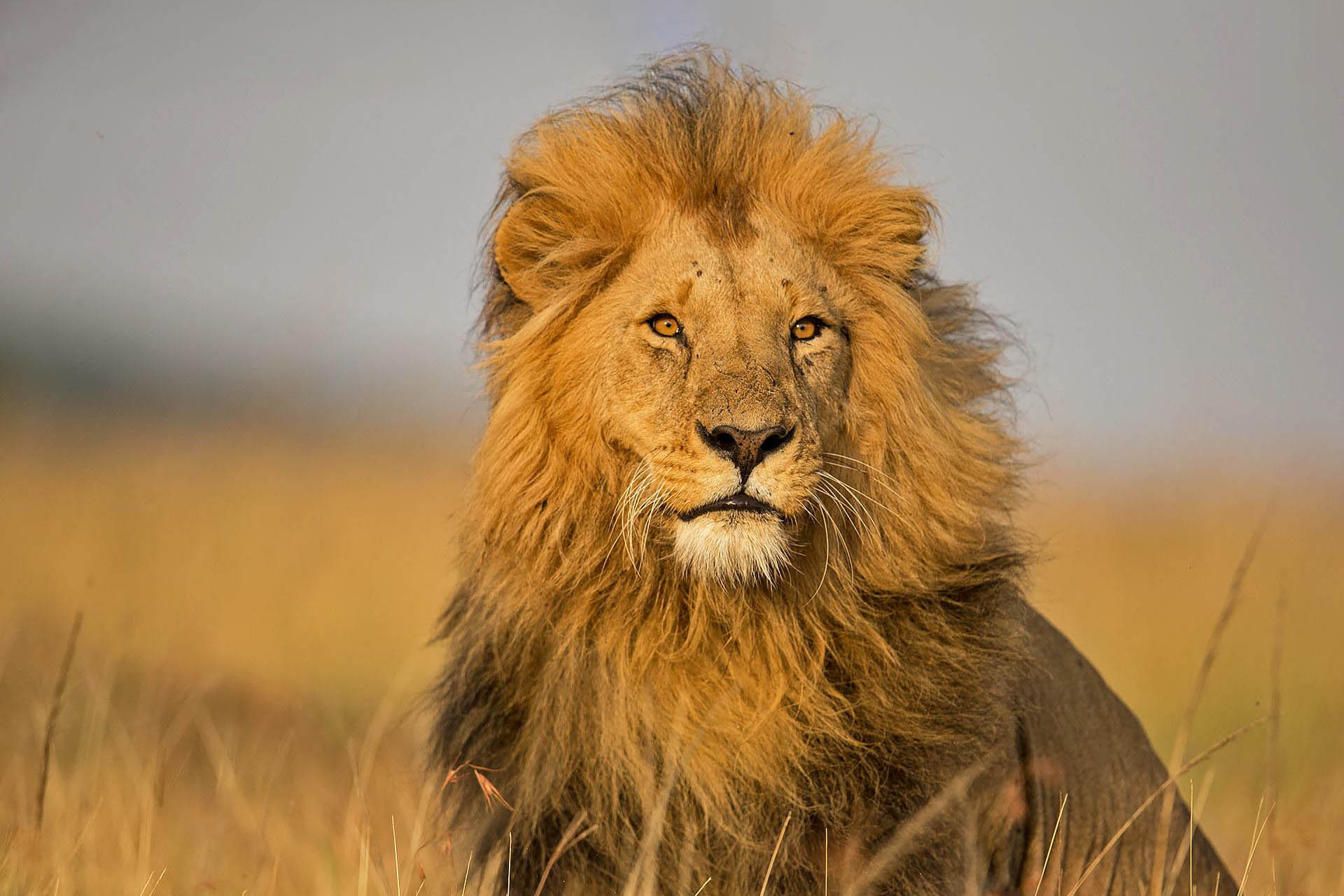
Lions were reintroduced to Akagera in 2015 after being absent from the park for many years. Black rhinoceroses returned in 2017, followed by additional rhinos in later years. These reintroductions helped restore the park’s ecological balance and allowed Akagera to become a Big Five destination once again.
Conservation work has also included:
- Strengthening ranger patrols
- Improving anti-poaching operations
- Monitoring wildlife populations
- Managing habitats and invasive vegetation
- Protecting wetlands and lakes
- Supporting local communities
- Developing tourism infrastructure
- Educating visitors about conservation
- Creating employment opportunities for people living near the park
The park’s success depends not only on protecting animals inside the boundaries but also on building positive relationships with neighboring communities. Community members can benefit through employment, tourism-related businesses, education programs, and conservation initiatives.
Tourism also plays an important role. Entrance fees, safari activities, accommodation, and guided experiences help generate income that supports park management and local development.
When visitors book an Akagera wildlife safari responsibly, they are not simply paying to see animals. They are contributing to a conservation model that helps protect habitats, support rangers, and create economic value from living wildlife.
The Big Five Experience in Akagera
Akagera is Rwanda’s destination for a Big Five safari.
The term “Big Five” traditionally refers to:
- Lion
- Leopard

- Elephant

- Buffalo

- Rhinoceros
The name originally described some of Africa’s most difficult animals to hunt on foot. Today, it is used in responsible tourism to describe some of the continent’s most famous wildlife species.
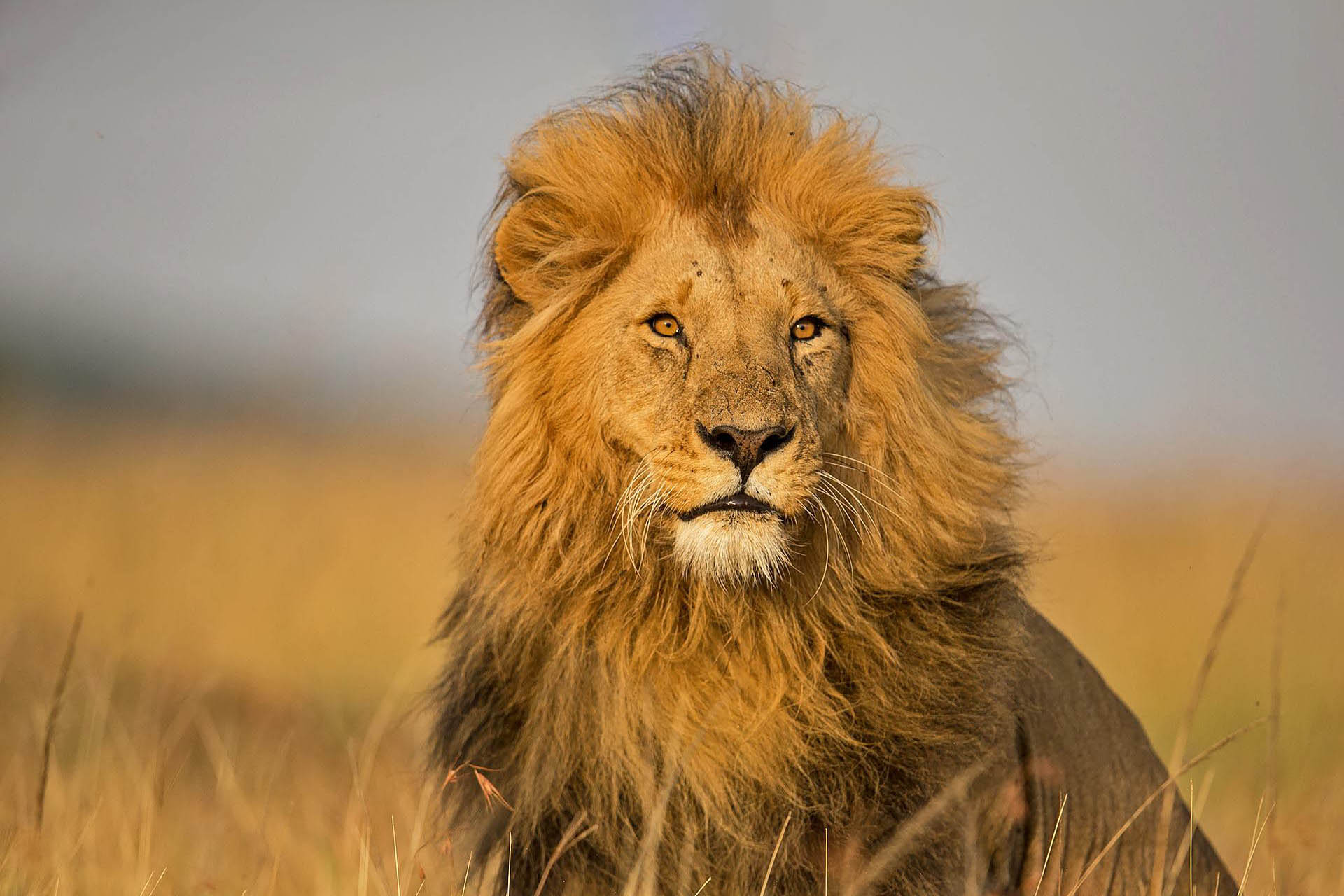
Lions

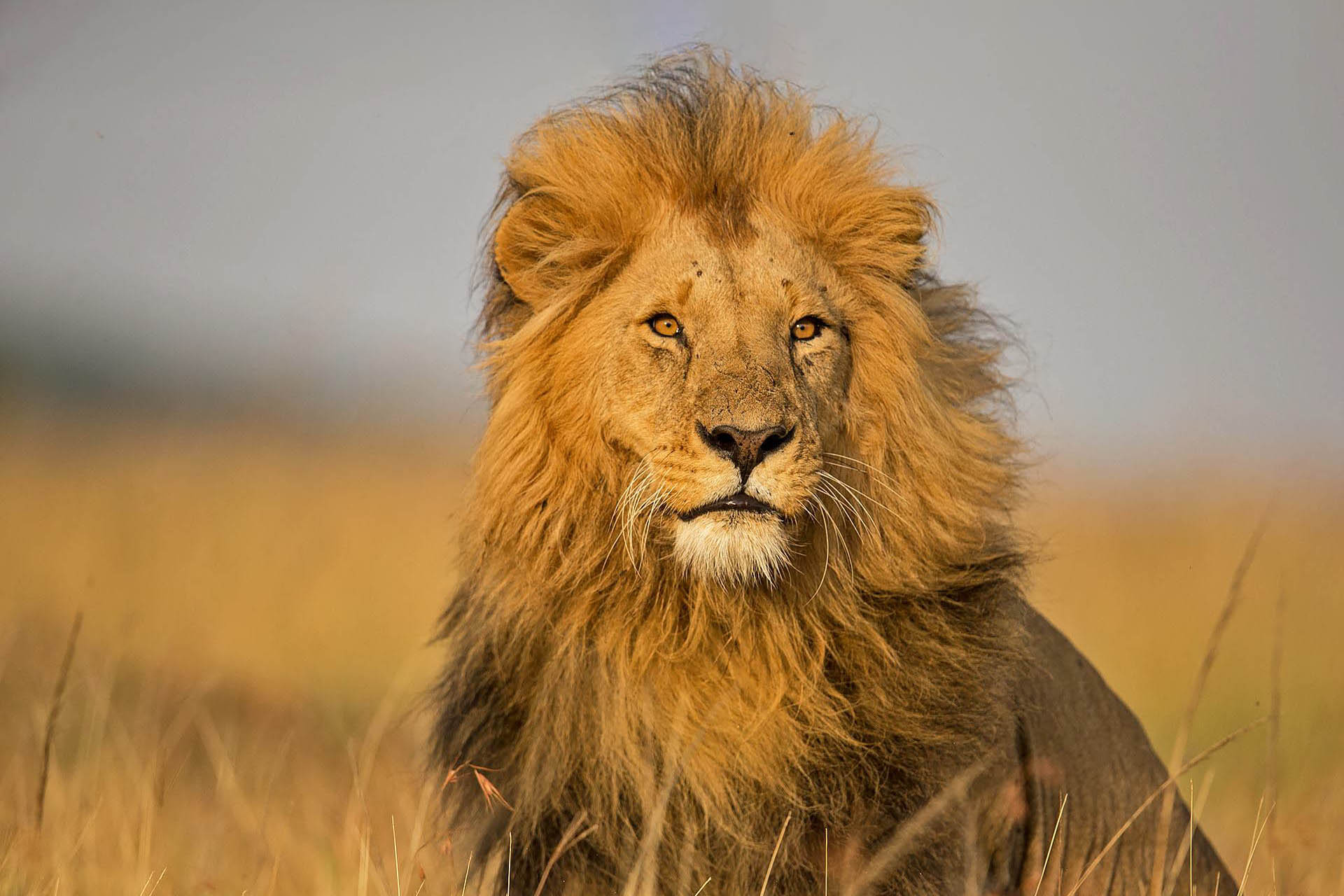
Lions were reintroduced to Akagera in 2015, marking an important moment in the park’s restoration. They can sometimes be seen resting in grasslands, moving through woodland, or gathering near prey-rich areas.
Lion sightings are never guaranteed, but experienced guides understand their behavior and know how to interpret tracks, calls, and recent reports.
Leopards
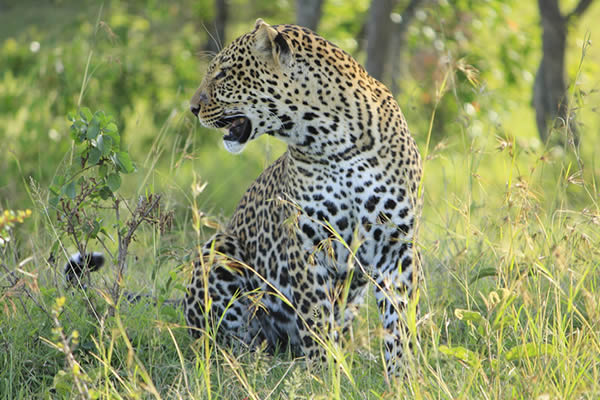
Leopards are among the most elusive animals in Akagera. They are solitary, secretive, and often active during the early morning, late afternoon, or night.
Seeing a leopard requires patience and good fortune. A guide may look for tracks, movement in trees, alarm calls from birds, or signs of recent activity.
Elephants

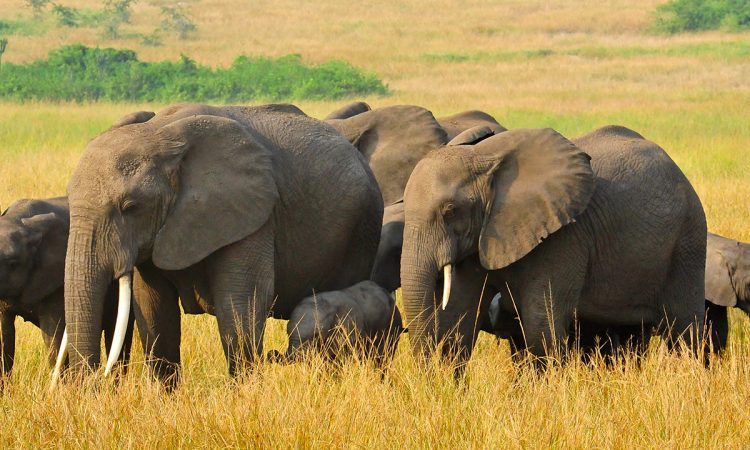
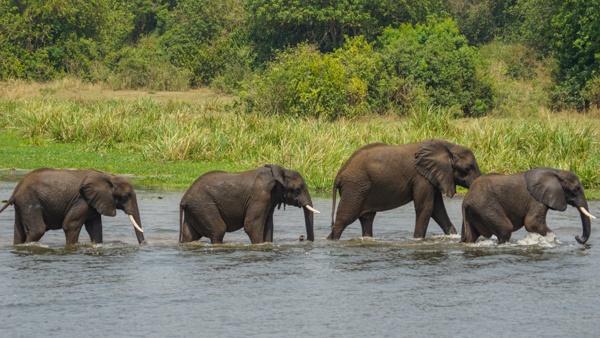
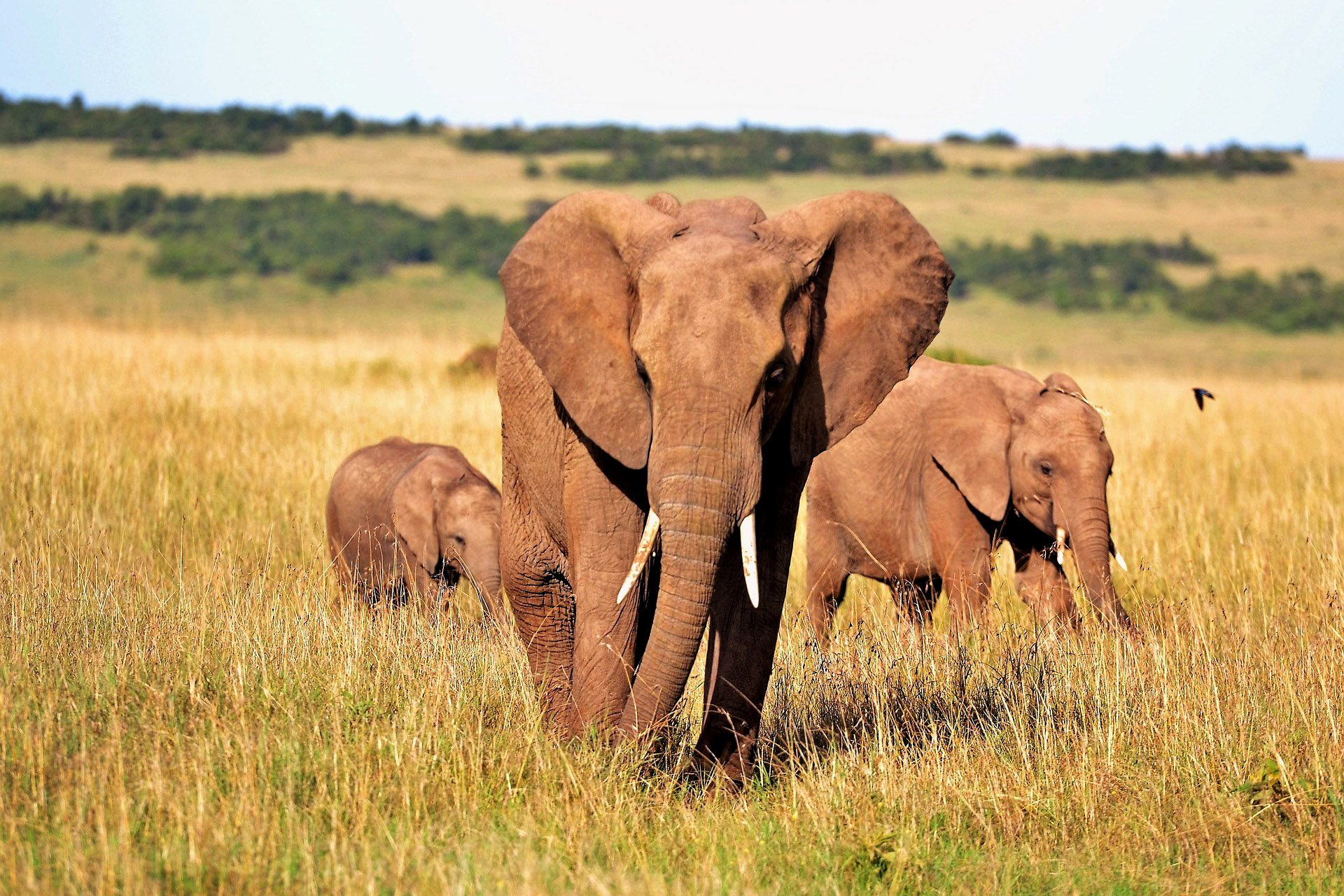
Elephants are one of Akagera’s most impressive sights. They may be found in woodland, near water, or moving across open areas in family groups.
Watching elephants interact, feed, bathe, or care for their young can be one of the most memorable moments of an Akagera safari.
Buffalo
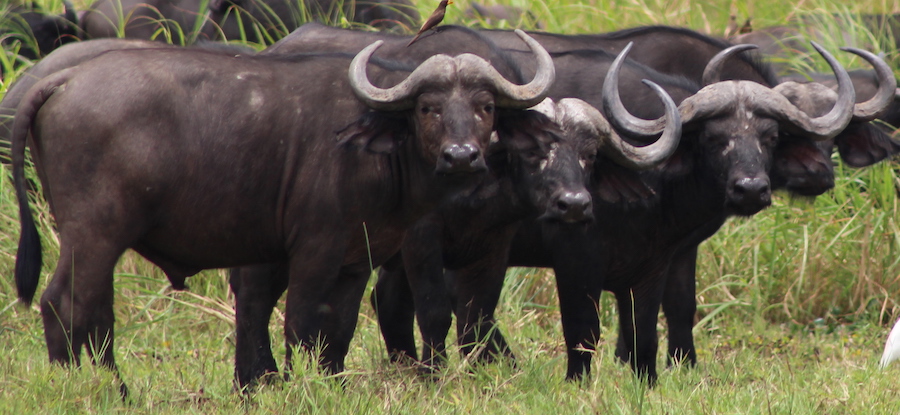
African buffalo are commonly associated with grasslands and water sources. They often move in herds and can be seen grazing or resting during the heat of the day.
Their presence adds to the feeling of a complete savanna ecosystem.
Rhinoceroses

Black rhinoceroses were reintroduced to Akagera in 2017, restoring another important species to the park. Rhinos are carefully monitored and protected by conservation teams.
A rhino sighting is a special experience, but visitors should always maintain a respectful distance and follow the guide’s instructions.
Wildlife sightings depend on many factors, including weather, season, animal movement, vegetation, and time of day. No ethical safari operator can guarantee that visitors will see every species. What guides can do is improve the chances through knowledge, patience, and careful observation.
What Makes Akagera Different from Serengeti and Maasai Mara?

Serengeti National Park and Maasai Mara National Reserve are among Africa’s most famous safari destinations. They are known for vast open plains, large wildlife populations, and the spectacular Great Migration.
Akagera offers a different type of safari experience. It should not be judged only by its size or compared directly with the enormous ecosystems of northern Tanzania and Kenya.
A Compact and Diverse Safari Landscape
Akagera combines several habitats within one protected area. Visitors may travel through open savanna, woodland, wetlands, lakes, and rolling hills during the same safari.

This variety creates different wildlife-viewing opportunities and makes the landscape visually diverse.
A Big Five Safari in Rwanda
Akagera gives travelers the opportunity to experience Rwanda’s Big Five in a country better known internationally for mountain gorillas.
For visitors who want to combine primate trekking with a traditional savanna safari, Akagera is an excellent addition to a Rwanda itinerary.
Accessibility from Kigali
Akagera is relatively accessible from Kigali compared with many major safari destinations in East Africa. This makes one-day and two-day safari itineraries possible for travelers with limited time.
Wildlife and Water Together

The park’s lakes and wetlands add another dimension to the safari. Wildlife can often be seen near water, while boat trips provide a different perspective from a vehicle-based game drive.
A Powerful Conservation Story
An Akagera safari is also an opportunity to witness conservation in action. The return of lions and rhinos, improved wildlife protection, and the recovery of habitats give the park a deeper meaning.
Serengeti and Maasai Mara offer extraordinary experiences. Akagera does not need to imitate them. Its strength lies in its accessibility, diversity, restoration story, and distinctly Rwandan setting.
How to Make the Most of an Akagera Game Drive

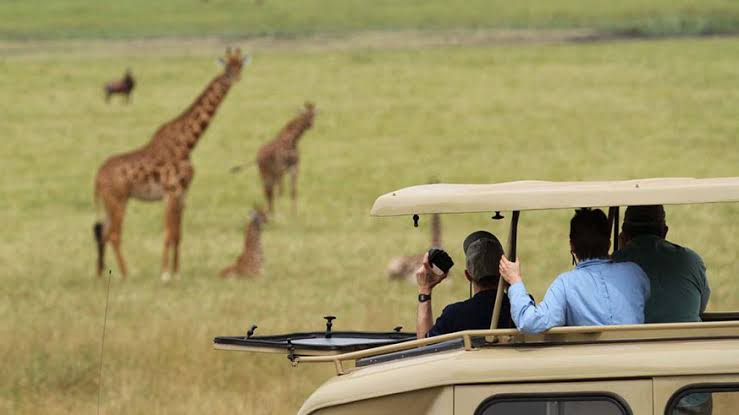
A successful game drive is not simply about driving until an animal appears. It involves timing, patience, observation, and the knowledge of an experienced guide.
Start Early
Early morning is often one of the best times for wildlife viewing. Temperatures are cooler, many animals are active, and the soft light is excellent for photography.
Choose an Experienced Guide
A knowledgeable guide understands the park’s roads, habitats, animal behavior, and seasonal patterns. Guides also communicate with other teams about recent sightings while respecting park rules.
Be Patient
Wildlife does not follow a schedule. A quiet stretch of road may suddenly become memorable when an elephant herd appears or a predator crosses the track.
Watch the Whole Landscape
Do not focus only on large animals. Look for movement in the grass, birds reacting to predators, tracks on the road, antelope behavior, and animals hidden among trees.
Spend Time Near Water

During dry periods, water sources can attract elephants, buffalo, hippos, antelopes, and birds. Your guide can help determine when and where this strategy is appropriate.
Carry Binoculars
Binoculars are useful for viewing distant animals, birds, and details that cannot be seen clearly with the naked eye.
Respect Wildlife

Remain inside the vehicle unless your guide confirms that it is safe and permitted. Avoid loud noises, sudden movements, feeding animals, or asking the driver to approach wildlife irresponsibly.
Responsible behavior protects both visitors and animals.
What Can You Do in Akagera Besides a Game Drive?

A game drive is the most popular activity in Akagera, but it is not the only way to experience the park.
Boat Safari
An Akagera boat safari offers a peaceful and rewarding way to explore the park’s lakes and waterways.
Boat trips are commonly associated with Lake Ihema, where visitors may see hippos, crocodiles, waterbirds, elephants near the shore, and other wildlife using the water’s edge.
The experience is different from a game drive. Instead of following tracks across the savanna, travelers observe the park from the water, surrounded by reflections, reeds, birds, and open views.
Boat schedules and availability can change, so travelers should confirm arrangements before arrival.
Birdwatching

Akagera is one of Rwanda’s most important birdwatching destinations. Its combination of wetlands, lakes, woodland, and savanna supports a wide range of resident and migratory species.
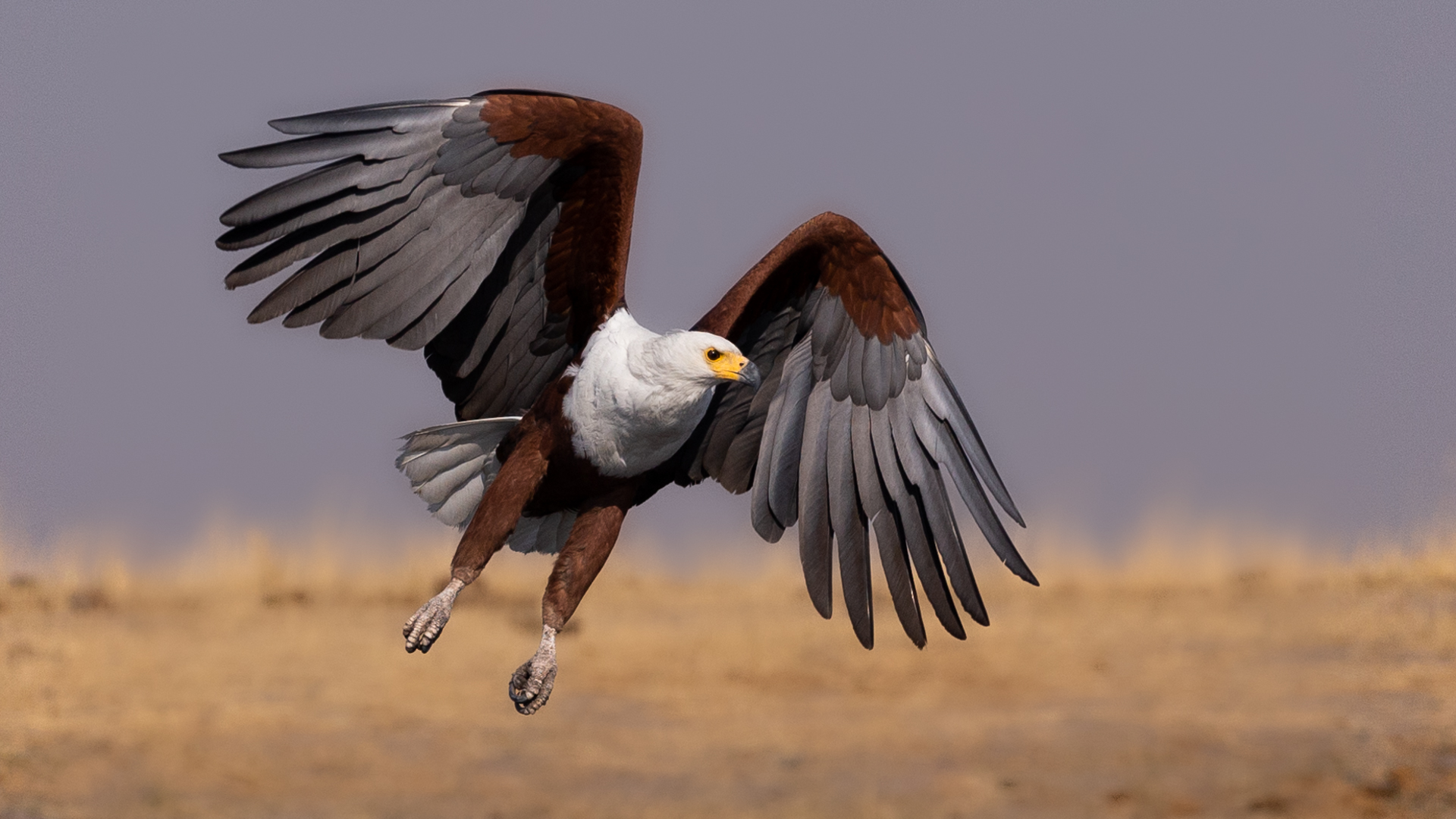
Bird enthusiasts may encounter fish eagles, herons, egrets, kingfishers, storks, bee-eaters, raptors, and many other species.
The rare shoebill is one of the birds that attracts serious birdwatchers, although sightings are never guaranteed.
Fishing
Fishing may be available in designated areas and under specific park regulations. Visitors should confirm current rules, permitted locations, equipment requirements, and whether a guide is required.
Fishing should always be conducted responsibly and in a way that protects the park’s aquatic ecosystems.
Nature and Wildlife Experiences

Akagera’s landscapes are rewarding even when large animals are not immediately visible. Rolling hills, wetlands, lakes, woodland, and open plains create excellent opportunities for scenic observation.
Some guided experiences may also focus on conservation, ecology, or the work of park rangers, depending on current availability.
Photography
Akagera is an excellent destination for wildlife and landscape photography. Early morning and late afternoon often provide the best light, while the variety of habitats creates opportunities for both close wildlife portraits and wide scenic images.
Photographers should use long lenses where appropriate, avoid disturbing animals, and follow all instructions from their guide.
One-Day Akagera Safari from Kigali

Because the journey from Kigali takes several hours in each direction, a day trip can be long. It is best suited to travelers who want a brief introduction to Akagera and are comfortable spending much of the day on the road and inside the park.
Sample One-Day Akagera Safari Itinerary

Early Morning – Departure from Kigali
Leave Kigali early with a professional driver. The journey passes through rural landscapes and provides an opportunity to see another side of Rwanda.
Morning – Enter the Park and Begin the Game Drive
After completing entry procedures, begin the Akagera game drive. Your guide will select routes according to the season, recent wildlife information, road conditions, and the time available.

Late Morning – Wildlife Exploration
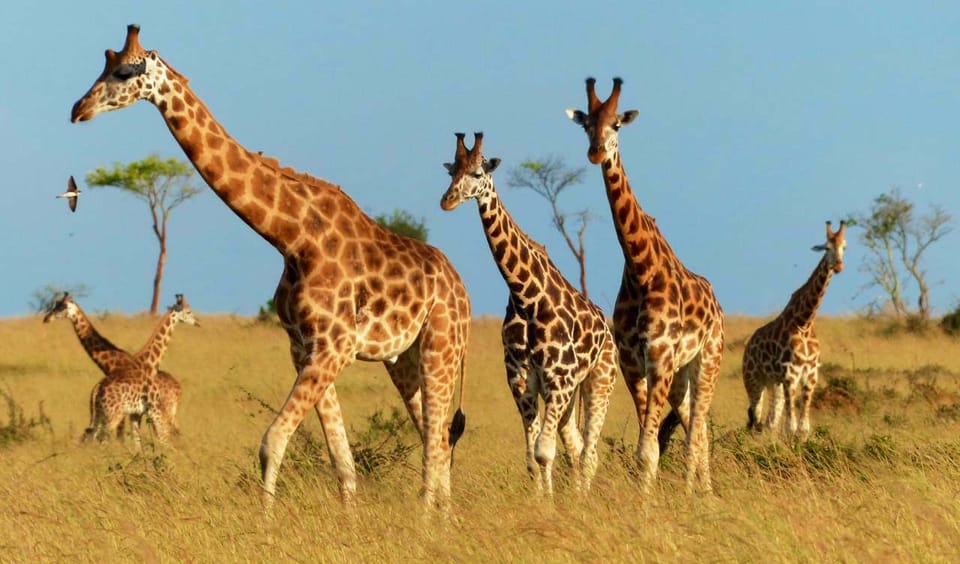
Search for elephants, buffalo, giraffes, zebras, antelopes, hippos, birds, and other wildlife. Predator sightings may be possible, but they depend on natural conditions.

Midday – Lunch and Rest
Take a break for lunch at an approved location or arrange a packed meal in advance. Follow all park rules regarding food and waste.
Afternoon – Continue the Wildlife Experience
Continue exploring selected habitats. Depending on the itinerary, you may visit areas near lakes, wetlands, woodland, or open plains.

Late Afternoon – Begin the Return Journey
Leave the park according to the day’s schedule and begin the journey back to Kigali.
A one-day safari can be rewarding, but travelers should understand that it offers less time and flexibility than an overnight stay. Park opening hours, road conditions, wildlife movement, and activity schedules should be confirmed before booking.
Two-Day Akagera Safari Itinerary

Day 1 – Kigali to Akagera National Park

Begin with a morning departure from Kigali. After reaching the park, complete entry procedures and start a game drive.
Depending on the schedule, the day may include:
- Scenic travel from Kigali
- Park entry
- Morning or midday game drive
- Lunch
- Afternoon wildlife viewing
- Exploration of savanna, woodland, or wetland habitats
- Optional sunset or evening activity where officially available
- Check-in at accommodation
- Dinner and overnight stay
Staying near or inside the park reduces travel pressure and allows visitors to enjoy the atmosphere after the main game drive.
Day 2 – Morning Wildlife Experience and Return to Kigali
Begin the day with an early breakfast before a morning game drive or another selected activity.
The day may include:
- Early wildlife viewing
- Searching for elephants, buffalo, giraffes, zebras, antelopes, and predators
- Birdwatching
- Optional boat safari
- Lunch
- A final scenic drive
- Departure toward Kigali
Where to Stay in Akagera National Park

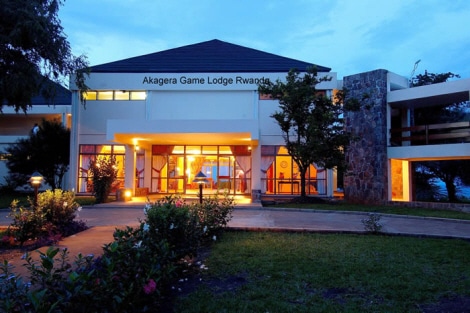
Accommodation is available inside and around Akagera, with options for different budgets and travel styles.
Luxury Accommodation
Higher-end safari lodges and camps may offer:
- Comfortable rooms or safari tents
- Scenic views
- Private decks
- Quality meals
- Guided activities
- Premium service
- Peaceful wildlife surroundings
Some properties are positioned near lakes or elevated viewpoints, creating memorable settings for sunrise and sunset.
Mid-Range Accommodation
Mid-range accommodation can provide a comfortable balance between price, location, and facilities. These options may include lodges, camps, guesthouses, or tented accommodation with meals and basic safari services.
Accommodation Outside the Park
Travelers may also stay in nearby communities or towns outside the park. This can provide additional choices for budget-conscious visitors or travelers who prefer to combine Akagera with other activities.
Accommodation availability, prices, facilities, and operating status can change. It is important to confirm current details before booking.
Best Time to Visit Akagera National Park
Akagera can be visited throughout the year, but different seasons create different safari conditions.
Dry Season
During drier periods, vegetation may be less dense and animals may gather around reliable water sources. Roads can also be easier to navigate in some areas.
This season is often attractive to travelers who prioritize general wildlife viewing.
Wet Season

The rainy season brings greener landscapes, fresh vegetation, dramatic skies, and excellent conditions for photography. Migratory birds may also add to the birdwatching experience.
Some roads may become more challenging, and animals may be more widely dispersed because water is available in many places.
Birdwatching Season

Birdwatchers may enjoy periods when migratory species are present, although Akagera supports a rich bird population throughout the year.
Choosing the Right Time
The best time to visit depends on your priorities:
- Choose drier conditions for easier wildlife concentration and road access.
- Choose wetter months for green scenery, birds, and dramatic photography.
- Choose a flexible itinerary if you want to respond to changing wildlife conditions.
No season guarantees every sighting. Wildlife remains wild and unpredictable.
What to Bring on an Akagera Safari
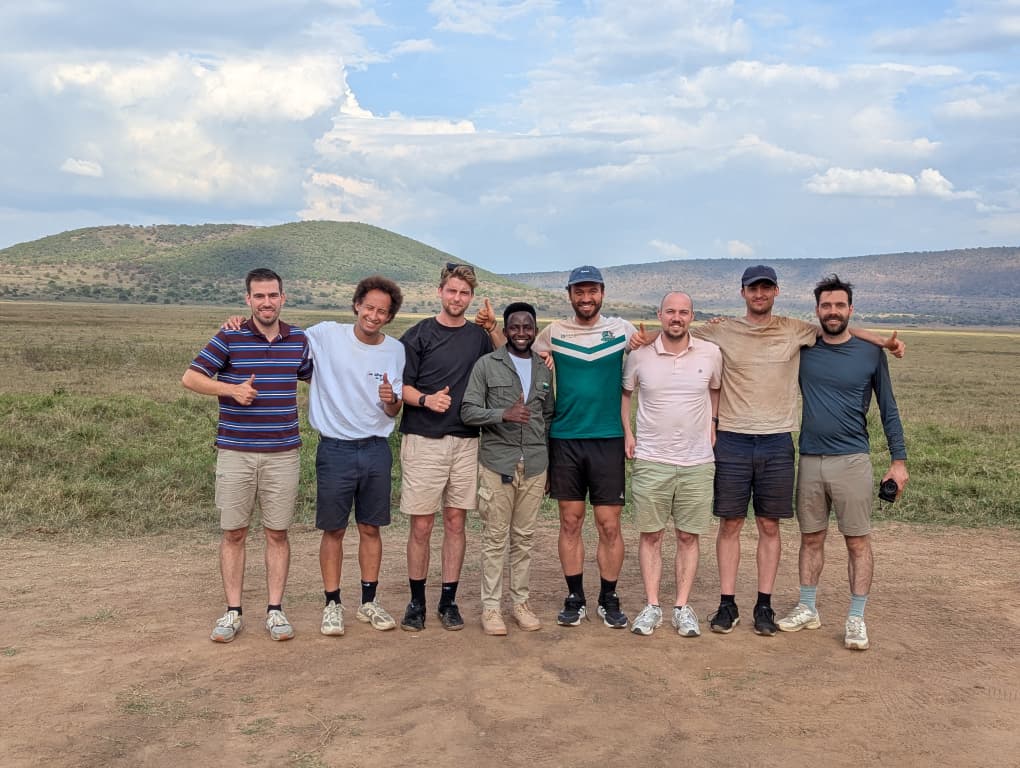
A practical packing list for an Akagera safari includes:
- Comfortable, lightweight clothing
- Long-sleeved shirts
- Trousers
- Comfortable walking shoes
- A warm layer for early mornings
- Hat or cap
- Sunglasses
- Sunscreen
- Insect repellent
- Binoculars
- Camera and spare batteries
- Power bank
- Small backpack
- Reusable water bottle
- Personal medication
- Hand sanitizer
- Light rain jacket during wetter months
Neutral-colored clothing is often practical because it is comfortable and less visually distracting in the bush.
Important Conservation Reminder About Plastic
Rwanda is known for its strong environmental policies. Visitors should avoid prohibited single-use plastic items and follow current national and park regulations.
Carry a reusable water bottle, such as a durable stainless-steel bottle or another permitted alternative. Always dispose of waste responsibly and never leave litter inside the park.
Because regulations can change, confirm the latest requirements before traveling.
How Seek Wild Africa Organizes Your Akagera Safari
Planning a safari involves more than choosing a date. Travelers must consider transportation, park entry, accommodation, game-drive timing, meals, activities, and return arrangements.
Seek Wild Africa can help organize these details into one practical itinerary.
Depending on your needs, services may include:
- Akagera safari planning
- One-day safari arrangements
- Two-day safari arrangements
- Professional driver services
- Safari transportation
- Game-drive planning
- Accommodation arrangements
- Boat safari arrangements where available
- Airport transfers
- Customized Rwanda safari itineraries
- Multi-destination Rwanda tours
- Travel planning and logistical support
A professional local operator can also help travelers adapt their plans to weather, road conditions, available activities, and the amount of time they have in Rwanda.
The goal is not simply to sell a package. It is to create a safe, realistic, and enjoyable experience that matches the traveler’s interests, budget, and schedule.
Why Akagera National Park Should Be on Your Rwanda Itinerary

Akagera offers a combination of experiences that is difficult to find elsewhere in Rwanda.
Visitors can enjoy:
- Big Five wildlife
- Open savanna
- Lakes and wetlands
- Game drives
- Boat safaris
- Birdwatching
- Wildlife photography
- Scenic landscapes
- Conservation experiences
- Accessibility from Kigali
- One-day and multi-day safari options
The park also adds balance to a Rwanda itinerary. After exploring Kigali, trekking for gorillas in Volcanoes National Park, or walking through the rainforest of Nyungwe, Akagera introduces a completely different environment.

It is a place where travelers can see Rwanda’s conservation progress with their own eyes.
Akagera is not trying to replace Serengeti or Maasai Mara. It offers a more compact, diverse, and accessible safari experience with its own identity and history.
Frequently Asked Questions About Akagera Safari
What is Akagera National Park famous for?

Akagera is famous for its savanna landscapes, lakes, wetlands, birdlife, wildlife restoration, and Big Five safari experience.
Can I do a one-day Akagera safari from Kigali?

Yes. A one-day safari from Kigali is possible, but it requires an early departure and can be a long day. Travelers who want more time inside the park should consider staying overnight.
Can I see the Big Five in Akagera?

Akagera is home to lions, leopards, elephants, buffalo, and rhinoceroses. However, wildlife sightings are never guaranteed because animals move freely in their natural habitat.
How long should I spend in Akagera?

One day is suitable for a brief introduction. Two days provide a more relaxed experience and allow time for additional activities such as a boat safari. Three or more days may suit travelers who want deeper wildlife exploration or specialized photography and birdwatching.
What animals can I see in Akagera?
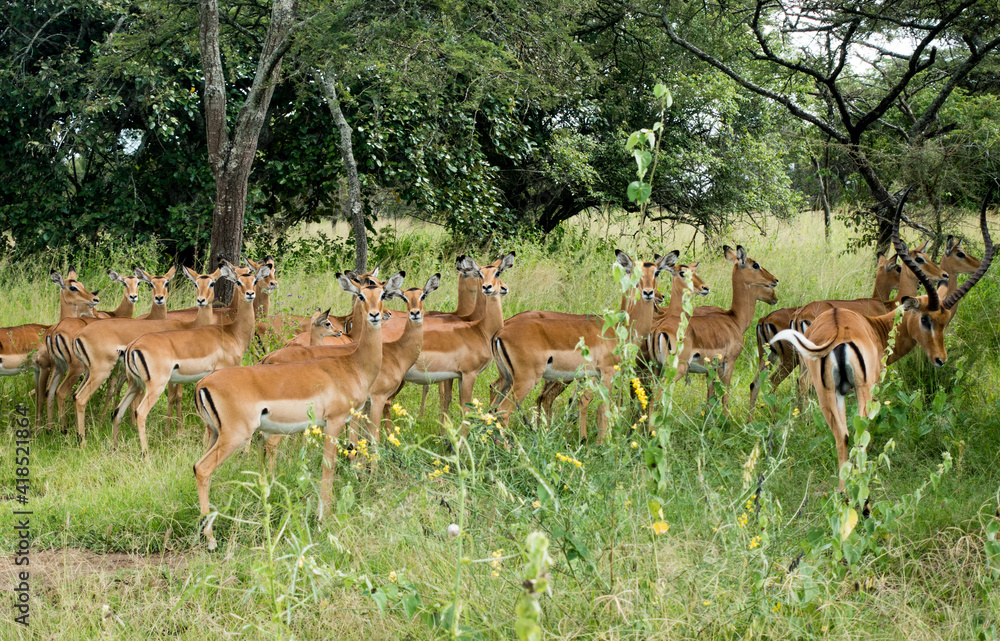
Depending on the season and location, visitors may see elephants, lions, rhinos, buffalo, leopards, giraffes, zebras, hippos, crocodiles, antelopes, monkeys, and many bird species.
What can I do besides a game drive?
Activities may include boat safaris, birdwatching, fishing in permitted areas, photography, nature experiences, and conservation-focused activities.
Is there a boat safari in Akagera?
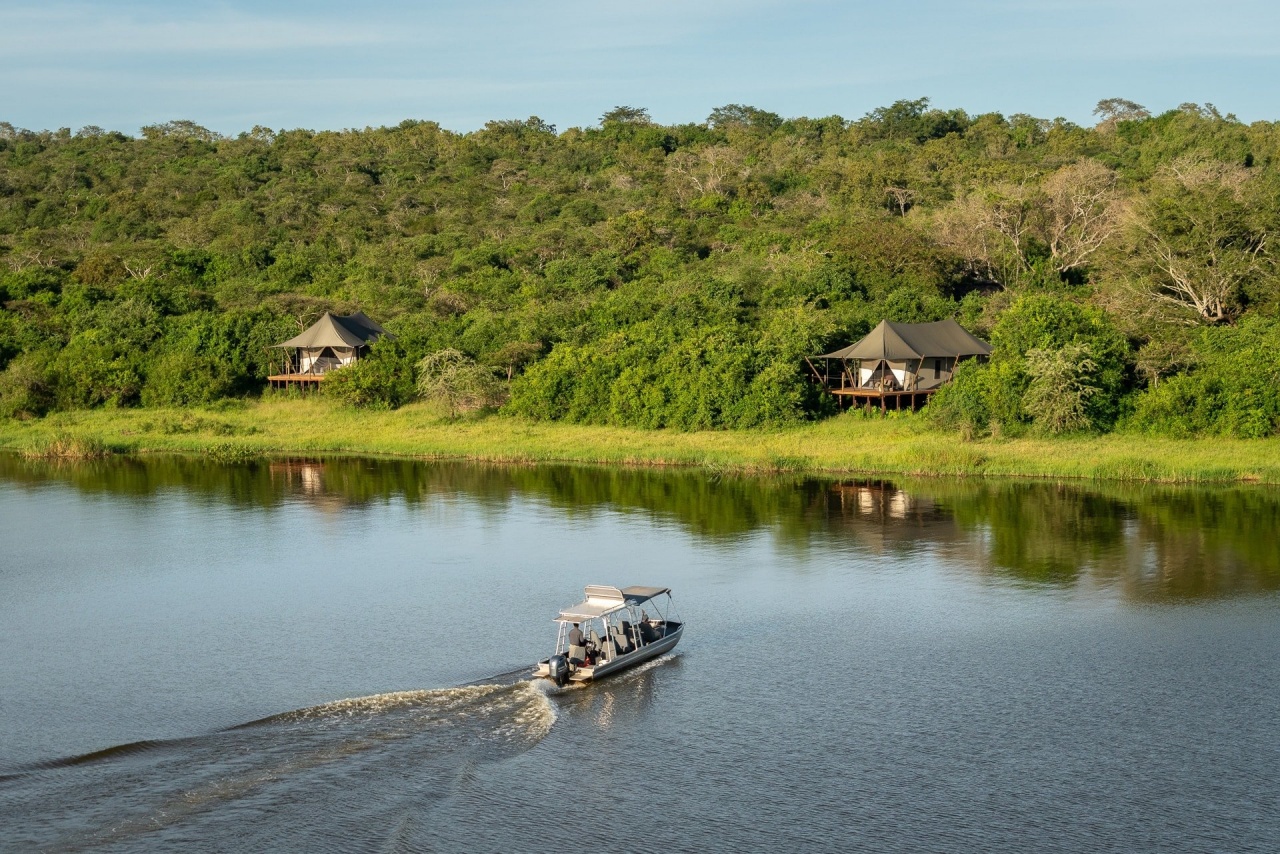
Boat safaris are available on selected waterways, commonly around Lake Ihema, subject to current schedules and operating conditions.
What is the best time to visit Akagera?

Akagera can be visited year-round. Drier periods may offer easier wildlife viewing in some areas, while wetter months provide greener scenery, migratory birds, and excellent photography conditions.
Where can I stay?
Travelers can choose from luxury lodges, tented camps, mid-range accommodation, and properties outside the park. Confirm current availability and facilities before booking.

What should I bring?
Bring comfortable clothing, sun protection, insect repellent, binoculars, a camera, personal medication, a power bank, and a reusable water bottle.
Can Seek Wild Africa organize my Akagera safari?

Yes. Seek Wild Africa can assist with transportation, professional drivers, game drives, accommodation, boat safari arrangements, airport transfers, and customized Rwanda itineraries.
Can I combine Akagera with other Rwanda destinations?
Yes. Akagera can be combined with Kigali, Volcanoes National Park, Nyungwe National Park, Lake Kivu, and other destinations depending on the length of your trip.
Plan Your Akagera National Park Safari with Seek Wild Africa

Akagera National Park is more than a place to photograph wild animals. It is a living story of Rwanda’s landscapes, wildlife, conservation, resilience, and restoration.
The return of lions and rhinos, the protection of wetlands, the work of rangers, and the involvement of surrounding communities have helped transform Akagera into one of Africa’s most inspiring conservation destinations.
Whether you have one day or several, an Akagera National Park safari can become one of the most memorable parts of your Rwanda journey.
Seek Wild Africa can help organize the complete experience, including:
- Transportation
- Professional driver
- Safari itinerary
- Accommodation
- Game drives
- Boat experiences
- Customized Rwanda tours
- Airport transfers
- Multi-day safari planning
Contact Seek Wild Africa to begin planning your Akagera safari and discover a side of Rwanda where open savanna, lakes, wildlife, and conservation come together.