Nyungwe National Park Chimpanzee Trekking: Why Rwanda’s Ancient Rainforest Is One of Africa’s Best Places to Visit in 2026–2027
October 04, 2026Clementine
There are safari destinations in Africa that are famous for endless grasslands, enormous herds of wildlife and spectacular migrations. Then there is Nyungwe National Park in Rwanda—a completely different kind of African wilderness.
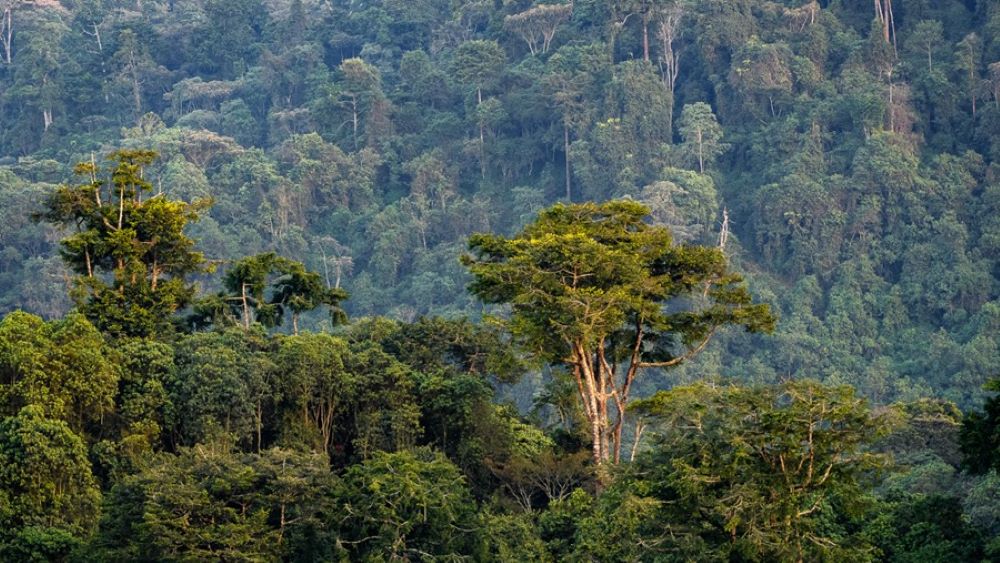
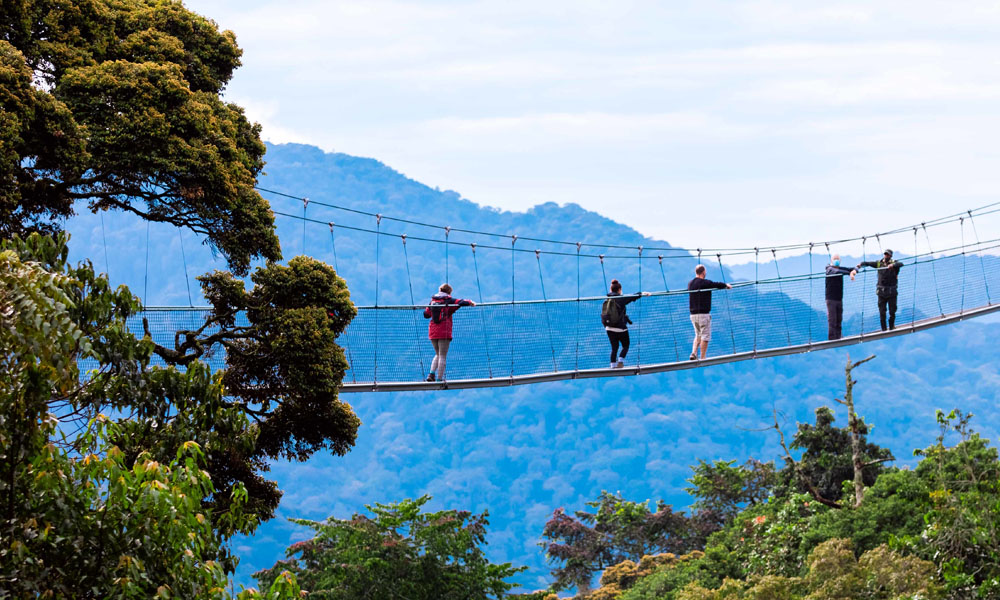
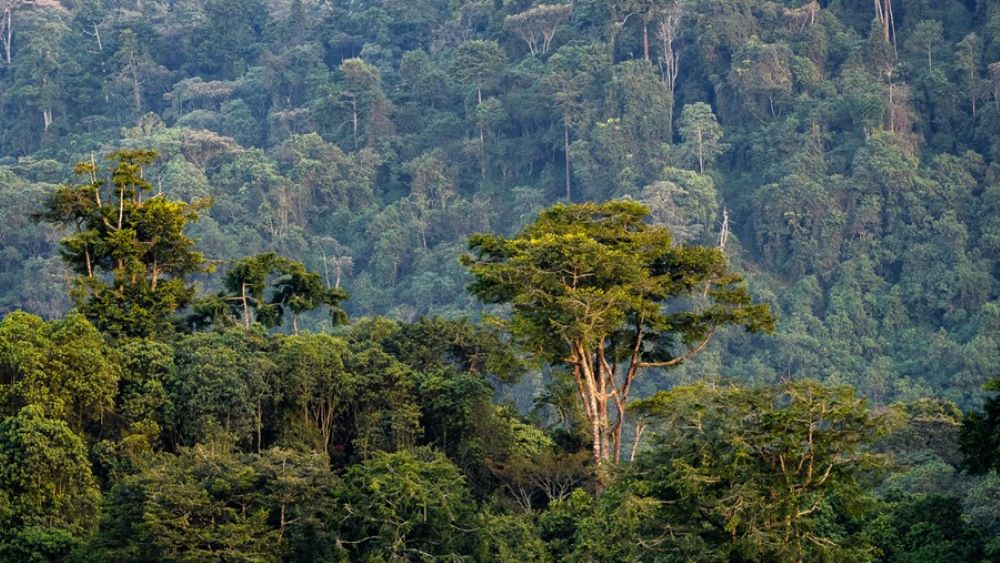
Hidden in the misty mountains of southwestern Rwanda, Nyungwe is an ancient Afromontane rainforest where chimpanzees call from the canopy, colobus monkeys move through the trees, colourful Albertine Rift birds disappear between branches, waterfalls emerge from dense vegetation, and visitors can walk above the forest on a spectacular suspended canopy walkway.
For travellers planning an African safari in 2026 or 2027, Nyungwe deserves serious attention.
It may not have the millions of wildebeest associated with the Serengeti or Masai Mara, and it is not primarily a traditional game-drive destination like Akagera National Park. Its strength is different: Nyungwe offers an immersive rainforest experience built around chimpanzee trekking, primate encounters, biodiversity, hiking, birdwatching, waterfalls, canopy adventures and conservation.
That difference is precisely what makes Nyungwe special.
Why Nyungwe National Park Deserves a Place Among Africa’s Best Destinations
Calling Nyungwe one of Africa's best places to visit should not mean pretending that every African park offers the same experience.
Africa's greatest protected areas are famous for different reasons.
The Serengeti is legendary for its vast plains and the Great Migration. Masai Mara is celebrated for spectacular concentrations of wildlife and the annual migration crossing the Mara ecosystem. Akagera National Park gives Rwanda a completely different safari experience, with open savannah, wetlands, lakes, elephants, lions, rhinos, giraffes and opportunities for Big Five game drives.
Nyungwe wins on another field.
It is a rainforest destination where the forest itself becomes the safari.
Here, travellers are not simply sitting inside a vehicle waiting for animals to cross the road. They walk through an ancient ecosystem, listen for chimpanzee calls, follow experienced trackers, search the canopy for monkeys and birds, cross suspended bridges above the forest and hike toward waterfalls hidden inside one of Africa's most important mountain forests.
That makes a Nyungwe National Park safari particularly attractive to travellers who want something more intimate, active and ecological.
Nyungwe National Park at a Glance
- Location: Southwestern Rwanda
- Distance from Kigali: Approximately 225 km by road
- Driving time: Generally around 5–7 hours depending on route, road conditions and stops
- Size: Approximately 1,019 km²
- Ecosystem: Afromontane rainforest, bamboo forest, grasslands and wetlands
- Major attraction: Chimpanzee trekking
- Other primates: 13 primate species are recorded in the park
- Birdlife: More than 300 species, including Albertine Rift endemics
- Major experiences: Chimpanzee trekking, canopy walkway, zipline, hiking, waterfalls, birdwatching, primate tracking and forest exploration
- UNESCO status: World Heritage Site since 2023
- Management partnership: African Parks and the Rwanda Development Board
- New adventure: Nyungwe Canopy Zipline, launched in 2025
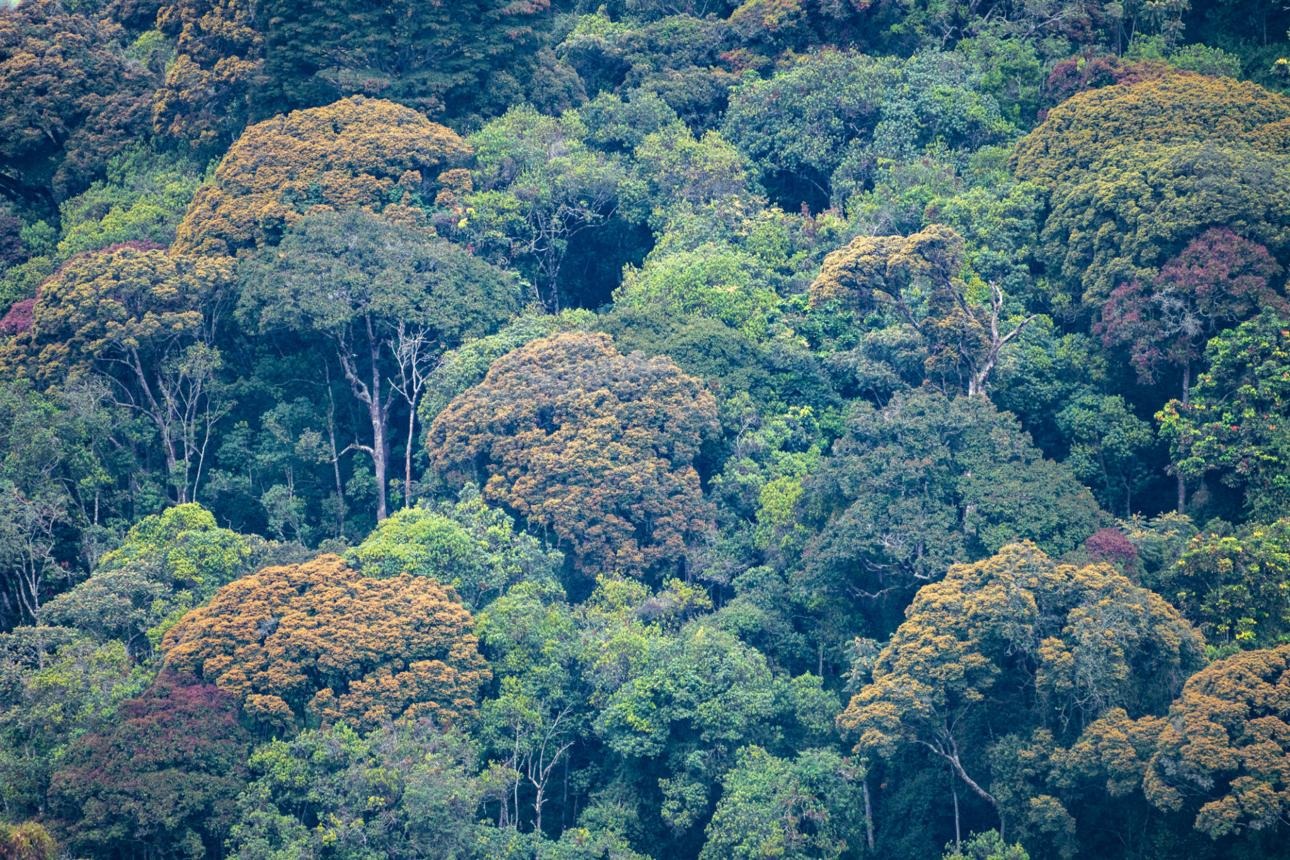
Nyungwe covers approximately 1,019 km² and contains more than 1,100 recorded plant species, 345 bird species and around 85 known mammal species, including 13 primate species. It is also an important water catchment for Rwanda.
The History of Nyungwe: From Ancient Forest to World-Class Conservation Destination
Nyungwe Is Much Older Than Its Tourism Industry
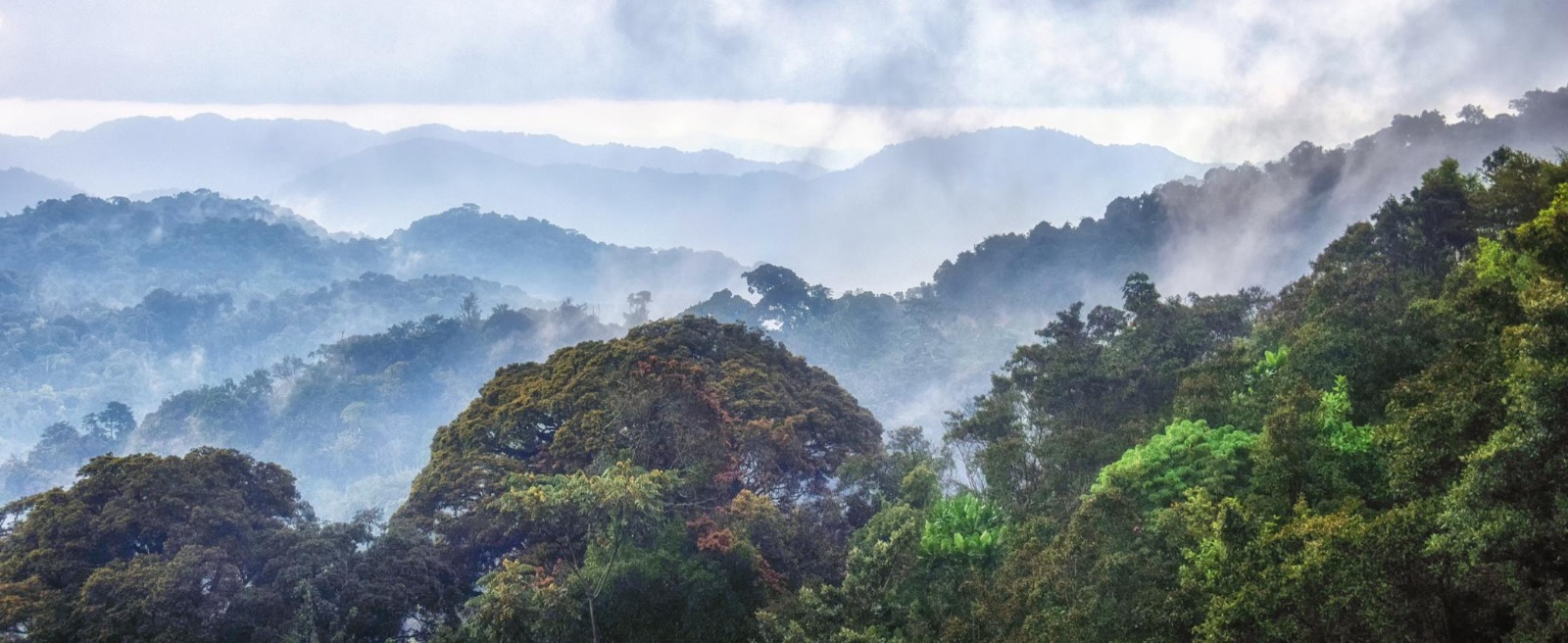
One of the most fascinating things about Nyungwe Forest is that its importance did not begin with tourism.
The forest is one of Africa's oldest surviving rainforests and represents one of the most important remaining blocks of Afromontane forest in the region.
Rwanda's official history records Nyungwe as a natural reserve from 1933, before it became a national park in 2005.
That transition was important because it reflected a growing national commitment to protecting one of Rwanda's most biologically valuable ecosystems.
The forest eventually gained international recognition when UNESCO inscribed Nyungwe National Park as a World Heritage Site in 2023, making it the first Rwandan site to be placed on the UNESCO World Heritage List.
The recognition was not simply about beautiful scenery.
It recognised the forest's exceptional biodiversity, ecological processes and outstanding universal value.
Nyungwe’s Resilience: A Conservation Story That Is Still Being Written
A beautiful forest does not automatically become a successful national park.
Nyungwe has faced serious challenges over the years, including illegal hunting, snares, illegal mining, agricultural pressure, forest degradation and other pressures on biodiversity.
Its conservation story is therefore also a story of resilience.
The Turning Point: Long-Term Management
The objective was much broader than protecting animals.
The partnership focuses on:
- Biodiversity conservation
- Law enforcement
- Scientific monitoring
- Forest restoration
- Sustainable tourism
- Community development
- Employment
- Sustainable economic opportunities
- Long-term financial sustainability
This is important because modern conservation cannot succeed by simply putting a fence around a forest.
The people living around the protected area must also have reasons to value and protect it.
Conservation That Connects Wildlife and Communities
One of the strongest parts of Nyungwe's current conservation model is community involvement.
Nyungwe supports community cooperatives and sustainable enterprises involving activities such as beekeeping, mushroom farming, pig rearing, guiding and community-based tourism.
More than 1,600 people are involved in sustainable economic activities through park-supported cooperatives, benefiting thousands of household members.
The park has also developed a community eco-ranger programme.
Some local people who were previously involved in illegal activities have become part of conservation efforts, helping remove snares and strengthen the relationship between communities and the protected area.
This is one of the most important lessons from Nyungwe:
Conservation becomes stronger when local communities become partners rather than spectators.
A Forest Under Modern Scientific Monitoring
Nyungwe's conservation system is becoming increasingly data-driven.
Camera traps help monitor wildlife and detect illegal activities, while digital systems such as EarthRanger are used to monitor habituated chimpanzee and colobus groups.
According to African Parks' 2024 reporting, approximately 256 chimpanzees were recorded, while more than 6,800 snares were removed in 2024—down from more than 11,000 the previous year.
Forest restoration is also continuing, including regeneration of indigenous trees and efforts to remove invasive or exotic vegetation.
These developments demonstrate that Nyungwe is not simply a beautiful forest being preserved passively.
It is a living conservation project.
Why Chimpanzee Trekking Makes Nyungwe Special
Chimpanzee Trekking in Nyungwe National Park
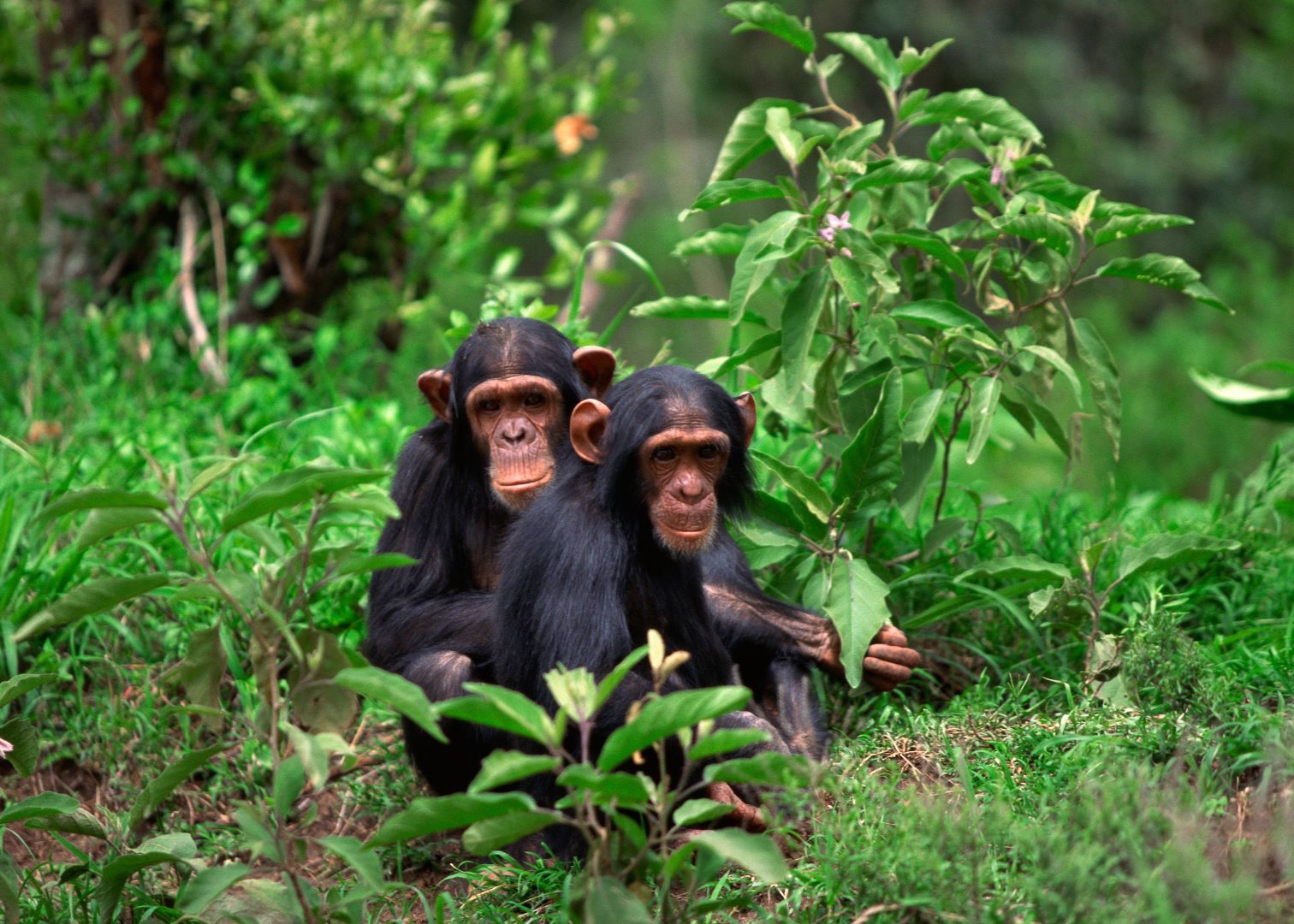
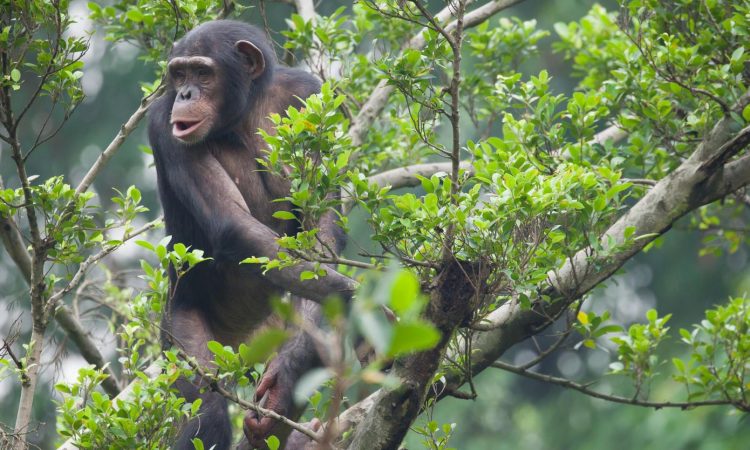
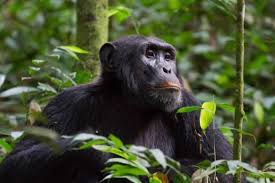
For many visitors, chimpanzee trekking in Nyungwe National Park is the moment when the entire forest suddenly comes alive.
You begin in the cool early morning.
The forest is wet.
Mist may hang between the trees.
Bird calls come from different directions.
Leaves move above you.
Then somewhere in the distance, you hear the unmistakable calls of chimpanzees.
The trackers have already entered the forest.
Their job is to locate the chimpanzee groups and communicate their position to the ranger-guided trekking team.
You follow trails through the forest, sometimes moving relatively quickly because chimpanzees do not remain in one place.
This is one of the biggest differences between chimpanzee trekking and many other wildlife experiences.
The forest is constantly moving.
What Happens During a Chimpanzee Trek?
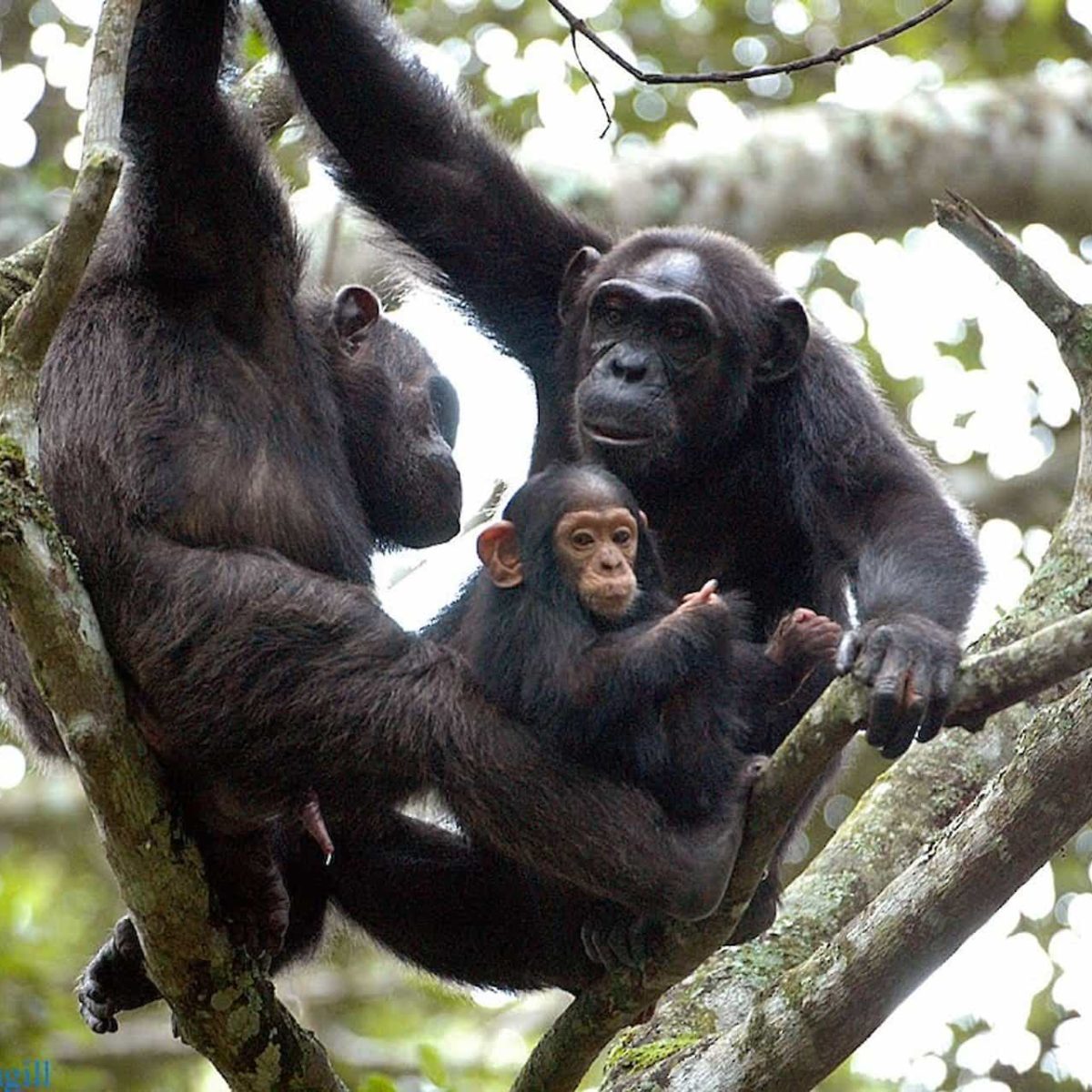
A typical chimpanzee trekking experience involves:
1. Early-Morning Preparation
Chimpanzee tracking begins early because the animals are active after leaving their overnight nests.
Travellers meet their guides and rangers for a briefing before entering the forest.
2. Entering the Rainforest
The trek begins on foot.
You may walk through steep terrain, muddy trails, dense vegetation and forested slopes.
This is not a simple nature walk.
It is a genuine wildlife-tracking experience.
3. Following the Trackers
Experienced trackers move ahead of the group and monitor chimpanzee movements.
The guides interpret the forest around you while the trackers concentrate on locating the animals.
4. Finding the Chimpanzees
Suddenly, the quiet forest can change.
You may hear calls before seeing anything.
Then you may spot a chimpanzee moving through the trees, feeding, climbing, grooming, resting or interacting with other members of its community.
5. Observing the Animals Responsibly
Once chimpanzees are located, visitors follow the park's rules concerning distance, behaviour, photography and time spent with the animals.
The objective is not to control the animals.
It is to enter their environment respectfully.
Why Chimpanzee Trekking Is Different from Gorilla Trekking
Rwanda is famous for gorilla trekking in Volcanoes National Park, but Nyungwe offers a completely different primate adventure.
Gorillas generally live in mountain habitats where tracking often involves searching for a family group that has established a particular range.
Chimpanzees are much more mobile.
They can move rapidly through the forest, climb into the canopy and change direction while feeding.
That makes Nyungwe chimpanzee trekking unpredictable in the best possible way.
Every trek becomes a story.
You do not simply know where the animals will be.
You have to find them.
Nyungwe vs Serengeti vs Masai Mara: Why the Experiences Are Not the Same
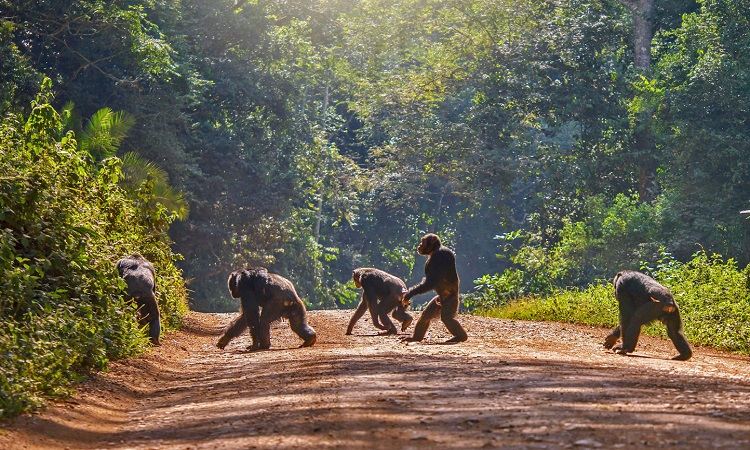
It is important to understand that comparing African parks should not be based only on which one has more famous animals.
Serengeti and Masai Mara: The Great Migration
The Serengeti-Masai Mara ecosystem is famous because millions of wildebeest and other herbivores participate in one of the world's most spectacular wildlife movements.
The Great Migration is an extraordinary natural event.
It is one of the strongest reasons to visit Tanzania or Kenya.
But it is not what Nyungwe tries to compete with.
Nyungwe: The Great Forest Experience
Nyungwe's attraction is biodiversity concentrated inside a mountainous rainforest.
Instead of watching huge herds cross open plains, travellers can experience:
- Chimpanzee trekking
- Colobus monkey encounters
- Albertine Rift birdwatching
- Forest hiking
- Canopy adventures
- Waterfall trails
- Mountain landscapes
- Rare and endemic species
- Ancient rainforest scenery
The experience is quieter, more immersive and more focused on the forest ecosystem.
Nyungwe vs Akagera National Park
Akagera and Nyungwe are both essential parts of a Rwanda safari, but they should not be treated as competitors.
They complement each other.
Akagera Is Rwanda's Savannah Safari
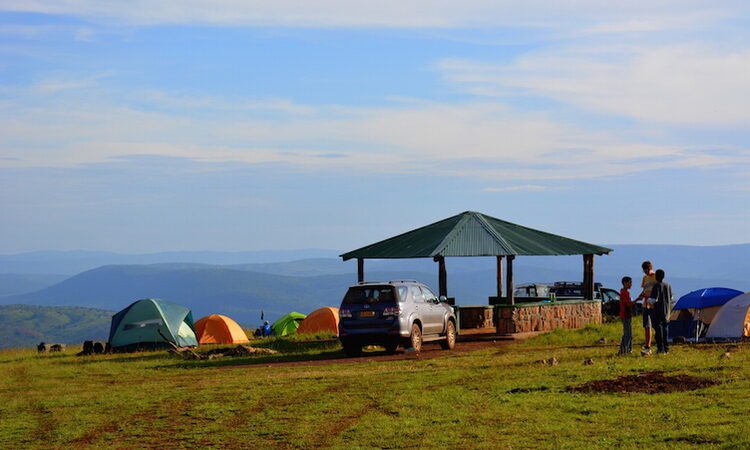
Akagera is where travellers should focus on:
- Big Five wildlife
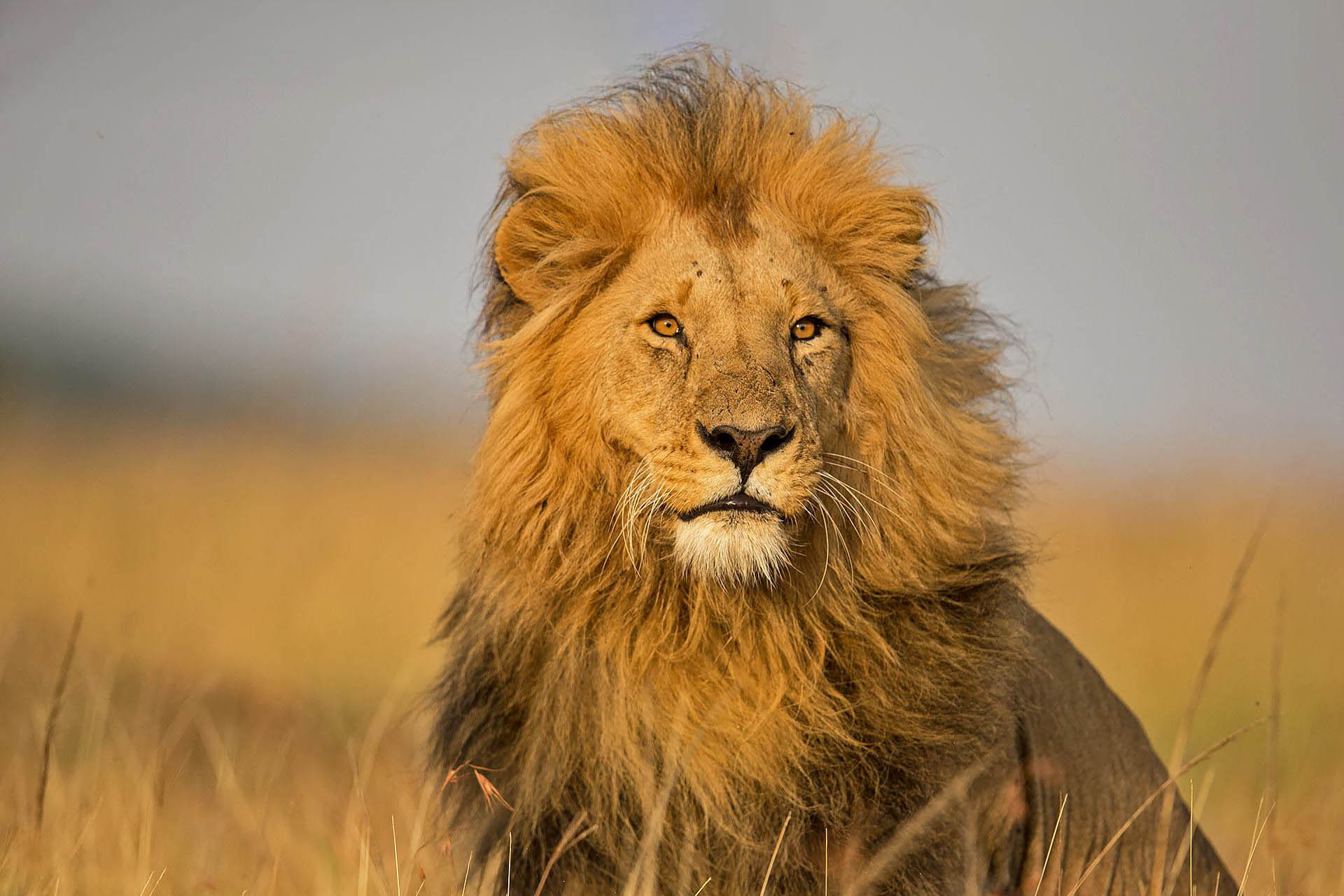
Lions
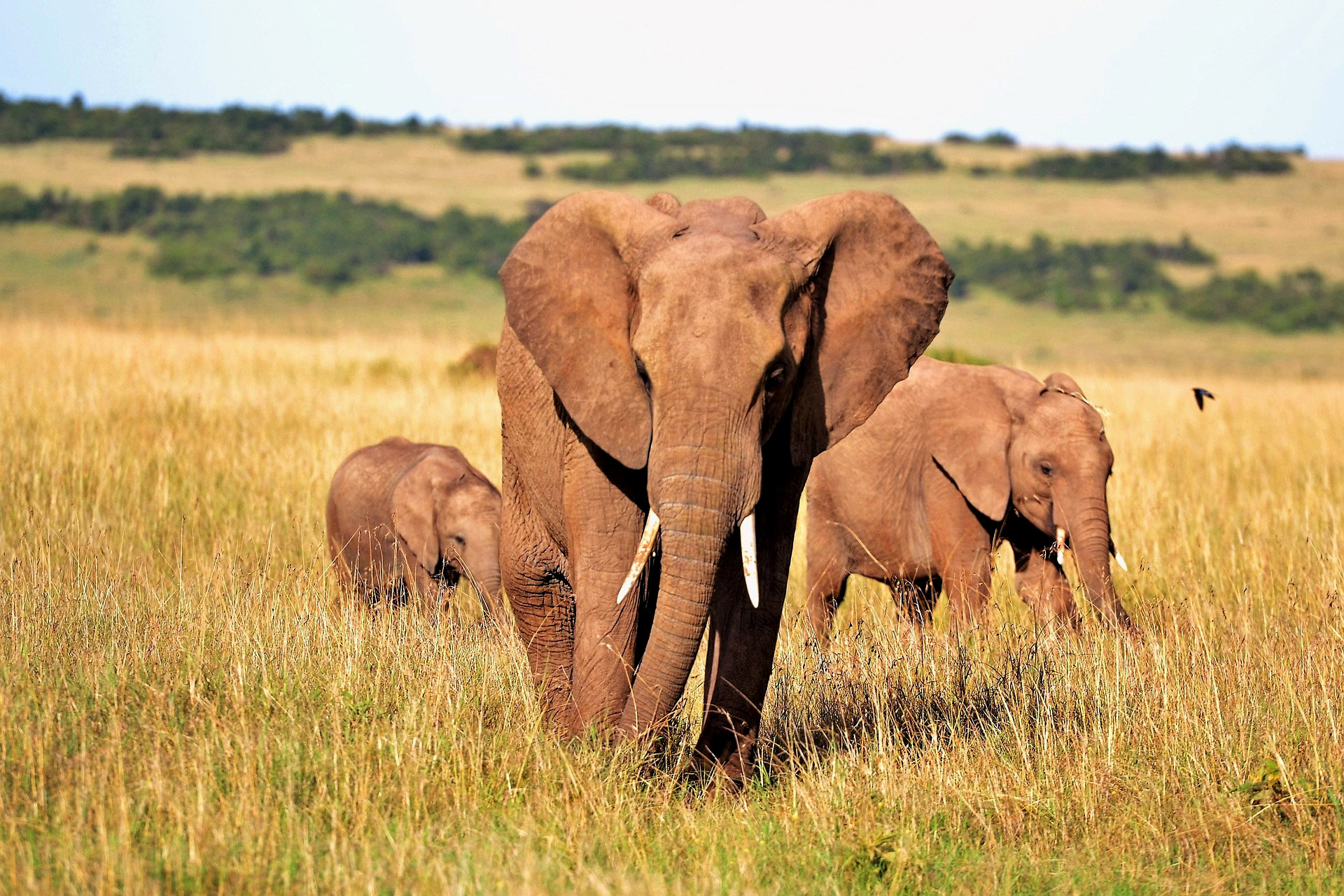
Elephants
Rhinos
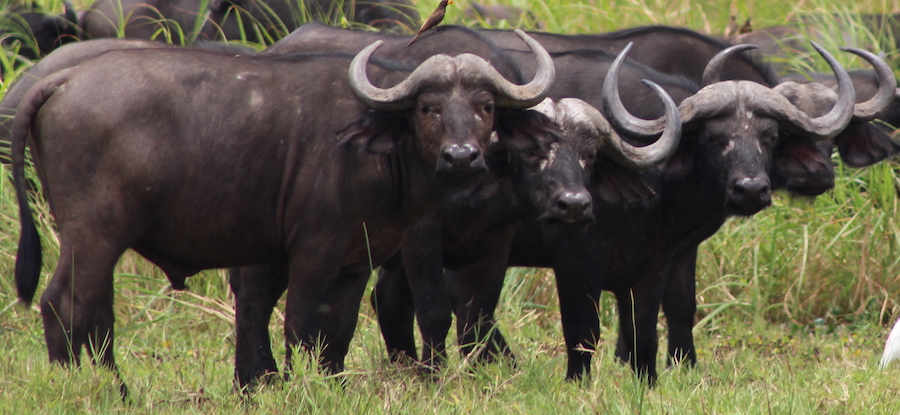
Buffalo
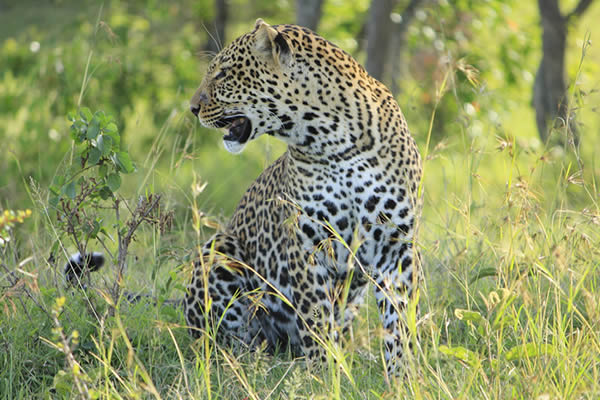
Leopards
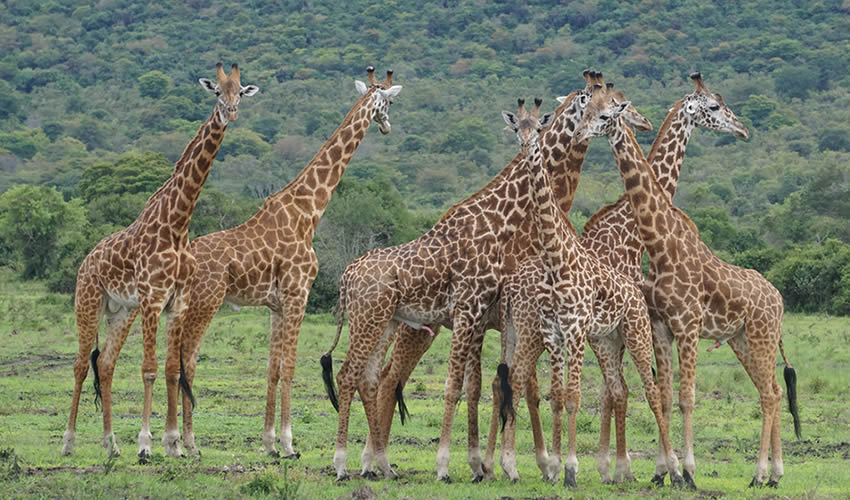
Giraffes
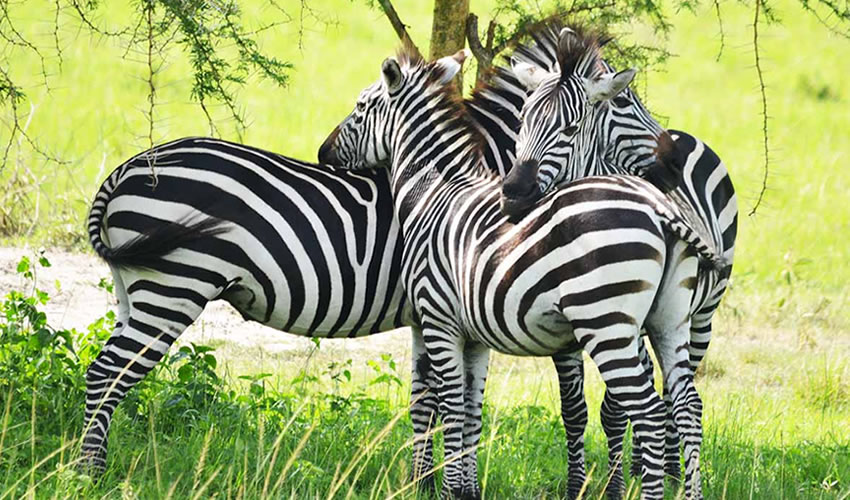
Zebras
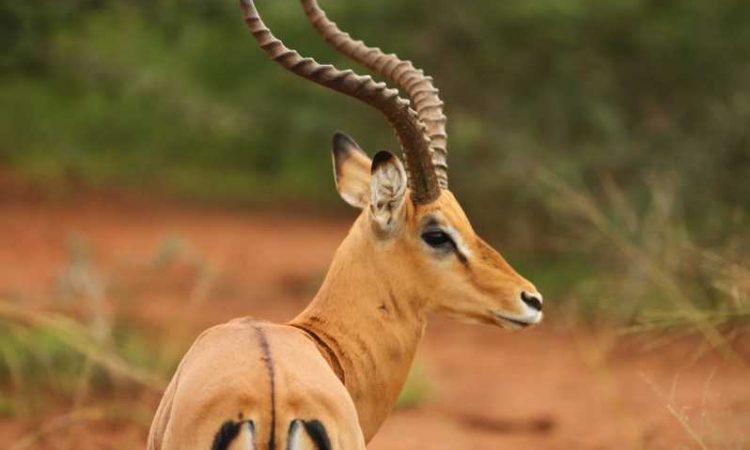
Antelopes
- Savannah game drives
- Boat safaris
- Wetlands and lakes
Nyungwe Is Rwanda's Rainforest Safari
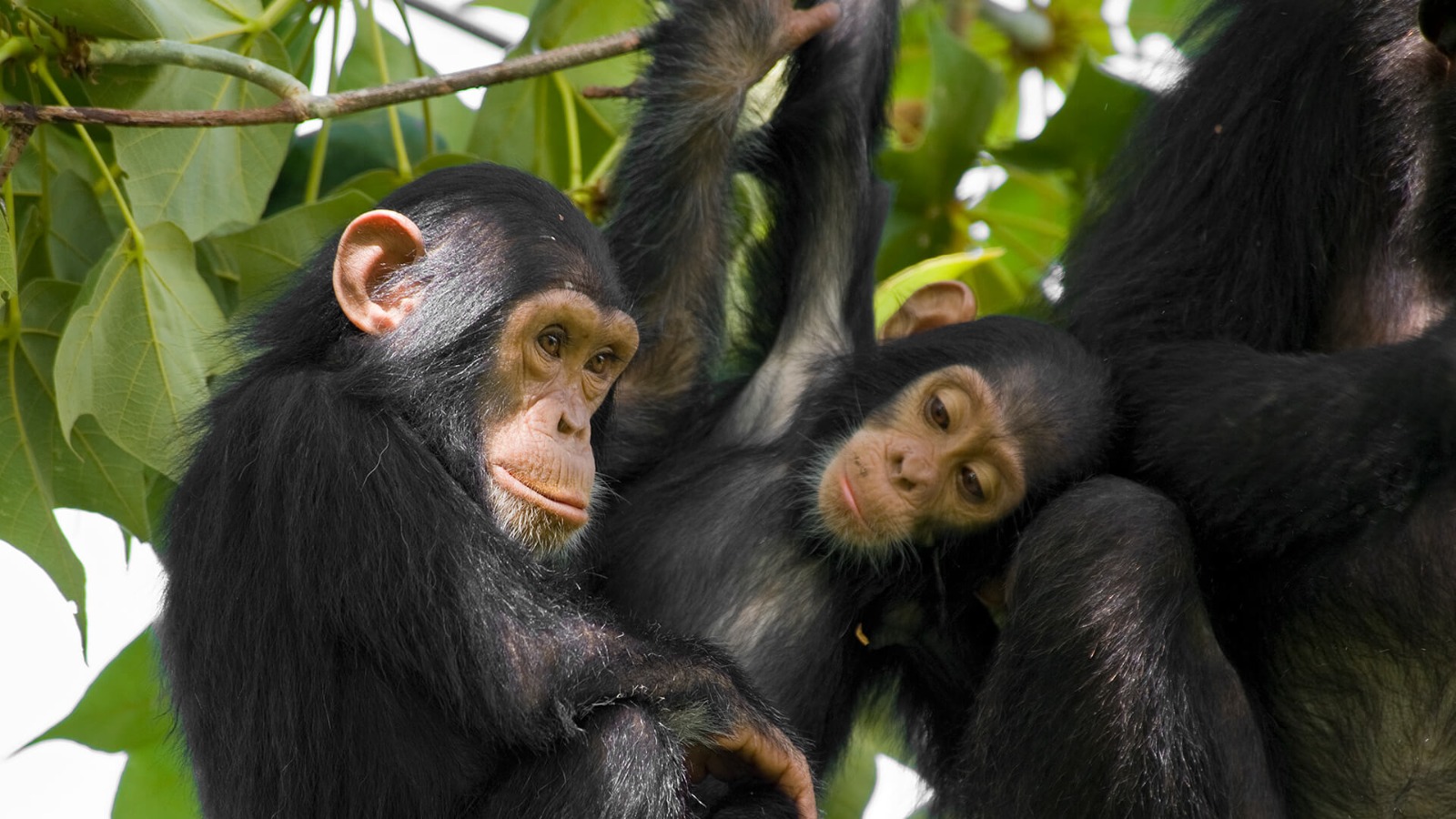
Nyungwe is where travellers should focus on:
- Chimpanzee trekking
- Primates
- Birdwatching
- Canopy experiences
- Hiking
- Waterfalls
- Rainforest scenery
- Biodiversity
- Conservation
The smartest Rwanda itinerary therefore does not ask:
“Akagera or Nyungwe?”
Instead, it asks:
“Why not experience both?”
A traveller can combine Akagera's savannah wildlife with Nyungwe's rainforest primates and Volcanoes National Park's mountain gorillas for an exceptionally diverse Rwanda safari.
Game Drive Strategy: Why Nyungwe Requires a Different Approach
Do Not Plan Nyungwe Like a Savannah Game-Drive Park
This is one of the most important planning points.
If your main objective is a traditional African game drive where you spend hours searching for lions, elephants and large herds, Akagera is the better choice in Rwanda.
Nyungwe is primarily a walking, primate and forest-exploration destination.
Driving through the park is still valuable.
The road crossing the forest gives travellers opportunities to enjoy:
- Forest landscapes
- Birdlife
- Primates
- Scenic viewpoints
- Mountain scenery
- Photography
But the vehicle is not the main wildlife-viewing tool.
The Best Nyungwe Strategy
For the best experience:
Start with chimpanzee trekking.
Then add:
Canopy Walkway + waterfall/hiking trail + birdwatching or another primate experience.
For travellers staying longer, consider:
Chimpanzees + canopy + waterfall + forest trail + birdwatching + cultural/community experience.
This strategy uses Nyungwe for what it does best.
Things to Do in Nyungwe National Park Beyond Chimpanzee Trekking
Chimpanzee trekking may be the headline attraction, but it is only the beginning.
1. Nyungwe Canopy Walkway
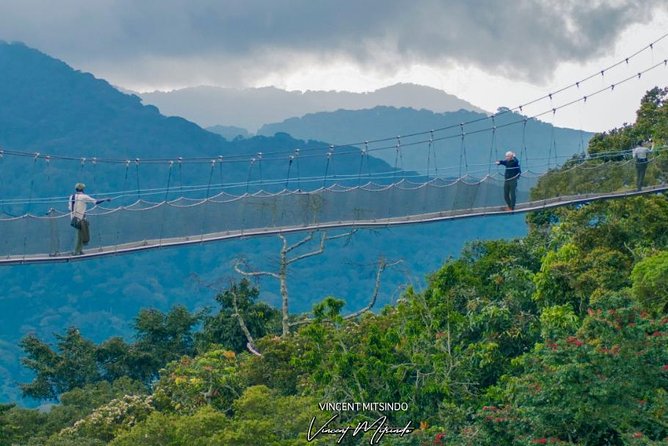
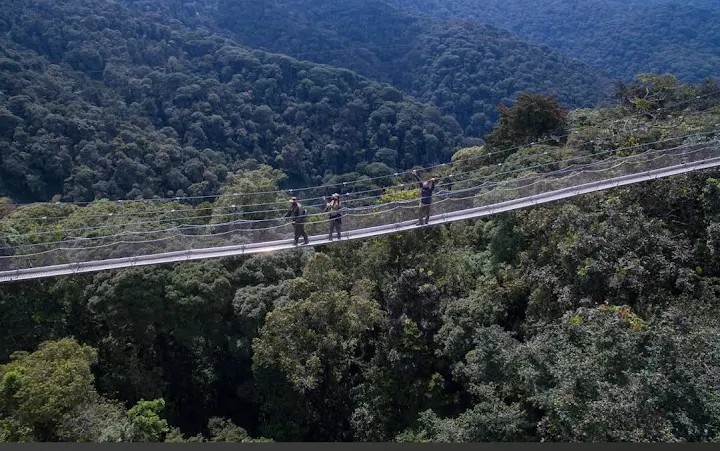
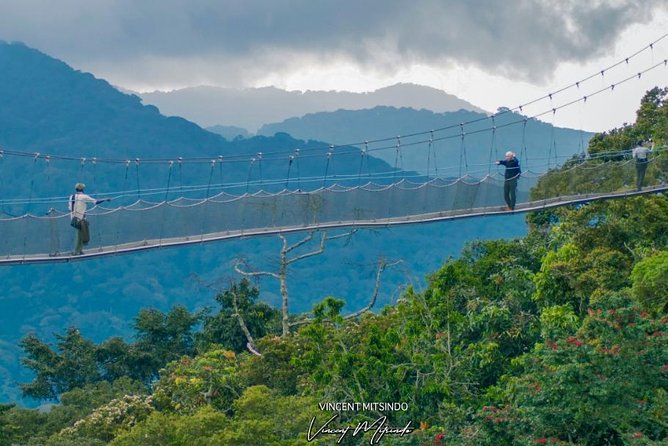
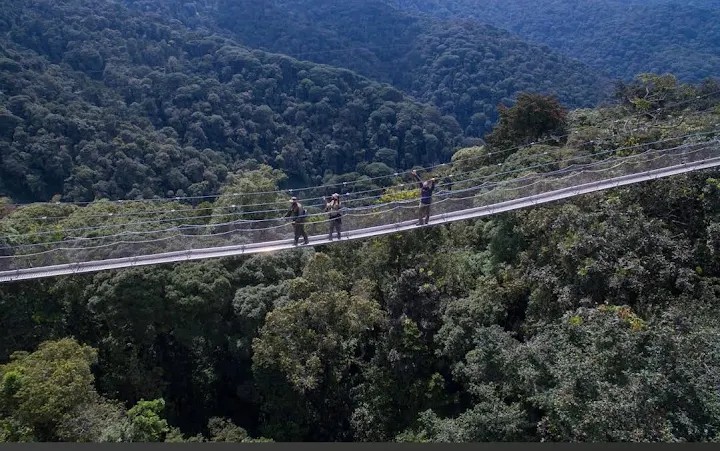
The Nyungwe Canopy Walkway is one of Rwanda's most memorable forest experiences.
Suspended above the rainforest, the walkway gives visitors a completely different perspective of Nyungwe.
Instead of looking up at the trees from the forest floor, you are suddenly standing among them.
The official Rwanda tourism guide describes three suspension bridges positioned around 70 metres above the forest floor and stretching more than 120 metres in total.
From above, travellers can look across:
- Forest-covered mountains
- Misty valleys
- Tree canopies
- Birds
- Primates
- Dramatic rainforest scenery
For photographers, it is an exceptional viewpoint.
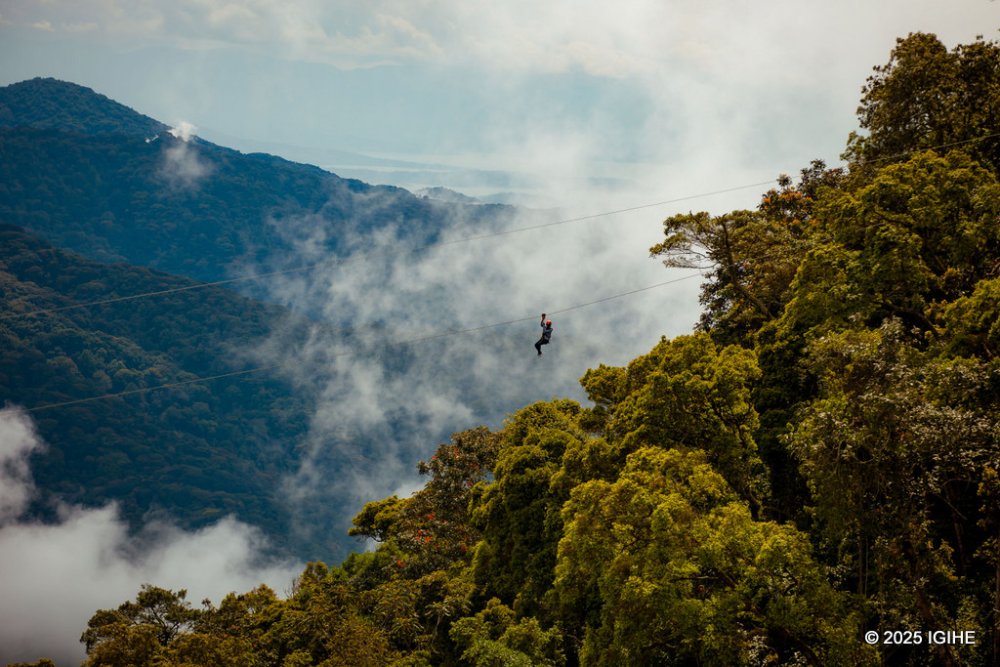
2. Nyungwe Canopy Zipline
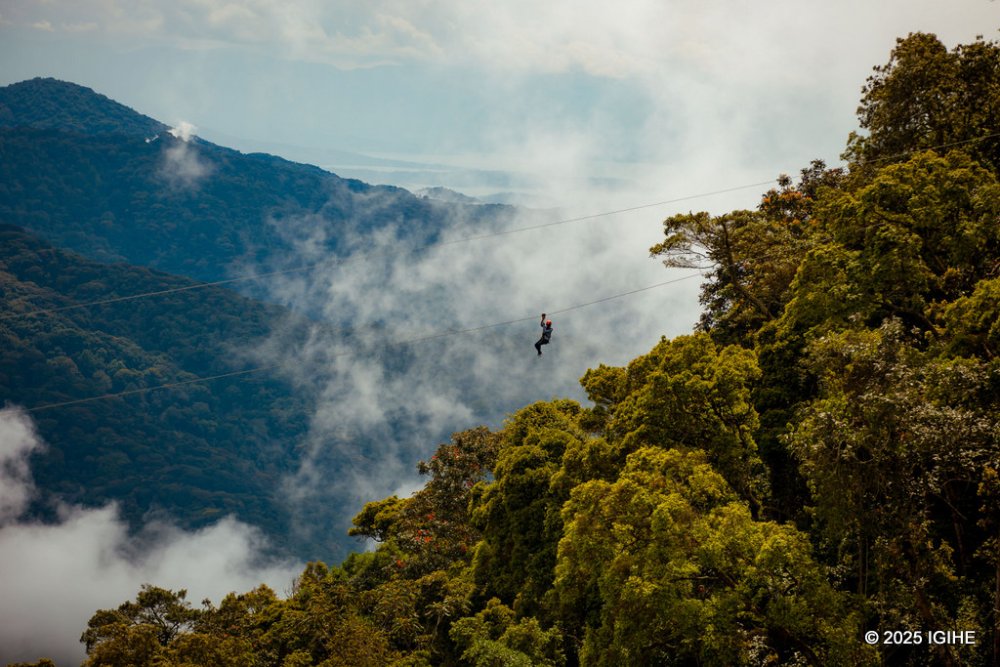
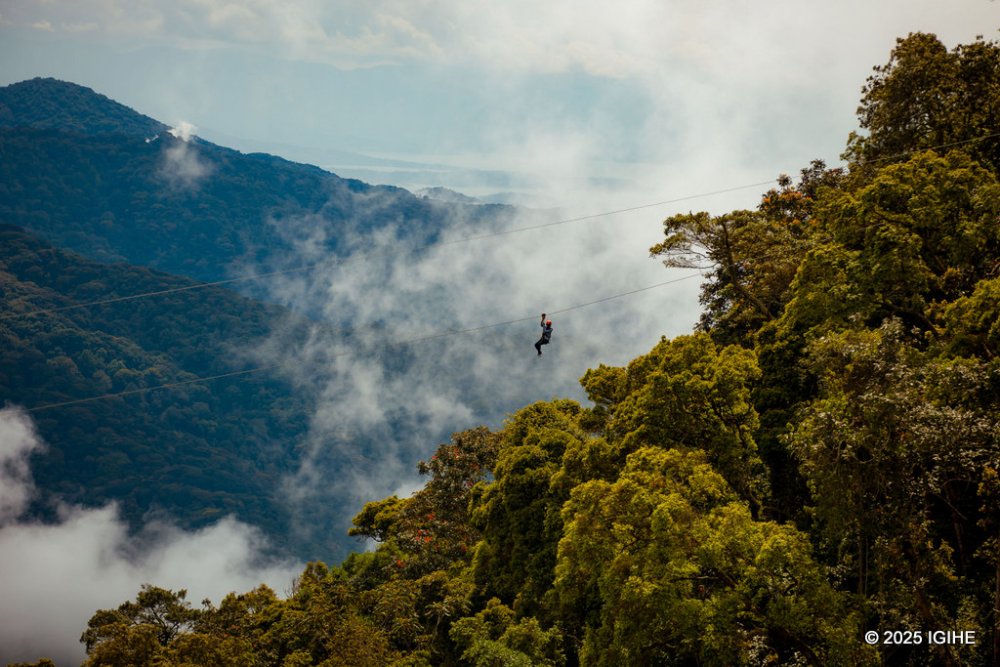
Nyungwe became even more exciting with the opening of its Canopy Zipline in 2025.
The zipline stretches approximately 1,935 metres, making it one of Africa's longest.
Beginning at the Uwinka Visitor Centre, the experience is divided into three sections and gives travellers an aerial perspective over the rainforest.
Imagine leaving the forest floor and flying above the treetops while misty mountains surround you.
That is not a conventional safari.
It is adventure tourism inside a conservation landscape.
3. Waterfall Hiking in Nyungwe
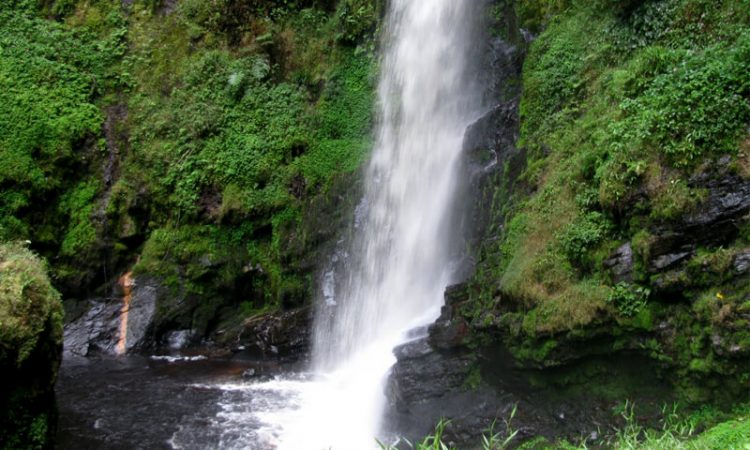
Nyungwe's waterfalls add another dimension to the park.
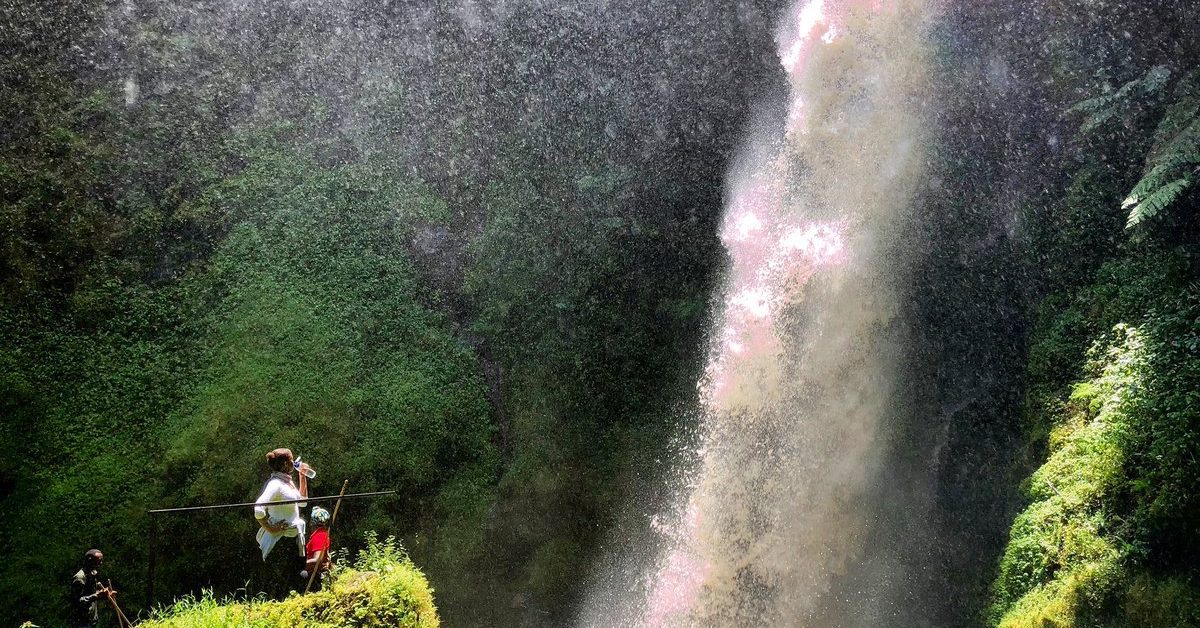
Kamiranzovu Waterfall
The Kamiranzovu area is associated with one of the park's most impressive waterfall experiences.
The surrounding forest, marshland and mountain environment create a completely different atmosphere from Rwanda's savannah parks.
Ndambarare Waterfall
The Ndambarare experience combines forest and tea-country scenery and offers travellers a rewarding walking experience.
For visitors who love hiking, waterfalls and photography, these trails are an excellent reason to spend more than one day in Nyungwe.
4. Birdwatching
Nyungwe is a paradise for bird lovers.
More than 300 bird species are recorded in the forest, including species associated with the Albertine Rift.
For serious birdwatchers, Nyungwe is not simply an optional side trip.
It can be a major reason for visiting.
Bring binoculars, move slowly and allow your guide time to identify calls and movement in the canopy.
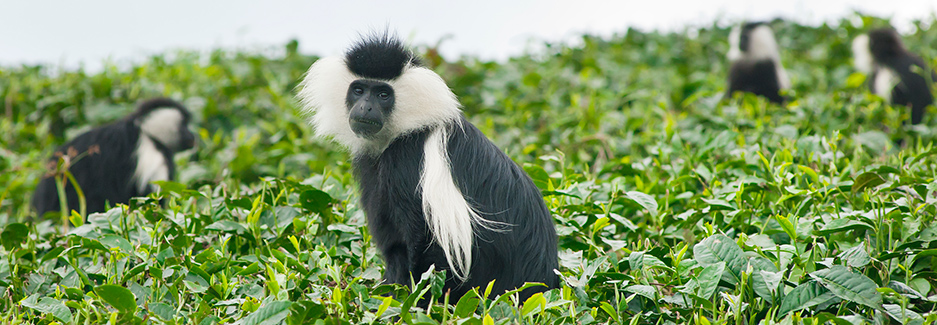
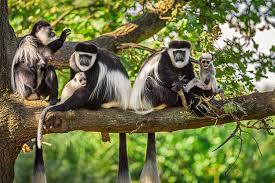
5. Colobus and Other Primate Experiences
Nyungwe's chimpanzees share the forest with an extraordinary collection of primates.
Depending on location and conditions, visitors may encounter:
- Ruwenzori black-and-white colobus
- L'Hoest's monkeys
- Blue monkeys
- Red-tailed monkeys
- Vervet monkeys
- Olive baboons
- Other forest primates
The park's 13 recorded primate species make it one of Africa's most important primate landscapes.
6. Tea and Community Experiences
The landscapes surrounding Nyungwe also connect naturally with Rwanda's tea culture.
Travellers can combine forest exploration with visits around tea-growing areas and community tourism initiatives.
This creates a more complete experience:
forest + wildlife + people + agriculture + conservation.
That combination is one of the best ways to understand southwestern Rwanda.
A Beautiful 2-Day Nyungwe Chimpanzee Trekking Safari from Kigali
For travellers who have enough time, we strongly recommend two days rather than trying to rush Nyungwe into a single day.
The distance from Kigali is substantial, and spending a night near the park makes the experience more comfortable and gives you more time inside the forest.
Day 1: Kigali – Nyungwe National Park – Forest Adventure
Early Morning: Depart Kigali
Meet your professional driver-guide early in Kigali.
Leave the city and begin the scenic journey toward southwestern Rwanda.
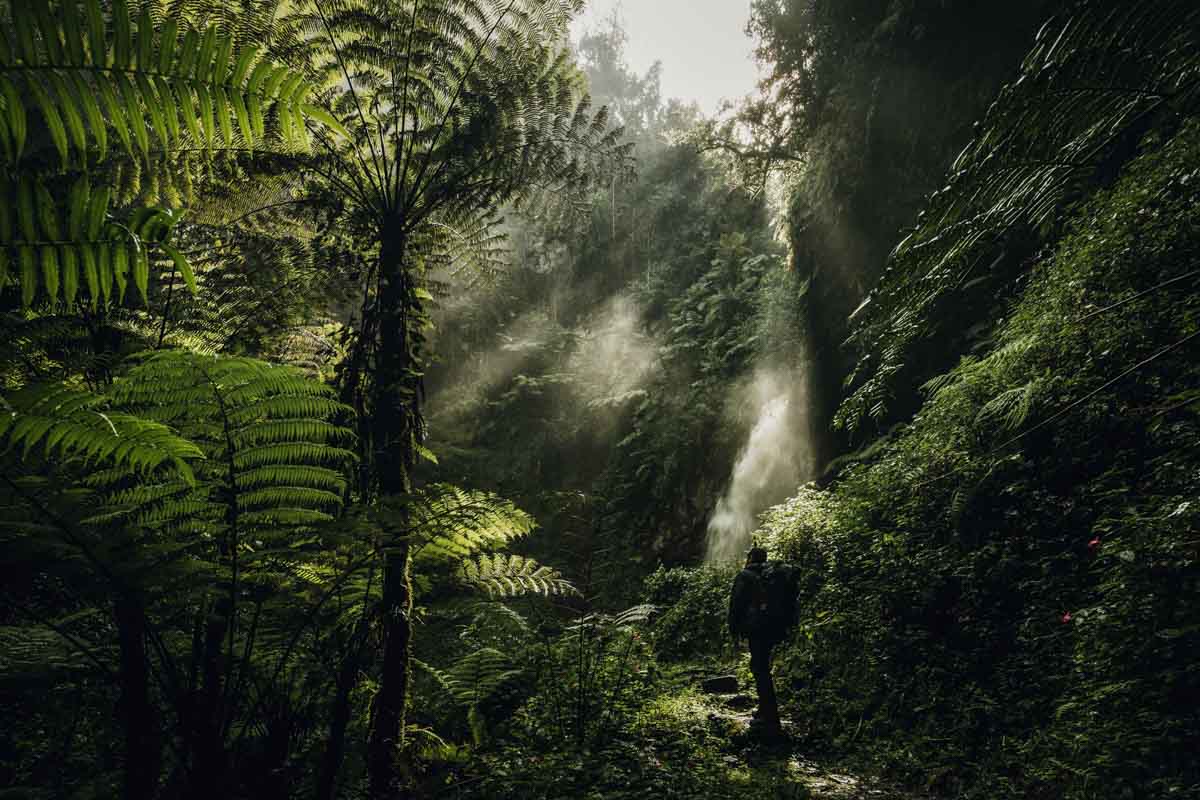
The drive itself becomes part of the adventure as the landscape changes from Kigali's urban environment into Rwanda's green hills, agricultural countryside and eventually the mountainous rainforest region.
En Route: Scenic and Cultural Stops
Depending on timing, the journey can include selected stops for:
- Photography
- Local scenery
- Tea landscapes
- Lunch
- Cultural points of interest
Afternoon: Arrive at Nyungwe
Check into your selected accommodation.
After settling in, enjoy a relaxed afternoon rather than immediately undertaking an exhausting activity.
If time and park schedules allow, take a short forest walk or enjoy the surrounding scenery.
Evening: Prepare for Chimpanzee Trekking
Your guide helps you prepare for the following morning.
Have an early dinner.
Prepare:
- Hiking boots
- Rain jacket
- Long trousers
- Water
- Camera
- Binoculars
- Small backpack
Then rest.
The next morning starts early.
Day 2: Chimpanzee Trekking – Canopy Walkway – Kigali
Early Morning: Chimpanzee Trekking
Wake before sunrise.
After breakfast or a prepared early meal, proceed to the relevant park reception and meet your ranger and tracking team.
The exact meeting point depends on the chimpanzee trekking allocation and current park operations.
Enter the Forest
Follow the trackers into Nyungwe.
Listen carefully.
Watch the trees.
Look for movement.
The experience is not simply about finding chimpanzees—it is about learning how an entire rainforest functions.
Chimpanzee Encounter
When the chimpanzees are located, follow the ranger's instructions and observe them responsibly.
This may be the most memorable moment of the safari.
Midday: Lunch and Rest
After trekking, have lunch and take some time to recover.
Afternoon: Canopy Walkway
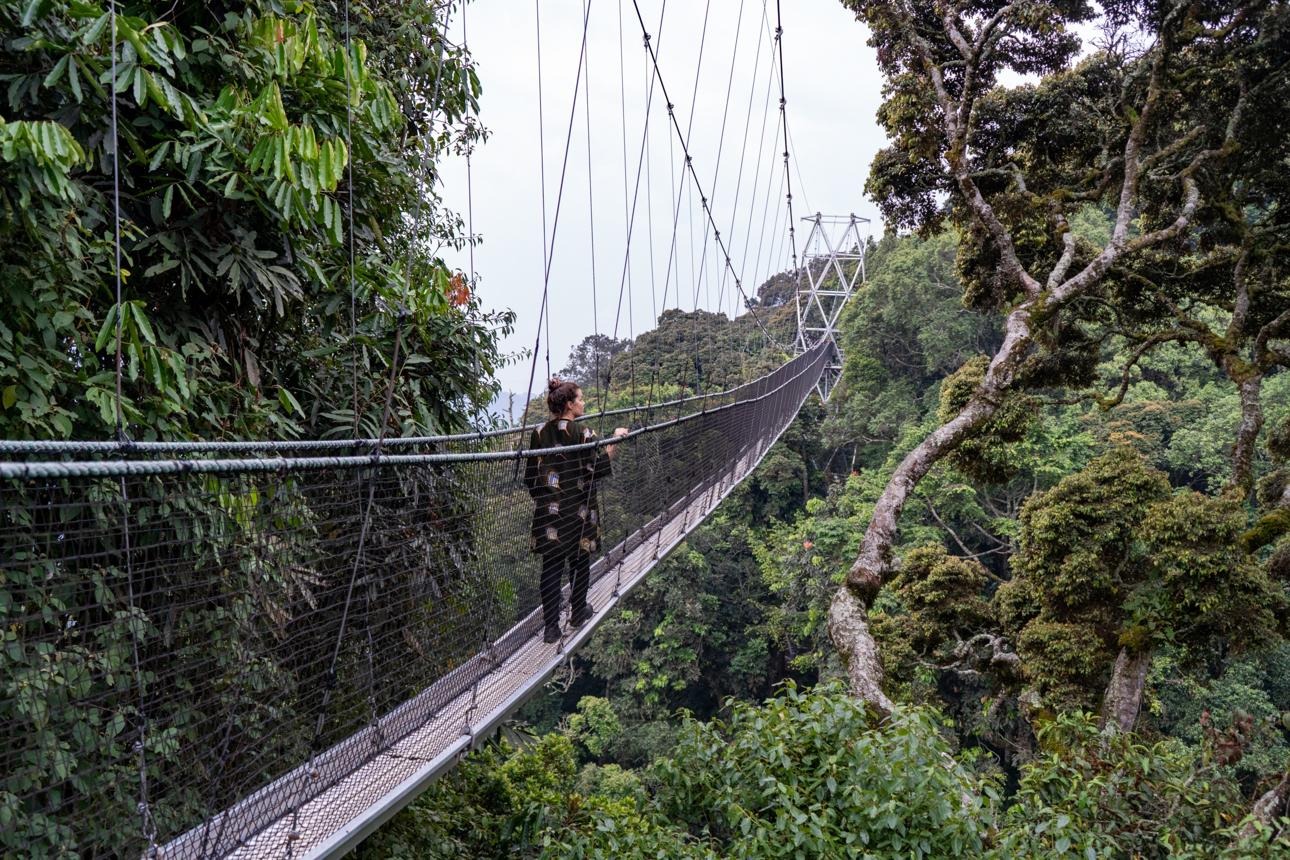
Continue to the canopy walkway if your schedule and activity booking permit.
Walk above the forest.
Look for birds.
Search the canopy for primates.
Enjoy the mountains disappearing into the mist.
Late Afternoon: Begin the Journey to Kigali
Start the return journey.
Depending on road conditions and activity timing, arrival in Kigali will be later in the evening.
Why We Recommend Two Days
A two-day Nyungwe itinerary gives you:
- Less rushing
- Better rest
- More time in the forest
- Greater flexibility
- A better chance to enjoy the scenery
- An opportunity to combine chimpanzee trekking with another activity
Can You Visit Nyungwe in One Day from Kigali?
Yes—but It Is a Very Long Day
A one-day Nyungwe tour from Kigali is possible, but travellers must understand what it means.
Nyungwe is approximately 225 km from Kigali, and the drive can take around 5–7 hours depending on route and conditions.
Therefore, a one-day tour requires a very early departure and careful activity planning.
For travellers with limited time, we recommend choosing one strong activity combination rather than attempting everything.
One-Day Nyungwe Zipline and Canopy Walkway Itinerary from Kigali
03:00–04:00 – Pick-Up in Kigali
Your professional driver-guide meets you at your hotel or agreed location.
Begin the journey toward Nyungwe.
Early Morning – Scenic Drive
Travel through Rwanda's countryside toward the southwest.
A packed breakfast can help save time.
Morning – Arrive at Uwinka Area
Proceed according to the day's confirmed park activity schedule.
Canopy Zipline
Experience the Nyungwe Canopy Zipline, which stretches approximately 1,935 metres above the rainforest.
Enjoy the extraordinary view of the forest from above.
Canopy Walkway
Continue to the suspended canopy walkway, subject to activity timing and availability.
Walk among the treetops and enjoy panoramic views across the forest.
Lunch
Take a well-earned lunch break.
Afternoon – Short Forest or Waterfall Experience
If time permits, add a short hiking experience rather than attempting a long trail.
Afternoon/Evening – Return to Kigali
Begin the long drive back to Kigali.
Important Planning Note
A one-day Nyungwe adventure is best for travellers with limited time.
For chimpanzee trekking, we strongly prefer the two-day itinerary because the trek requires an early start and the long Kigali-Nyungwe road journey can make a same-day return extremely demanding.
Activity schedules should always be confirmed before travel.
Where to Stay in Nyungwe National Park
Accommodation is another reason to consider staying overnight.
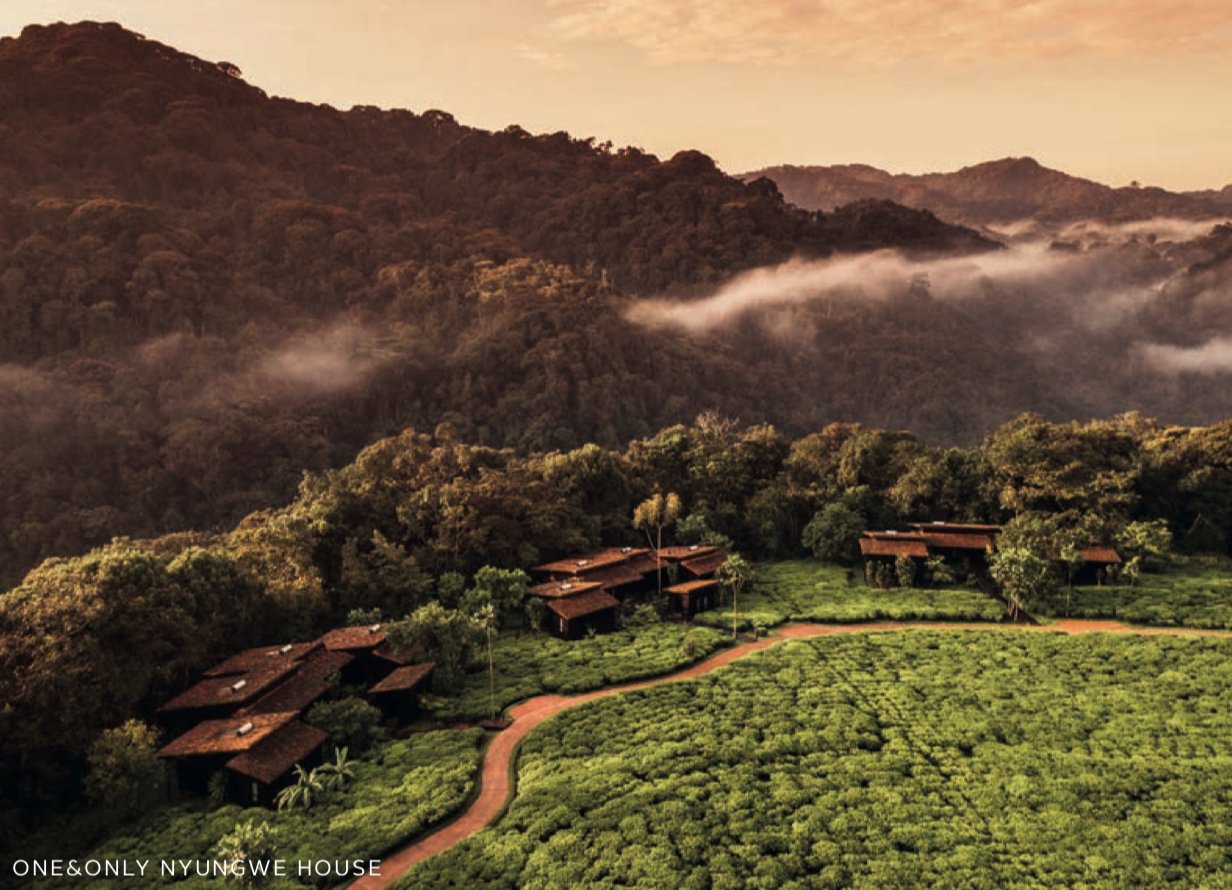
One&Only Nyungwe House
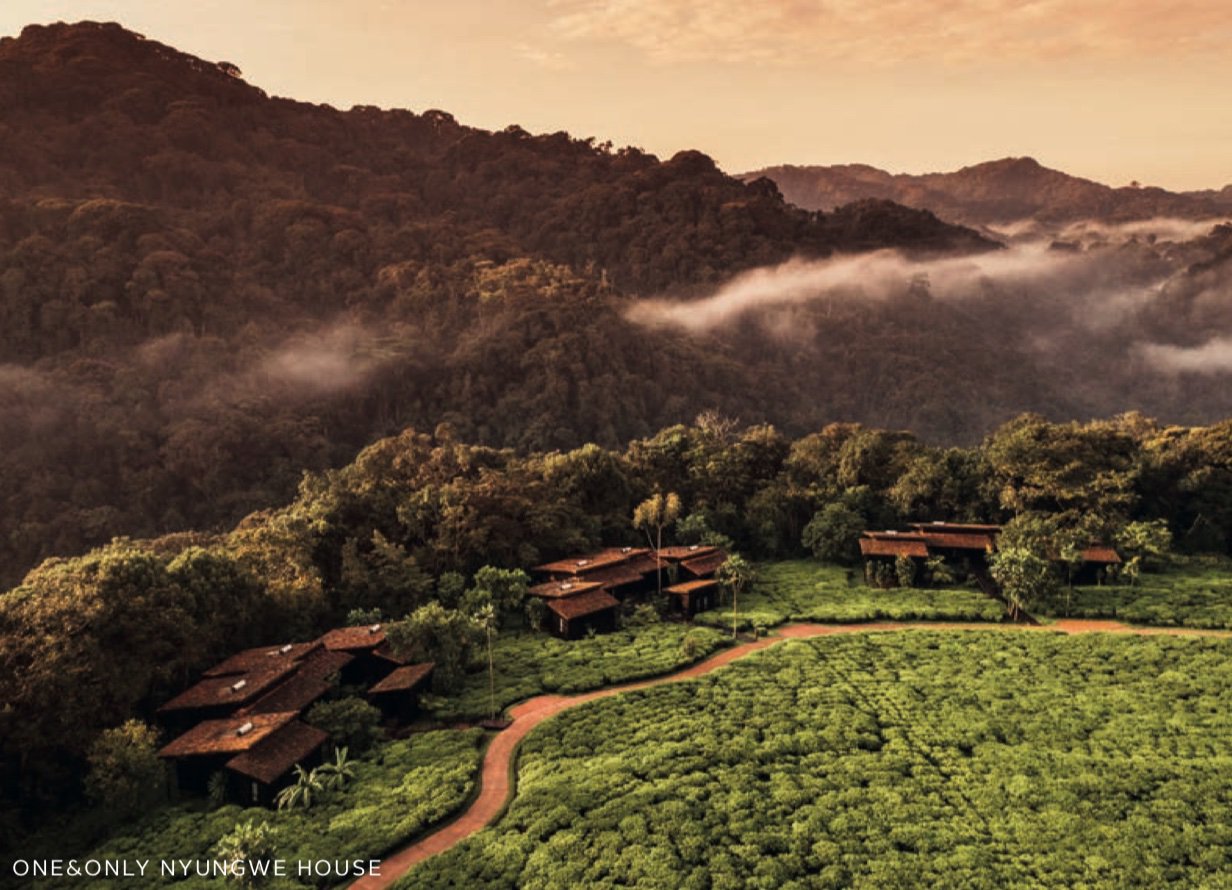
One of the most prestigious accommodation options in the Nyungwe area, One&Only Nyungwe House offers a high-end rainforest experience associated with luxury, comfort and immersion in the forest environment.
It is particularly suitable for travellers looking for:
- Luxury
- Privacy
- Premium service
- Romantic stays
- Honeymoons
- High-end Rwanda safari experiences
Munazi Eco Lodge
Munazi Eco Lodge is one of Nyungwe's newer tourism developments.
Opened as part of the park's expanding eco-tourism offering, it combines accommodation with a strong sustainability and community-oriented concept.
Its forest setting makes it particularly attractive to travellers who want to stay close to the Nyungwe experience.
Uwinka Campsite and Guesthouse
For travellers who prefer a more straightforward and nature-focused stay, Uwinka offers accommodation and camping options associated with the park.
This can be useful for travellers who prioritise location and access to forest activities over luxury.
Gisakura Accommodation
Gisakura is another practical base near the western side of Nyungwe.
It is useful for travellers planning activities around the Gisakura side of the park.
Accommodation Outside the Park
Travellers can also stay outside Nyungwe, depending on their itinerary.
Emeraude Kivu Resort
For travellers combining Nyungwe with Lake Kivu or Rusizi, Emeraude Kivu Resort provides a comfortable option outside the park.
It is particularly useful when the itinerary combines:
Nyungwe + Lake Kivu + Rusizi/Cyangugu.
Why Choose Accommodation Outside the Park?
Staying outside can provide:
- More accommodation choices
- Different price levels
- Lake Kivu experiences
- Access to local towns
- More flexibility for longer Rwanda itineraries
However, if the primary purpose of your trip is chimpanzee trekking, staying closer to the park is usually more convenient.
The Best Time to Visit Nyungwe in 2026–2027
Nyungwe is a rainforest.
That means rain is part of the experience.
The forest can be wet, misty and cool even when other parts of Rwanda are experiencing different conditions.
For chimpanzee trekking, the most important consideration is not simply finding the “perfect” month.
It is being prepared for changing forest conditions.
Rain can make trails slippery, but it can also make the rainforest more atmospheric and beautiful.
If your priority is chimpanzees, birds, hiking and photography, Nyungwe can be rewarding throughout the year.
What to Pack for a Nyungwe Chimpanzee Safari
Essential Clothing
Bring:
- Lightweight long trousers
- Long-sleeved shirts
- Waterproof jacket
- Comfortable hiking boots
- Extra socks
- Light fleece or warm layer
- Hat
- Waterproof backpack cover
Wildlife and Photography Equipment
Consider bringing:
- Binoculars
- Camera
- Extra batteries
- Memory cards
- Lens cloth
- Waterproof camera protection
Personal Items
Bring:
- Reusable water bottle
- Personal medication
- Sunscreen
- Insect repellent
- Small backpack
- Hand sanitiser
- Snacks where permitted
Rwanda’s Plastic Policy: Travel Responsibly
Responsible travel begins before you enter Nyungwe.
Rwanda has strict environmental policies concerning plastic.
Plastic bags have been banned in Rwanda since 2008, and national legislation also prohibits plastic carry bags and single-use plastic items, subject to defined exceptions.
Travellers should therefore not arrive with disposable plastic shopping bags or unnecessary single-use plastic packaging.
Instead, bring a reusable bottle such as:
Stainless-Steel Reusable Water Bottle
A durable stainless-steel bottle is an excellent safari choice.
Reusable BPA-Free Hard Water Bottle
A strong reusable travel bottle can also work well.
Insulated Reusable Bottle
Useful for keeping drinking water cool during long journeys.
The important point is:
Bring a durable reusable bottle rather than relying on disposable single-use plastic bottles.
Always follow the latest instructions provided by your safari operator and park management.
Why Choose Seek Wild Africa for Your Nyungwe Safari?
A successful Nyungwe experience is not simply about booking a permit.
The journey requires coordination.
At Seek Wild Africa, we help travellers turn the idea of visiting Nyungwe into a practical and well-organised Rwanda safari.
We Help You Plan the Right Itinerary
Not every traveller needs the same Nyungwe experience.
We can help organise:
- One-day Nyungwe excursions
- Two-day chimpanzee trekking safaris
- Chimpanzee trekking and canopy combinations
- Canopy walkway experiences
- Nyungwe zipline adventures
- Waterfall hikes
- Forest hiking
- Birdwatching experiences
- Primate experiences
- Nyungwe + Akagera combinations
- Nyungwe + Volcanoes National Park combinations
- Nyungwe + Lake Kivu itineraries
- Longer Rwanda safari circuits
We Help With Transport
The journey from Kigali to Nyungwe is long.
Having a reliable vehicle and experienced professional driver-guide makes a major difference.
Our team helps travellers manage:
- Kigali pick-up
- Long-distance transfers
- Park transfers
- Activity timing
- Accommodation transfers
- Return journeys
- Multi-park Rwanda itineraries
We Help You Travel at the Right Pace
One of the biggest mistakes travellers make is trying to fit too much into one day.
We help determine whether you should choose:
1 day
for a fast adventure,
2 days
for a comfortable chimpanzee experience,
or
3+ days
for travellers who want to combine chimpanzees, hiking, waterfalls, birdwatching, canopy adventures and community experiences.
We Help Connect the Whole Rwanda Safari
If you want the complete Rwanda experience, we can combine Nyungwe with:
Akagera National Park for Big Five and savannah wildlife,
Volcanoes National Park for mountain gorilla and golden monkey experiences,
Lake Kivu for lakeside relaxation,
and Kigali for culture, history and city experiences.
This creates a Rwanda safari that is much more diverse than visiting a single park.
Why Nyungwe Should Be on Your 2026–2027 Rwanda Travel List
The strongest argument for Nyungwe is not that it is trying to become another Serengeti.
It is not.
Nyungwe is valuable because it offers something the Serengeti, Masai Mara and Akagera cannot offer in exactly the same way.
It is an ancient rainforest.
It is a chimpanzee kingdom.
It is an Albertine Rift biodiversity hotspot.
It is a mountain forest filled with primates and birds.
It is a place where you can walk above the canopy.
It is a place where waterfalls hide among enormous trees.
It is a place where conservation, tourism and community development are increasingly connected.
And it is a place where the journey itself becomes part of the adventure.
Final Verdict: Is Nyungwe One of Africa’s Best National Parks to Visit in 2026–2027?
Yes—if we judge the park for what it actually offers.
Nyungwe should not be measured against the Serengeti only by the number of large mammals seen from a safari vehicle.
- It should be measured as one of Africa's outstanding rainforest, primate, biodiversity and conservation destinations.
- Its history demonstrates resilience.
- Its biodiversity demonstrates exceptional ecological value.
- Its UNESCO World Heritage status demonstrates international recognition.
- Its conservation programmes demonstrate long-term commitment.
- Its chimpanzee trekking provides a genuinely thrilling wildlife experience.
- Its canopy walkway provides a rare perspective above the rainforest.
- Its new zipline adds a modern adventure dimension.
- Its waterfalls and hiking trails provide active exploration.
- Its community programmes demonstrate that conservation can create opportunities for people as well as wildlife.
And its location allows travellers to combine it with Rwanda's other extraordinary destinations.
For someone planning an African adventure in 2026 or 2027, Nyungwe is not simply an optional extra.
It is a destination worth travelling for.
Plan Your Nyungwe Adventure with Seek Wild Africa
Whether you want to wake before sunrise to search for chimpanzees, walk high above an ancient rainforest, fly across the canopy on the Nyungwe Zipline, hike to a hidden waterfall, watch Albertine Rift birds, or combine Nyungwe with Akagera, Volcanoes National Park and Lake Kivu, Seek Wild Africa can help organise the experience.
From permits and transport to accommodation, professional driver-guides, activity coordination and complete Rwanda safari itineraries, we help travellers experience Nyungwe safely, comfortably and responsibly.
Your Nyungwe adventure can begin with a single decision: explore the forest.
Explore Nyungwe National Park with Seek Wild Africa and discover one of Africa's most remarkable rainforest safari experiences in 2026–2027.