Gorilla Families in Rwanda: Understanding Mountain Gorilla Groups in Volcanoes National Park IN 2027
September 23, 2026Clementine
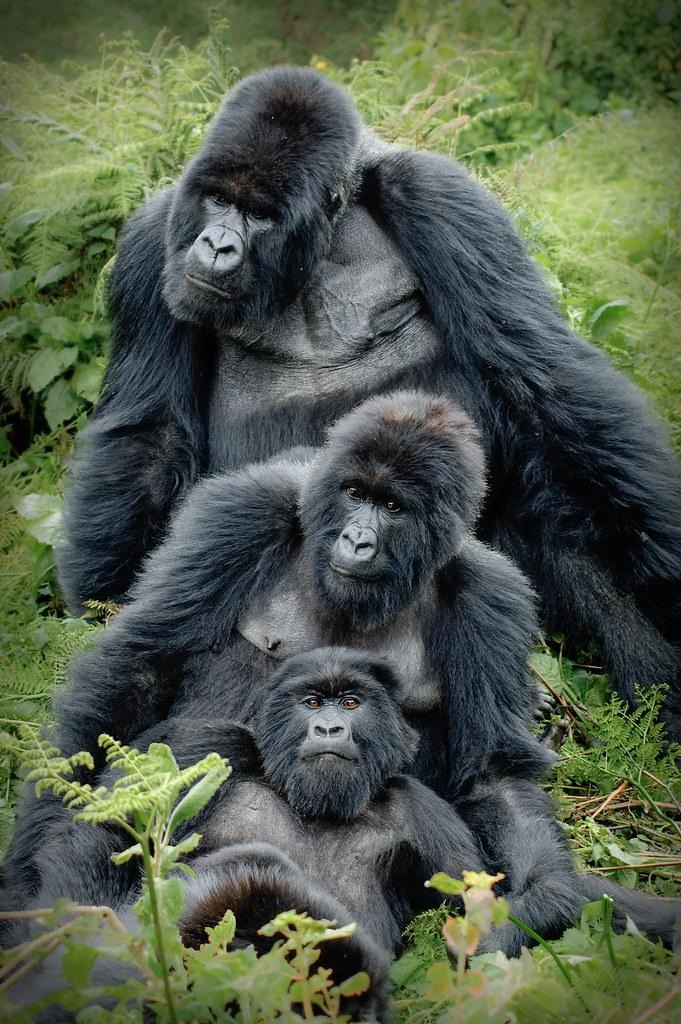
If you are searching for a wildlife experience that goes far beyond a conventional game drive, Gorilla Families in Rwanda offer one of Africa’s most intimate encounters with wildlife. In Volcanoes National Park, visitors enter the misty bamboo and montane forests of the Virunga Mountains to spend carefully regulated time observing mountain gorillas in their natural habitat.


Rather than describing Volcanoes National Park simply as “one of the best parks in Africa” as an objective ranking, it is more accurate to say that its combination of mountain gorilla conservation, habituated gorilla families, dramatic volcanic landscapes, accessibility from Kigali and tightly managed trekking experience makes it a distinctive African wildlife destination for 2026–2027. Rwanda's tourism authorities report that the Virunga Massif population has grown to more than 604 mountain gorillas, while the wider wild population is now above 1,060.
For travellers planning gorilla trekking Rwanda, understanding the families is part of understanding what makes this destination so special.
Why Volcanoes National Park Is Different


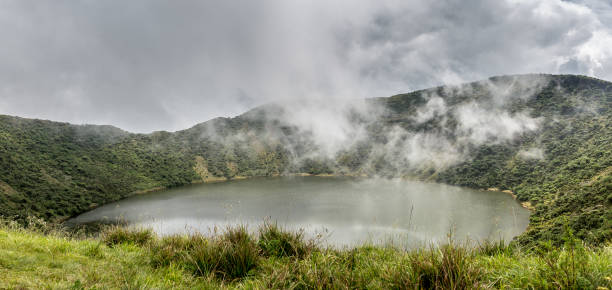
Volcanoes National Park protects the Rwandan portion of the Virunga volcanic massif. The landscape rises dramatically from approximately 2,400 metres to 4,507 metres at Mount Karisimbi and includes Mount Bisoke, Mount Sabinyo, Mount Gahinga and Mount Muhabura. Its habitats include bamboo forest, evergreen forest, open grassland, swamp and high-altitude heath.
This immediately creates a different safari experience from the classic East African savannah.
A traditional safari in places such as the Serengeti or Masai Mara is strongly associated with expansive grasslands, predators, large herbivore herds and the spectacular Great Migration. Volcanoes offers something fundamentally different: you leave the vehicle and enter the forest on foot to search for a particular gorilla family.
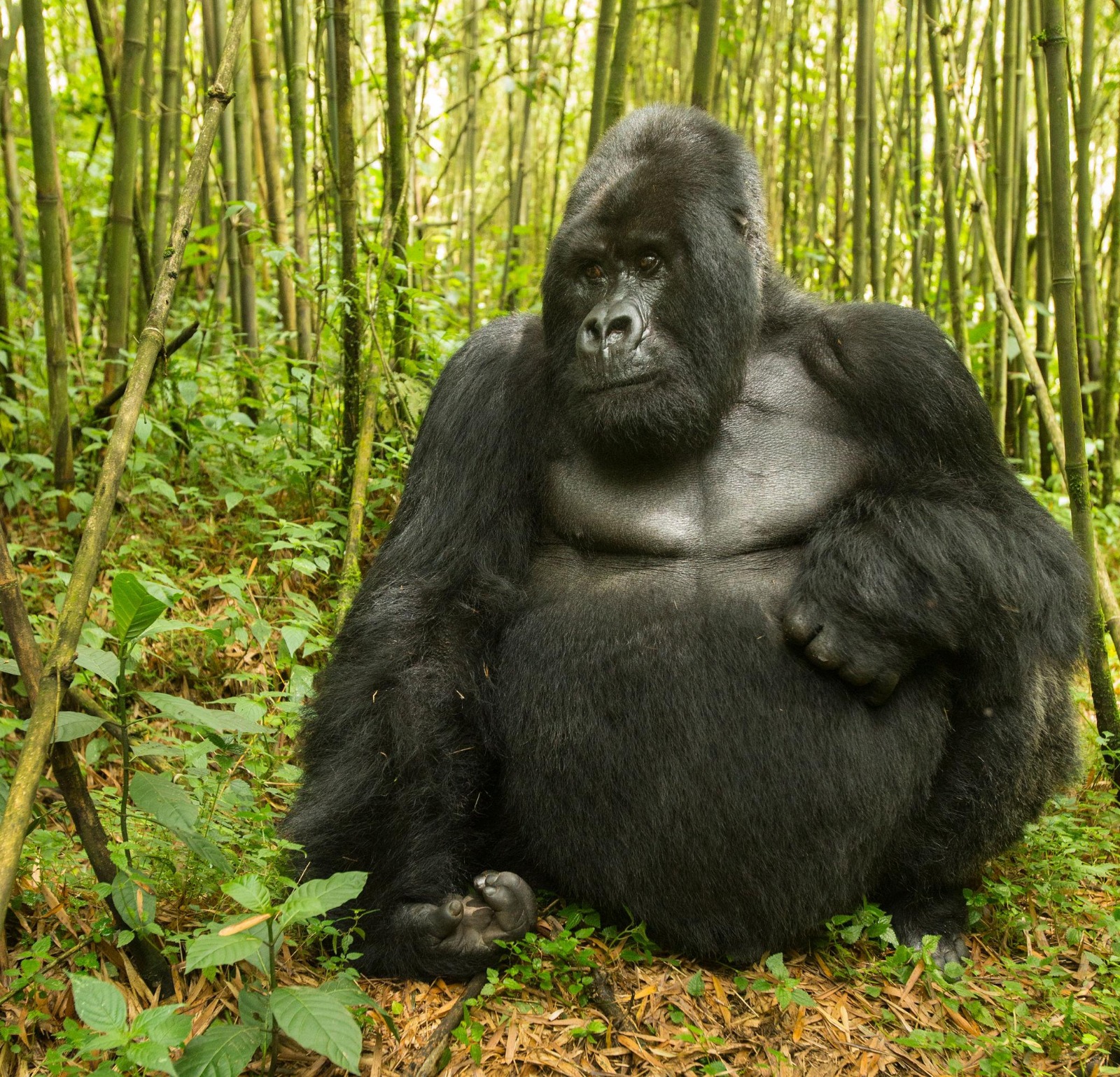
The objective is not simply to see “an animal.” You are entering the social world of a gorilla group—watching silverbacks, mothers, juveniles and infants interact within their forest environment.
That difference is one reason gorilla trekking Rwanda has become such a distinctive wildlife experience.
The History Behind Rwanda's Gorilla Conservation


The protected landscape has roots going back to 1925, when the area was incorporated into what became Albert National Park, one of Africa's earliest national parks established partly to protect mountain gorillas. Decades later, Dian Fossey established the Karisoke Research Center in 1967, creating an important chapter in scientific research and gorilla protection.
The history has not always been easy.
Mountain gorillas have faced habitat pressure, human-wildlife conflict, political instability, disease risks and other threats. Yet decades of cooperation involving rangers, researchers, veterinarians, governments, conservation organisations and surrounding communities have contributed to a remarkable population recovery. Rwanda now describes mountain gorillas as the only great ape species whose wild population is increasing.
This history matters to a traveller because today's gorilla trekking experience is not simply tourism. Every carefully controlled encounter takes place within a much larger conservation system.
Understanding Gorilla Families in Rwanda


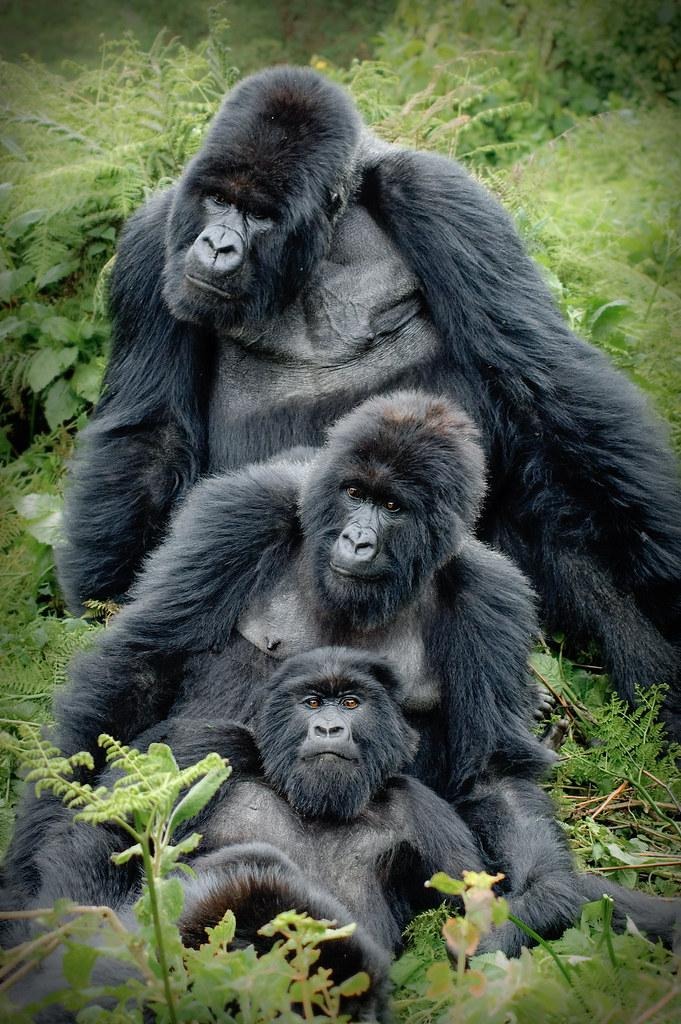
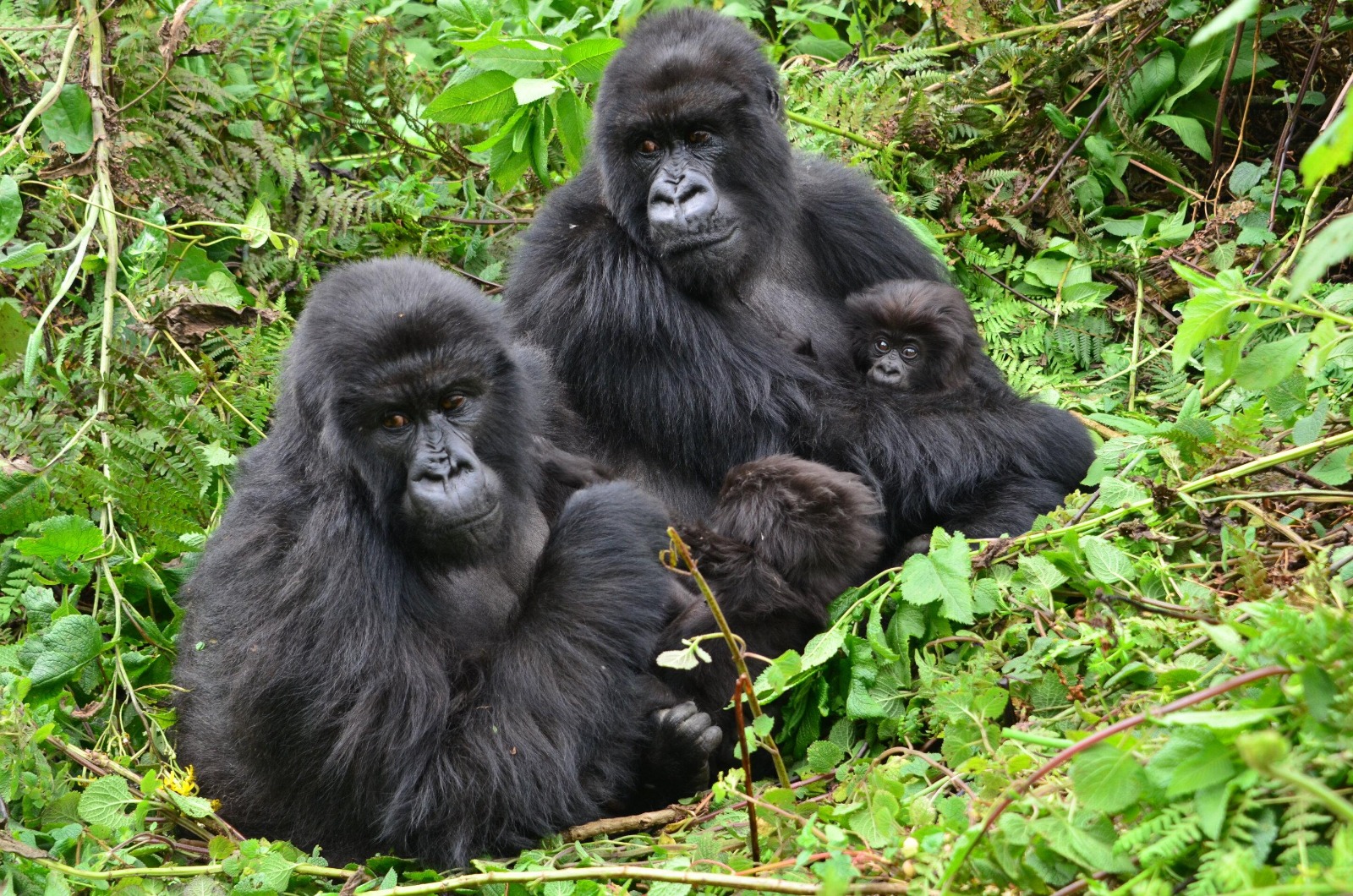
A gorilla family is a social group that normally includes a dominant silverback, females, younger males, juveniles and infants. Groups can change over time as gorillas mature, transfer between groups or establish new families.
Importantly, the family you visit is not normally something you choose like selecting a safari vehicle route. Visitors are allocated to a gorilla group by the park's system, taking factors such as fitness and trekking conditions into consideration.
Current official Visit Rwanda information identifies habituated families including:
- Susa
- Igisha
- Karisimbi
- Sabyinyo
- Amahoro
- Agashya
- Kwitonda
- Umubano
- Hirwa
- Bwenge
- Ugyenda
- Muhoza
The composition and status of families can change, however. Recent Kwita Izina records demonstrate how new babies are continually being born and how families can split or change over time. For example, Rwanda's 2026 ceremony included babies from families such as Muhoza, Izuba, Susa, Pablo, Hirwa, Ntambara, Segasira, Musilikale, Humura, Kwitonda, Izuba and Umubano.
What makes a gorilla family interesting?
Every family has its own social character and history.
A traveller might encounter:
- A powerful silverback protecting and directing the group
- Mothers caring for infants
- Playful juveniles climbing through vegetation
- Young blackbacks learning social behaviour
- Gorillas feeding quietly on leaves and shoots
- Dramatic interactions between members
- A peaceful family resting in the forest
The magic is that you do not know exactly what behaviour you will witness until you arrive.
That unpredictability is part of the experience.
How Gorilla Trekking in Rwanda Is Organized


Gorilla trekking is highly regulated because the animals and their habitat are extremely sensitive.
Visitors report to the park headquarters in Kinigi, generally at around 7:00 a.m., where they receive a briefing and are allocated to trekking groups.
The current rules include:
- Maximum eight visitors per gorilla group
- Maximum one hour with the gorillas
- Maintaining approximately 7 metres of distance where possible
- Keeping voices low
- No littering
- No flash photography
- Visitors with contagious illnesses should not trek
- Gorilla trekking has a minimum age of 15
The trek itself can be short or demanding. Depending on where the allocated family is located, the hike can take considerably longer, with terrain that may be steep, muddy and slippery.
This is why preparation matters.
Gorilla Trekking Rwanda: What Actually Happens?
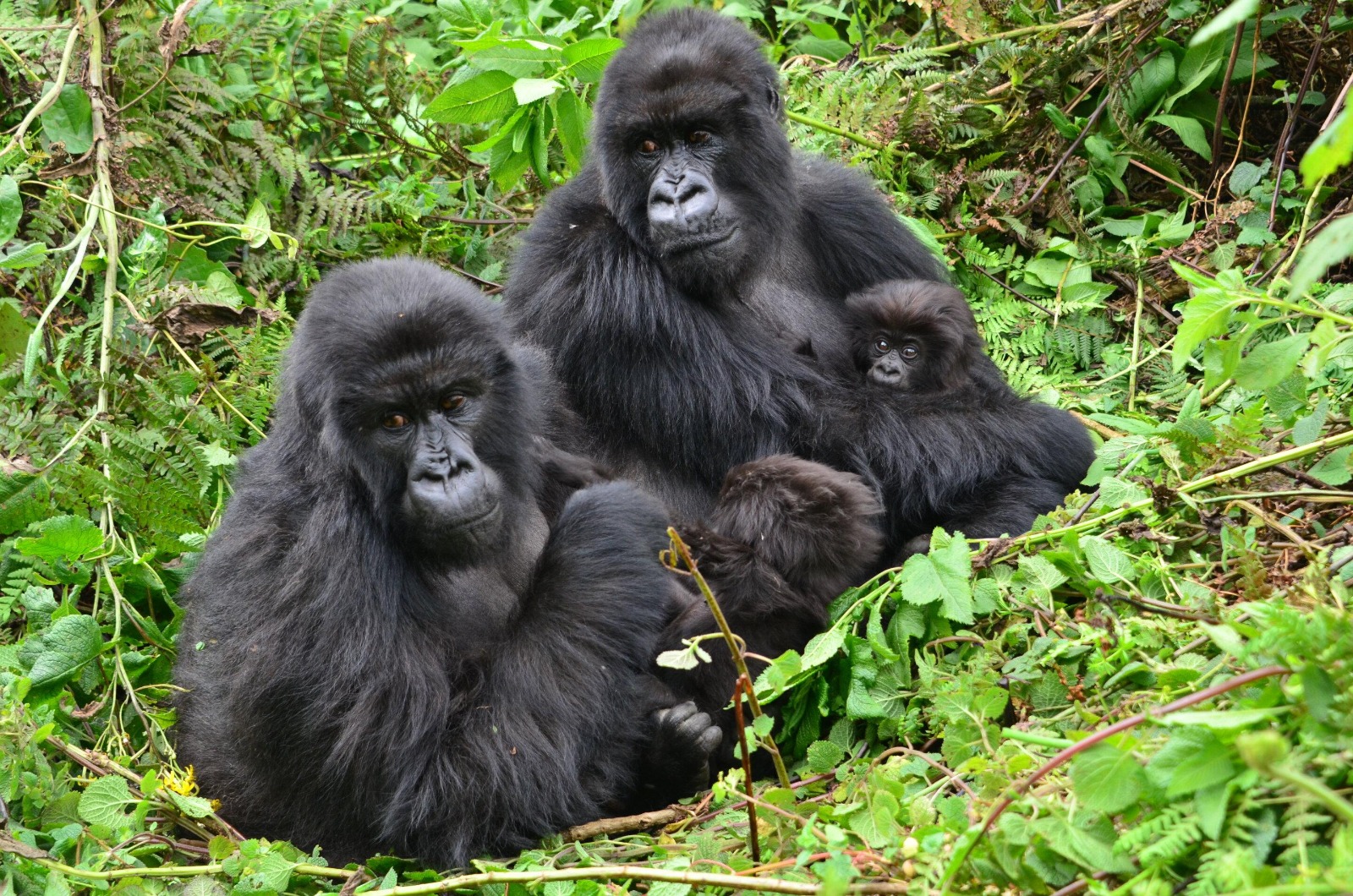
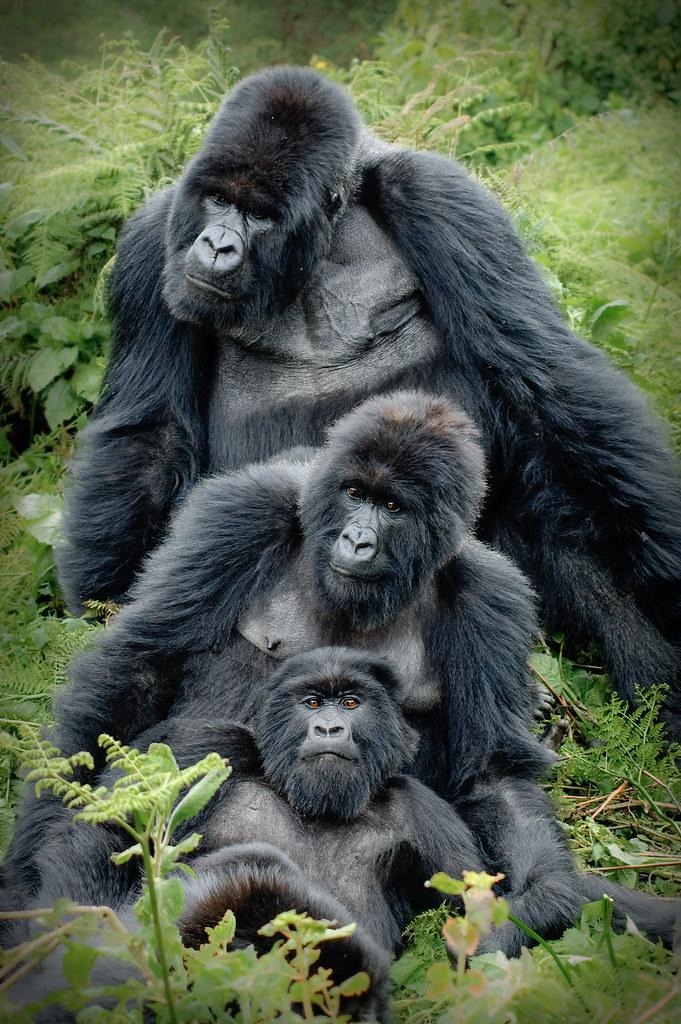
The adventure begins before you see a gorilla.
You walk through farmland and gradually approach the forest. The landscape changes. Bamboo becomes thicker. The air becomes cooler. Your guide communicates with trackers who have been monitoring the gorilla families.
Then suddenly, the forest feels different.
You may see movement through leaves.
A juvenile appears.
Then a mother.
And eventually a massive silverback looks toward your group.
For the next hour, you are not watching a performance. You are observing a wild family living its ordinary life.
Why Rwanda's Gorilla Conservation Story Is So Important


Rwanda's conservation strategy increasingly connects wildlife protection with communities and habitat restoration.
The current Volcanoes National Park restoration programme aims to expand protected habitat by approximately 23%, adding 37.4 square kilometres, while also establishing a larger buffer zone and supporting community development.
Tourism contributes to this conservation model. Rwanda states that revenue from gorilla permits supports conservation and communities around the park.
The annual Kwita Izina ceremony is another visible expression of this conservation culture. Since its creation in 2005, baby mountain gorillas have been named as a way of recognising individual animals, celebrating conservation and bringing international attention to the species.
What Can You Do in Volcanoes National Park Besides Gorilla Trekking?


Volcanoes National Park is much more than gorilla trekking.
1. Golden Monkey Trekking
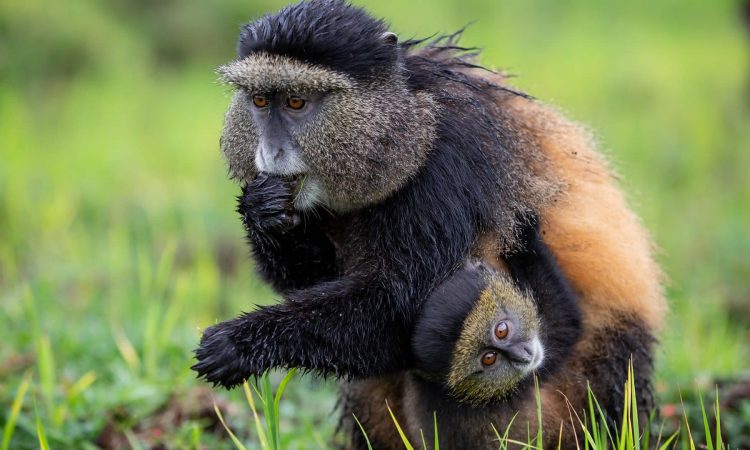
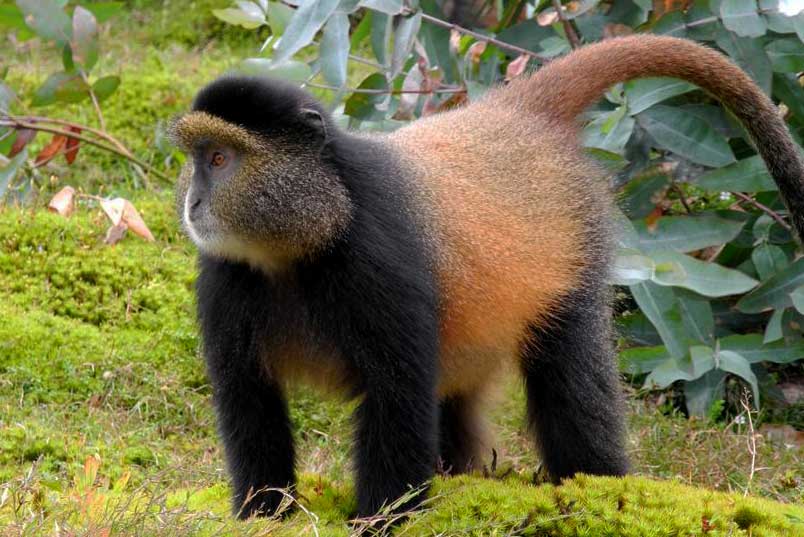
Golden monkey trekking provides another exceptional primate encounter.
These endangered primates live in the bamboo forests of the Virunga Mountains. Visit Rwanda identifies two trackable groups in Volcanoes National Park, including groups associated with Mount Karisimbi and Mount Sabinyo.
Unlike gorillas, golden monkeys are highly active.
Expect:
- Jumping between bamboo branches
- Rapid movement
- Playful social behaviour
- Photographic opportunities
- Beautiful mountain scenery
2. Hike the Virunga Volcanoes
The mountains themselves are part of the attraction.
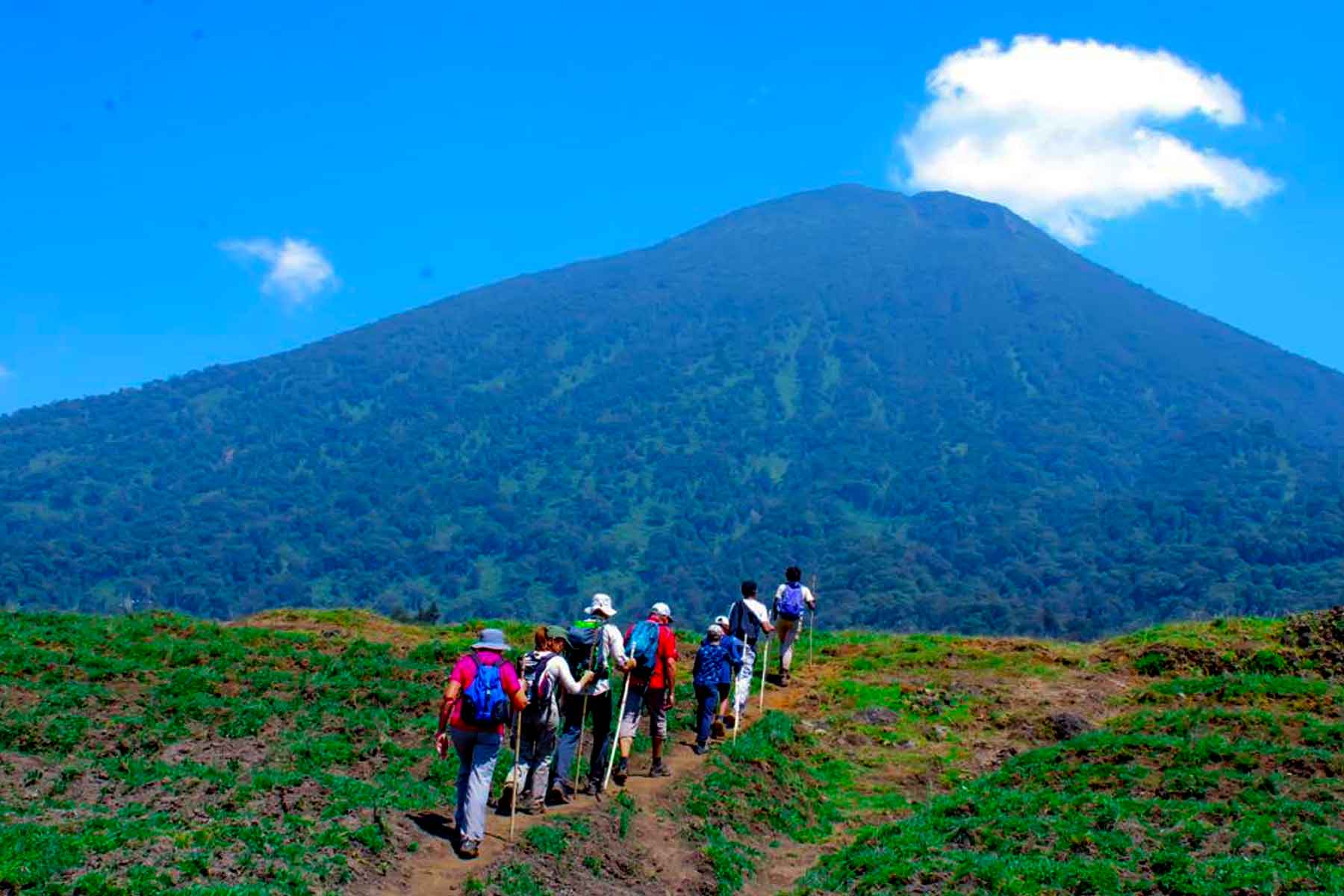
Depending on the route and your fitness, hiking opportunities include:
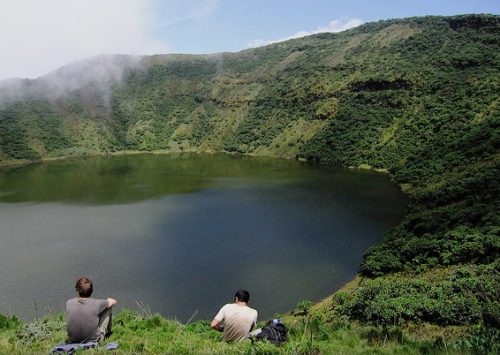
- Mount Bisoke
- Mount Karisimbi
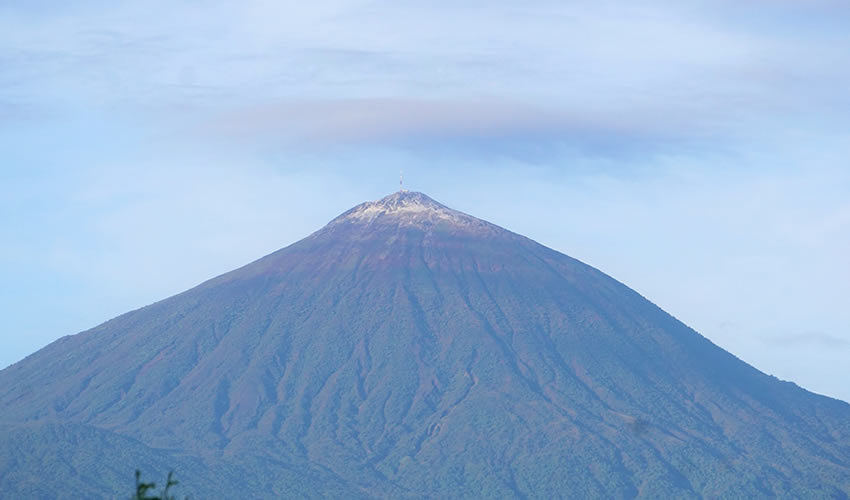
- Mount Muhabura
- Mount Gahinga
- Mount Sabinyo
- Lake Ngezi
The Lake Ngezi hike is described by Visit Rwanda as a relatively accessible hike of approximately three hours, taking visitors into a volcanic landscape beneath Mount Bisoke.
3. Visit the Dian Fossey Gorilla Fund Campus
Travellers interested in the history and science of gorilla conservation can learn more about Dian Fossey's legacy and modern conservation work through the nearby Ellen DeGeneres Campus of the Dian Fossey Gorilla Fund.
4. Explore Musanze Caves
The Musanze Caves provide another geological experience around Volcanoes National Park. Visit Rwanda describes them as caves formed approximately 62 million years ago following ancient volcanic activity.
5. Discover Buhanga Eco-Park and Local Experiences
Buhanga Eco-Park offers an opportunity to explore an ancient forest associated with Rwandan folklore, while village and cultural experiences can add a human dimension to your visit.
Volcanoes National Park vs Akagera, Serengeti and Masai Mara
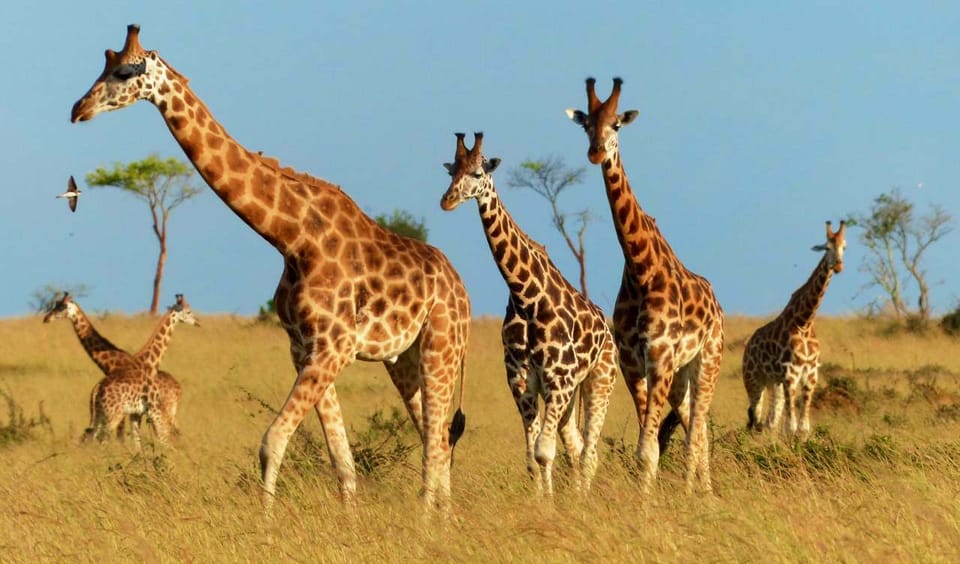

These destinations should not be treated as identical safari products.
Volcanoes National Park
Primary experience: Mountain gorilla and golden monkey trekking
Landscape: Montane forest and volcanic mountains
Signature wildlife: Mountain gorillas and golden monkeys
Safari style: Guided walking experience
Akagera National Park
Primary experience: Savannah wildlife safari
Landscape: Plains, woodland, wetlands and lakes
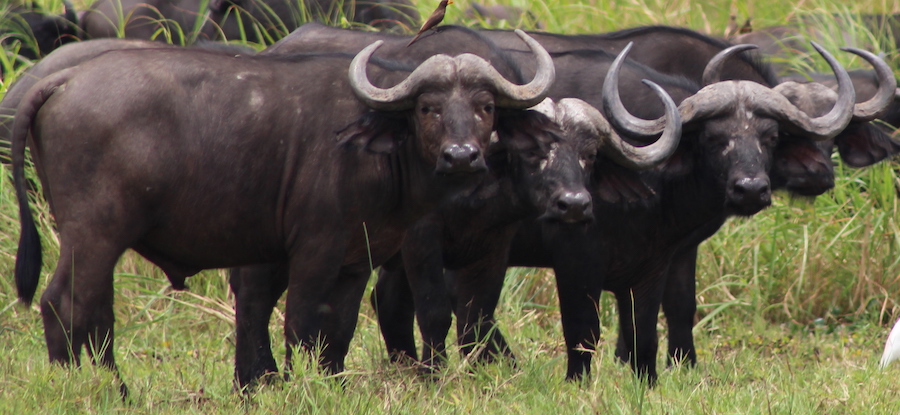
Signature wildlife: Big Five and diverse savannah wildlife
Safari style: Game drives and boat safaris
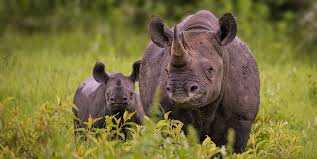
Akagera is managed through a partnership between Rwanda Development Board and African Parks, and has undergone major wildlife restoration, including the return of lions and black rhinoceros.
Serengeti and Masai Mara
Their defining spectacle is the enormous Great Migration, with huge movements of wildebeest and other grazing animals across the ecosystem.
Volcanoes does not compete with that spectacle.
It offers something different.
Instead of sitting in a safari vehicle waiting for a herd to cross an open plain, you hike into a mountain forest and spend controlled time observing an individual gorilla family.
For travellers with enough time, combining Akagera + Volcanoes can therefore create a more varied Rwanda safari: Big Five wildlife on the savannah followed by mountain gorillas in the forest.
Game-Drive Strategy in Rwanda: Why Akagera Complements Volcanoes
A well-designed Rwanda safari should match the activity to the ecosystem.
In Akagera, game-drive strategy focuses on searching different habitats and using early morning and late afternoon periods when many animals are active. A boat cruise on Lake Ihema can add a different wildlife perspective.
In Volcanoes, there is no conventional Big Five game-drive strategy.
The strategy becomes:
family allocation → briefing → forest trek → tracker communication → gorilla encounter → conservation-compliant observation.
This is why combining Rwanda's parks can be more informative than trying to make one park imitate another.
Can You Visit Volcanoes National Park in One Day From Kigali?
Yes — But It Requires Careful Planning
A one-day gorilla safari from Kigali is possible, but it is an intense day and must be organized around the early-morning park reporting time.
Official Rwanda information places the drive from Kigali to the Volcanoes region at roughly several hours, while the gorilla briefing begins early in Kinigi.
One-Day Gorilla Safari From Kigali — Suggested Itinerary
03:00–03:30 — Pick-up in Kigali
Depart with your professional guide and private 4x4.
03:30–06:30 — Kigali to Volcanoes National Park
Travel north through Rwanda's changing landscapes toward Musanze and Kinigi.
06:30–07:00 — Arrive in Kinigi
Registration, preparation and breakfast/snack if arranged.
07:00 — Gorilla trekking briefing
Meet the guides and receive your gorilla family allocation and conservation briefing.
07:30 onward — Enter the forest
Begin tracking your allocated gorilla family.
Morning — Gorilla encounter
Spend the regulated viewing period with the family once found.
Late morning/early afternoon — Exit the forest
Return from the trek and have lunch.
Afternoon — Drive back to Kigali
Continue your scenic journey south.
Evening — Arrival in Kigali
Important
This itinerary should be treated as a physically demanding option, not a relaxed day trip. Traffic, weather, trekking distance and the location of the allocated gorilla family can affect timing.
For travellers arriving in Rwanda for the first time, spending a night near Volcanoes National Park is generally a more comfortable way to prepare for the trek.
Two-Day Gorilla Trekking Tour in Volcanoes National Park From Kigali


Day 1 — Kigali → Volcanoes National Park
07:00 — Pick-up from Kigali
Meet your Seek Wild Africa guide and begin the journey north.
07:00–10:00 — Scenic drive to Musanze/Kinigi
Travel through Rwanda's famous hills and countryside.
10:00–12:00 — Arrive in the Volcanoes region
Check into your selected lodge.
12:30 — Lunch
Relax after the journey.
14:30 — Choose an afternoon experience
Depending on your package and time, options can include:
- Local cultural experience
- Iby'Iwacu/community experience
- Dian Fossey-related conservation experience
- Musanze area exploration
- Volcano views and photography
17:30 — Return to lodge
Prepare clothing and equipment for tomorrow.
19:00 — Dinner and overnight
Day 2 — Gorilla Trekking in Volcanoes National Park
05:30–06:00 — Wake up
Have an early breakfast.
06:30 — Transfer to Kinigi headquarters
Your guide ensures you arrive on time for registration.
07:00 — Briefing and gorilla family allocation
The park allocates visitors to trekking groups.
07:30–08:00 — Start trekking
Enter the forest with your guide, trackers and optional porter.
Morning — Search for your gorilla family
The duration varies according to where the group is located.
Gorilla encounter — up to one hour
Observe the family while following the required conservation rules.
Late morning/early afternoon — Return
Walk back from the forest.
13:00–14:00 — Lunch
Relax and celebrate the experience.
15:00 — Begin return to Kigali
18:00 approximately — Arrive in Kigali
The exact timing can change because gorillas are wild animals and their movements cannot be scheduled like a normal attraction. Official information notes that tracking time varies according to the family's location.
Add Golden Monkeys to Your Rwanda Gorilla Safari
If your schedule allows an additional morning, consider extending the trip.
A gorilla + golden monkey safari lets you experience two of the most distinctive primates associated with the Virunga Mountains.
A practical structure is:
Day 1: Kigali → Volcanoes National Park
Day 2: Gorilla trekking
Day 3: Golden monkey trekking → Kigali
This mirrors the type of three-day gorilla-and-golden-monkey itinerary presented by Visit Rwanda.
Where to Stay: Lodges Around Volcanoes National Park


One advantage of the Volcanoes region is that travellers can choose from different accommodation levels.
Luxury
Bisate Lodge — an exceptional luxury lodge with only a small number of ensuite rooms and strong architectural integration with the surrounding landscape.
Singita Kwitonda Lodge — luxury accommodation close to the park boundary, with suites designed around the volcanic landscape.
Sabyinyo Silverback Lodge — a luxury property near park headquarters, with cottages, gardens and mountain views.
Virunga Lodge — known for its hilltop setting and views across the volcanoes and lakes.
Classic / Mid-Range
Five Volcanoes Boutique Hotel — a contemporary option close to the gorilla trekking starting area.
Tiloreza Volcanoes Ecolodge — an ecolodge near Kinigi/Musanze with different room categories and a relaxed setting.
These properties and their classifications are listed by Visit Rwanda's accommodation information.
The right lodge depends on your budget, preferred level of comfort, proximity to the trekking headquarters and whether you want a romantic, family, boutique or luxury experience.
What Makes the Gorilla Experience So Unique?


The uniqueness of gorilla trekking Rwanda comes from the combination of several elements:
You walk into their habitat
You do not wait for the gorillas to appear beside a safari vehicle.
You meet a known family
The experience centres around a social group whose members are individually monitored.
The encounter is intimate but controlled
Only a limited number of visitors are allowed, and viewing time is restricted.
The landscape is extraordinary
The Virunga volcanoes rise dramatically behind the forest.
The experience supports conservation
Tourism revenue contributes to conservation and surrounding communities.
The story continues
New babies are born, families change, new groups emerge and conservation programmes continue evolving.
You are therefore not simply visiting a static attraction.
You are witnessing an ongoing conservation story.
What to Bring for Gorilla Trekking in Rwanda


Prepare for wet, muddy and steep mountain conditions.
Essential items
- Strong hiking boots
- Long trousers
- Long-sleeved shirt
- Lightweight waterproof jacket
- Gaiters
- Gardening or hiking gloves
- Small backpack
- Camera
- Extra batteries/power bank
- Binoculars
- Sunscreen
- Insect repellent
- Personal medication
- Snacks
- Reusable water bottle
Rwanda's official gorilla-tracking guidance specifically recommends bringing a water bottle and notes that eating and drinking near the gorillas are prohibited.
Avoid single-use plastic
Rwanda has a strong national environmental policy, including its well-established restrictions on plastic bags, and tourism operators increasingly work toward reducing single-use plastic.
For your safari, the practical choice is to carry a durable reusable bottle, preferably a stainless-steel or BPA-free reusable bottle, rather than relying on disposable single-use plastic water bottles.
For larger safari days, carrying two reusable 1-litre bottles is a practical approach; a Visit Rwanda itinerary has also advised travellers to bring two reusable 1-litre bottles where drinking water is supplied without single-use plastic bottles.
Most importantly: leave no waste in the forest.
How Seek Wild Africa Helps You Experience Volcanoes National Park


At Seek Wild Africa, we understand that planning a gorilla trekking Rwanda experience involves much more than purchasing a permit.
We help travellers organize the journey around the experience they actually want.
We can help organize:
- Gorilla trekking permits
- Gorilla family trekking arrangements
- Golden monkey trekking
- Private 4x4 transportation
- Professional safari guides
- Kigali airport transfers
- Accommodation around Volcanoes National Park
- One-day gorilla safari arrangements
- Two-day gorilla trekking tours from Kigali
- Gorilla + golden monkey combinations
- Volcano hiking
- Cultural experiences
- Rwanda-wide safari circuits
- Akagera Big Five safaris
- Nyungwe chimpanzee trekking
- Lake Kivu experiences
- Kigali city tours
- Multi-day Rwanda safari packages
Our role is to bring these pieces together so travellers can concentrate on the experience rather than the logistics.
Why Choose a Gorilla Safari in Rwanda for 2026–2027?
The answer is not simply because Rwanda has gorillas.
You can begin your journey in Kigali, travel through Rwanda's green hills, reach the volcanic highlands of Musanze, sleep beneath the Virunga Mountains and then enter the forest to search for a gorilla family.
You may encounter a silverback.
You may watch a mother with her infant.
You may see juveniles playing.
You may hear the forest before you see the animals.
And when the trek ends, the experience does not have to end.
You can climb a volcano, track golden monkeys, explore caves, discover local culture or combine Volcanoes with Akagera's Big Five and Nyungwe's chimpanzees and rainforest adventures.
That combination is what makes Rwanda particularly compelling for travellers planning a 2026–2027 African wildlife adventure.
Final Travel Advice: Make Your Gorilla Journey More Than a Trek
A gorilla permit gives you access to a remarkable encounter, but the destination offers much more than the hour spent with the gorillas.
Plan your journey around the wider story:
Kigali → Volcanoes → Gorilla Families → Golden Monkeys → Volcanoes & Culture → Akagera or Nyungwe → Lake Kivu
With Seek Wild Africa, travellers can turn a single gorilla trekking experience into a carefully organized Rwanda safari designed around their time, interests, accommodation preferences and budget.
The forest is waiting. The volcanoes are rising above the clouds. And somewhere inside the bamboo-covered slopes, a gorilla family is continuing its daily life.
Your adventure begins when you step into their world.